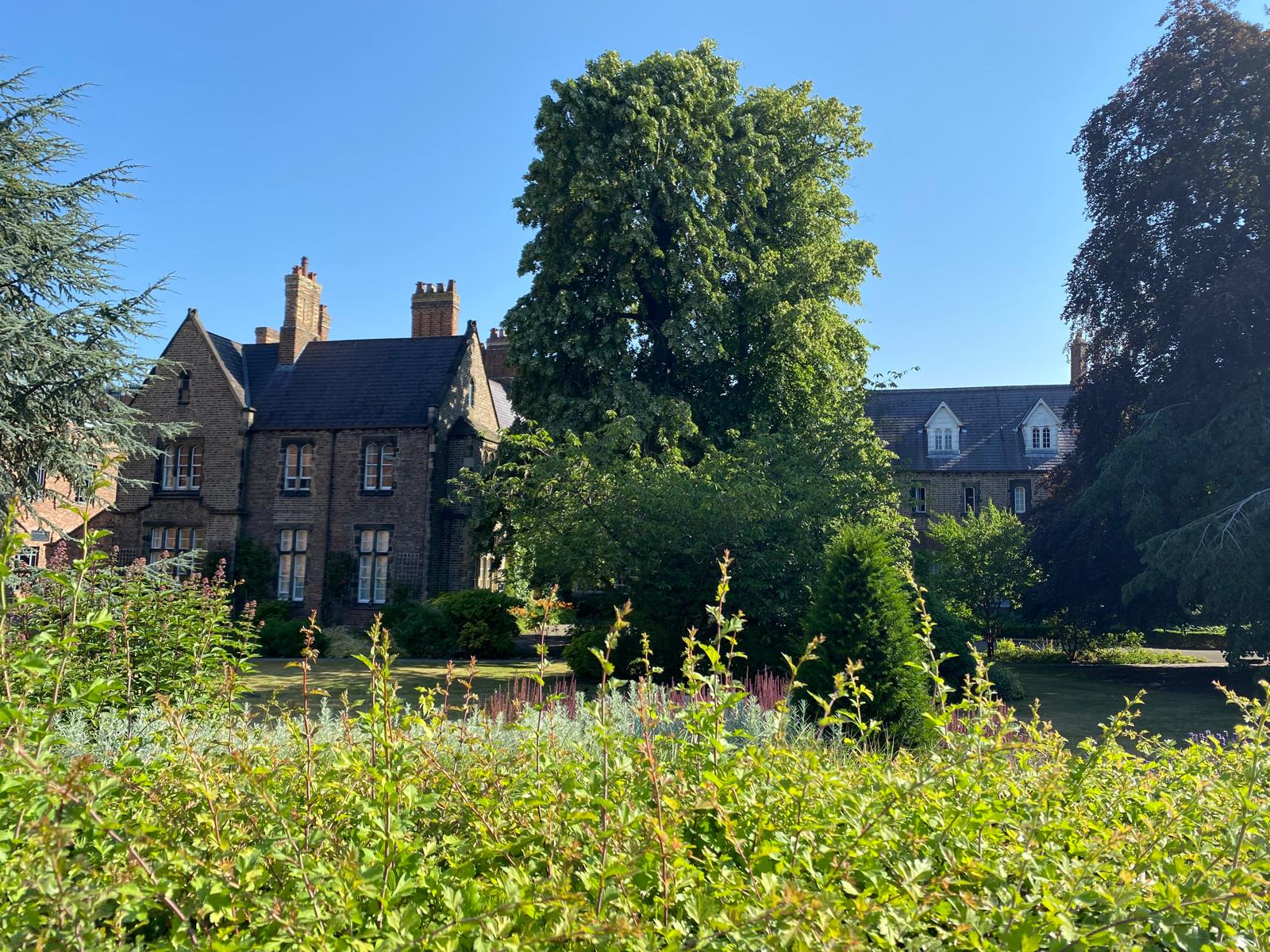
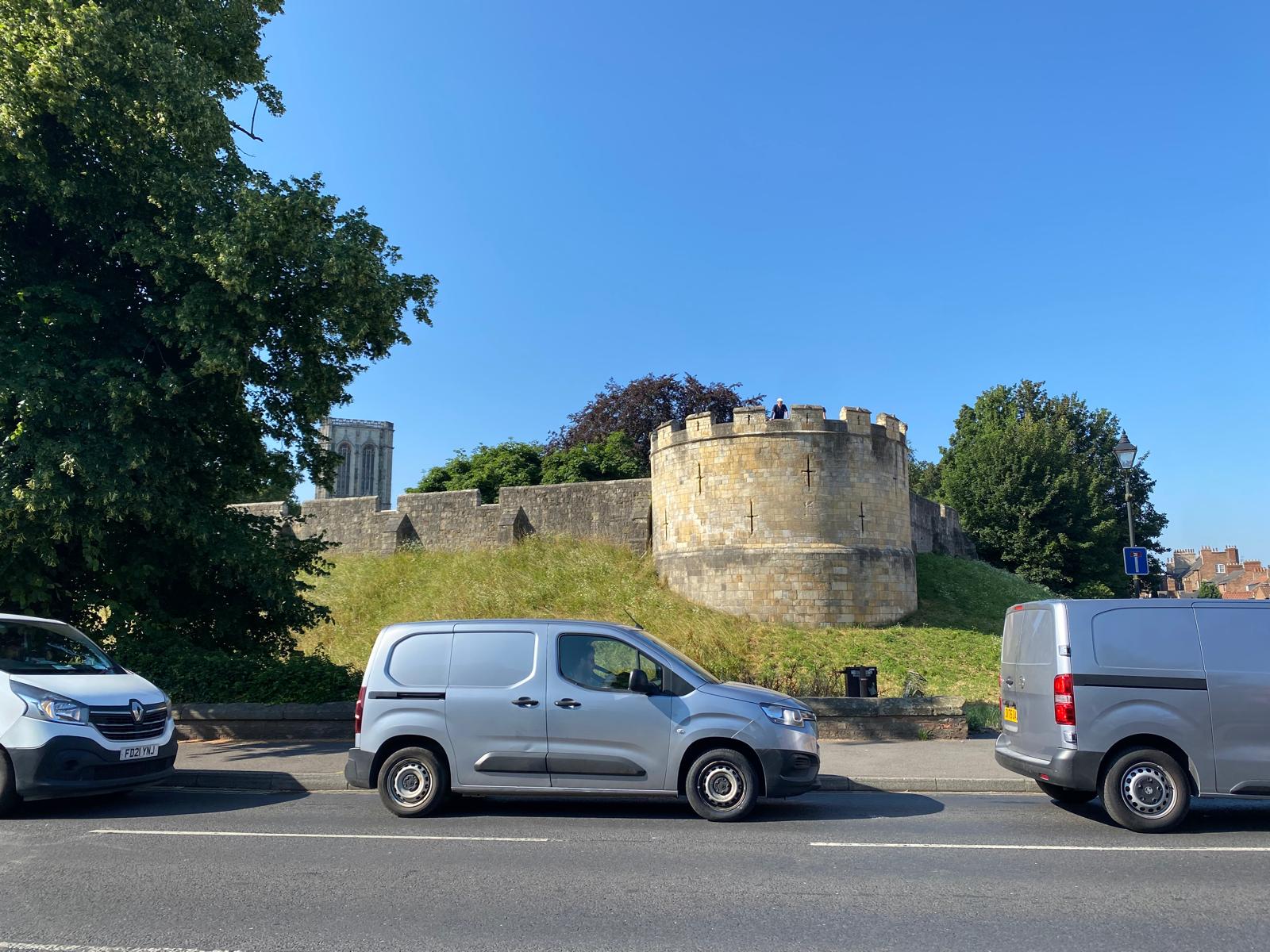
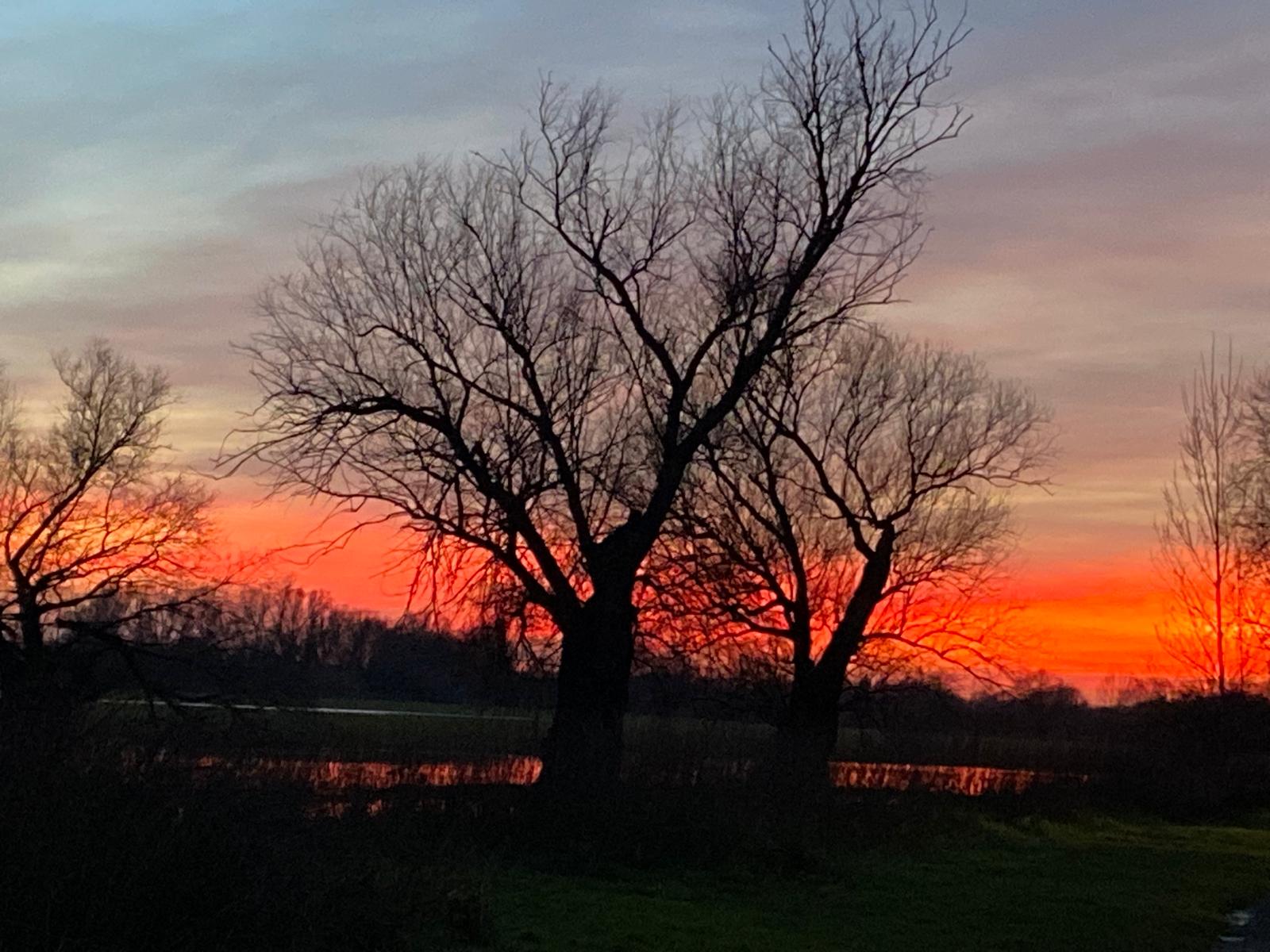
I’m back in York for a day’s writing retreat at which I’m finishing loads of almost-completed flash fiction drafts. The two photos above were either side of the road on my 20 min walk/commute this morning. It was a glorious start to the day, though it’s mad hot in York now (no worries though as there’s aircon where I am). But what a gorgeous commute. York St John Quad to the left of me, Roman city walls to the right and (to re-jig Stealer’s Wheel’s lyrics), me stuck in the middle.
Anyhoo the flash I was banging on about at the end of last week’s post is now published. I didn’t win the comp but it has been beautifully produced in WestWord. Here it is, in case anyone fancies a read. (1) The Slaking of Sorrow – WestWord
As readers of my last blog might remember I’ve been writing a Flash Manifesto (womanifesto? proclamation? pronouncement?) Nah manifesto will have to do. I’ve been doing this because I’m doing a PhD by Creative Practice which involves writing a novella-in-flash and critical commentary about the use of space, statis and the blank page. But how can I describe what space is doing in and in between my flash fictions, (as well as what novella-in-flash is), if I can’t clearly state what flash fiction is in the first place?
Everyday definitions differ a lot despite the fact that flash is increasingly popular with writers, is taught at many unis as part of undergrad creative writing degrees and is offered by bazillions of writer’s workshops to fee-paying customers. And there are flash competitions galore to enter that charge for the privilege, so if money is changing hands in the world of flash, then surely there should be some sort of agreed starting point as to what it formally is. And by this I don’t mean rules, I mean a shared agreement about what it is to avoid misunderstanding and bad advice.
To illustrate this lack of clarity I did some internet searching using my default search engine set to AI mode. This Co-pilot AI bot which after all scans the infinite sea that is the world wide web, stealing from everything written about the topic then condensing it down into a few sentences should be able to provide a general overview that’s real, I thought. This is what is said when I asked it what is flash fiction? ‘Flash fiction is a very short, self-contained story that delivers a complete narrative in under 1,500 words, often focusing on a single moment, character, or idea. Despite its compact size, it retains all the essential elements of a traditional story: a plot, conflict, and a satisfying shift or twist.’ Well that’s a strong disagree from me.
Google in AI mode says, ‘Flash fiction is a style of extreme brevity, usually defined as stories under 1,000 words, and sometimes as short as a single sentence‘.
Flash Fiction is not even listed in the OED or Miriam Webster online dictionaries. Dictionary.com says, ‘Flash fictions are very short works of fiction that are typically no longer than a couple of pages and may be as short as one paragraph.’ The free dictionary by Farlex says ‘flash is a genre of fiction in which stories are characterized by extreme brevity.’
Wikipedia says (bless it’s cotton socks), ‘Flash fiction is a brief fictional narrative that still offers character and plot development. Some commentators have suggested that flash fiction possesses a unique literary quality in its ability to hint at or imply a larger story. Varieties are sometimes defined by word count, including the six-word story, the 280-character story (“twitterature“), the “dribble” (also known as the “minisaga“, 50 words), and the “drabble” (also known as “microfiction”, 100 words).
Not a right lot of agreement then, even as to size, and the Wiki description is the only one that hints flash might have qualitative characteristics, and may include more than one form of brief story. All this general lack of clarity and agreement is one of the reasons I decided to do this manifesto (well that and the suggestion made by one of my supervisors) and I have arrived at it by researching: online journals, comps, practitioner guides with scholarly intros; reading what few and far between scholarly discussions I can find in literary peer-reviewed journals; using my own 10 years worth of experience writing more than 300 published pieces of flash in many shapes and sizes, and seeing what other practitioners think.
To get numerical limits sorted first, I researched flash comps to see what they ask for in their submission criteria, and many ask for entries way over 1000 words, some even as much as 2000 and most offer no direction other than wordcount. I also looked at e-zines and story print magazines that ask for submissions of flash, and though most ask for stories below 1000 words, quite a few ask for stories (which they call flash) of up to 1500 words. I found one asking for flashes up to 2000 words. I have therefore decided to go with what Smokelong Quarterly, Stories Archive – SmokeLong Quarterly, and Bath Flash Fiction Award, Bath Flash Fiction Award | International Rolling Flash Fiction Competition say. These two platforms, the first a respected flash magazine and the second a respected competition, also offer flash information, training, workshops, craft advice, interviews with flash authors and many examples of flash of all shapes, sizes and lengths. Both are trusted, prestigious and expert, and both present flash as being stories of 1000 words and under. Also, to my mind, narratives above 1000 words feel too much in the vicinity of short story form to truly be flash fiction. That’s not to say there can’t be flash-like short stories just as there can be short story-esque flash fictions, but the cut off point of 1000 words feels right to me, and this is my flash manifesto – so there it is!
But what is the cut-off point in the other direction? How short can a flash get and still have narrative movement or at the very least imply a context in which narrative movement might happen? Well I reckon it’s six words. You can defo get, or imply narrative movement in 6 words. Here are some of my comp winning 6 word stories to show this.
‘New heart, new lungs, same addiction’, ‘Broken heart seeks builder for reconstruction, ‘One marriage, two relationships, three kids’.
I haven’t been able to do this in five words or less, and haven’t found any flashes on-line on in print that have five or less words. That’s wordcount sorted then. Flash fictions, are stories between 6 and 1000 words which tell a story that either has narrative movement or suggest a context in which narrative movement might happen. But what about the much more difficult to pin down and under-described qualitative characteristics of flash fiction?
Older expert, how-to guides don’t help much. The intro to My Very End of the Universe – five novellas-in-flash and a study of the form, says ‘Flash is characterised by, ‘Compression, immediacy and tension…the concision of poetry with the narrative tools of fiction,’ (Beckel and Rooney, 2028, E-reader location 120 of 2025). I can agree with most of that except for the immediacy thing because flash fictions, especially longer ones can span narrative eons, but even if I agreed with the whole statement, there’s much, much more to say. The Rose Metal Press Field Guide to Writing Flash Fiction (2009), published when the term ‘flash’ was not yet the default name for short-short fictions, seems to hold the notion that to try to define flash would somehow constrain and reduce it. The editor says in her introduction entitled, In pursuit of the short, short story. “‘Each drop encases its own separate note, the way each drop engulfs its own blue pearl of light.’ This description of rain, from Stuart Dybek’s story ‘Nighthawks’ is as close to a definition of flash fiction as I can personally offer. A successful flash enchants us, each small story successfully rendered, engulfing us for a brief moment – in a ‘flash’…in its own brand of light or truth. And the effects linger on, sometimes for decades. To offer a more complete, hard-edged definition is virtually impossible. In the end, a flash is just a story in miniature, a work of art carved on a grain of rice.” (Masih, 2008, pp. X1).
Randal Brown says in A Pocket Guide to Flash Fiction, ‘There’s no agreed-upon definition, except perhaps the idea that its very short,’ (Brown, 2012 pp1). Jane Roberts writing in Wales Arts Review in 2015 says ‘…it is futile to attempt to define the exact universal boundaries of flash; these are wide-ranging.’
Expert (and wonderfully talented) practitioners also seem to feel the struggle defining flash characteristics. Tanya Hershman writing in answer to the question, ‘What is flash fiction?’ in Litro Magazine said, ‘Well, I don’t know. Really. I write flash fiction. I read flash fiction. But I can’t say definitively what it is.’ Luisa Valenzuela says, ‘I usually compare a novel to a mammal…the short story to a bird or fish; the micro-story to an insect (iridescent in the best cases).’ Lyrical analogies like this are useful as they give a flavour of the effects of flash on the reader, but, I want to understand and describe the techniques, the nuts and bolts that give rise to these effects. I prefer Ben Myers description, at least as far as micro flash fictions are concerned, ‘A successful flash fiction is a seed, planted in the readers imagination, which once there should grow and flourish.’
A more recent, scholarly article published in January 2024 in New Writing Journal by Shelley Roche-Jacques says this, ‘The idea of flash fiction as a story in miniature is aesthetically pleasing and simple, but it does not quite get to the heart of the form. It is not the case, as Masih’s image suggests, that all the elements of the story exist on the page, shrunk down. I would suggest that different techniques and approaches are used in flash fiction – and that this necessary ‘drive for innovation’ is part of the form’s growing appeal.’
I totally agree with this. Innovation is a key driver in my own flash fiction and lots of flash I love. Maybe this is why that, as a form, it seems to defy definition because it’s always morphing, always pushing boundaries and doing the opposite of what it did last week – thus making pinning down flash fiction’s formal paradigms a very tricky business indeed.
In the context of all this shifting difficulty then, here is my first draft flash manifesto (silent trumpet fanfare/ quiet drumroll. I’m in the graduate research centre at York St John typing this so I need to be a wee bit quiet). As I said previously this manifesto has its roots in my practical experience of writing flashes of all lengths from 6-1000 words and from reading the books mentioned above, but also from reading shed loads of other flash fictions, from entering (and sometimes winning) loads of competitions, and also from perspectives offered in Nancy Stohlman’s, engaging book Going Short: An Invitation to Flash Fiction and Michael Loveday’s practitioner’s guide, Unlocking the Novella-in-Flash.
This manifesto is a starting point not a definitive answer and it will, I expect, grow and morph as my flash research progresses. To extend Dan Myers metaphor, it is more seed than sapling and more sapling than mature plant.
Jan’s First-Draft Flash Manifesto
1.Flash Fiction is an umbrella term for often formally different fictions of between 6-1000 words that are nearly always experimental in some way in terms of language, poetics, plot construction, on-the-page presentation, genre or character development.
2.Longer flash fictions between 500-1000 words are structurally often short, short stories that either conform to or experiment with Freytag’s pyramid and therefore have: initial exposition, rising action, climax, falling action and a denouement/resolution. As flash is inherently experimental this form may be treated in unusual and unexpected ways but narrative movement is defo part of the mix.
3.Briefer flash fictions below 500 words start to move away from short-story form the shorter they become, building character, plot and narrative momentum using techniques like: subtext; implication; controlled omission; compression; linguistic precision; figures of speech; resonant endings; formal experimentation; titles that reframe and morph; manipulation of white space, pause and stasis; use of charged signifiers and associations that rely on assumed cultural knowledge/ tropes/ memes and symbols; manipulation of implied addressees; use of context to give back story about the nature/ genre of a flash so readers are pre-primed to disseminate particular narrative clues; distinct flash-esque temporal tendencies like writing in the 1st person present tense so the narrator lives the narrative as the reader reads it; linguistic foregrounding so euphonics as well as how words sit on the page are ‘heard’ and ‘seen’ by readers who don’t so much fall into narratives as knowingly process them and in so-doing become bespoke interpreters; placing readers in active, super-engaged headspaces so they become dynamic participants in the storytelling
4. Mid-sized to micro flashes seem to lend themselves to presenting stories in innovative and untraditional ways such as making them lists, instructions, recipes, crime reports, flow charts (the list is seemingly endless and continually extending) a technique recently described as hermit crab flash writing (because hermit crabs borrow their shells.) But this is a term I dislike. As a practitioner of this sort of flash since before the term exited I dislike it because it implies the shape, form and on-the-page presence of these flashes comes second to their creation but, for me, this was not the case. My hermit crab flash fictions, came from the shape – were influenced by the constraints presented by the shape. That is to say, I didn’t fit the flash into the shape, the shape gave birth to the flash.
5.Micro fictions (for me) are flash fictions of 400 words and under, which rely heavily on the above techniques especially subtext and shared cultural knowledge the use of which leaves writers able to leave so much unsaid and readers to become more dynamic in the story-telling.
6.Drabbles are flash micros of exactly 100 words which rely more heavily on the above techniques
7.Dribbles are flash micros of exactly 50 words which rely more heavily still on the above techniques
8.Nano fictions are stories of 6-49 words which rely absolutely on the above techniques.
9.Novellas-in-flash are longer stories formed by sequencing standalone flash fictions that, when presented together, create an overarching narrative or ‘bigger picture’
10.Other ‘in-flash’ story-telling may include short stories ‘in-flash’ and flashes ‘in-flash.’
By way of evidencing that final point, here is a flash micro, ‘in-flash’ of mine, which was published in Flash, the International Short short story Journal Vol 12, No. 1(2024) which is produced by the International Flash Fiction Association at Chester University. This is a slightly edited version from the one that was published there as I have used it to do an academic poster recently, and adapted it accordingly, but here it is – a micro flash, ‘in-flash’. Also I should give a trigger warning, It presents difficult and upsetting images and subject matter.
A Thousand Years of Sugar and Spice
Mistress
‘Tighter and harder,’ barks Miss Georgiana, gripping the fourposter till her fingernails whiten. ‘Tighter and harder. Tighter. Harder.’ Abigail flexes her wrists and spits on her fingers – life won’t be worth living if she draws the laces too roomy or slack, so she sets her teeth and heaves-ho, hauling the whalebone taut as she can before securing the knot with a jacktar’s skill – Ma always said she’d make an abler seaman than Da. Still gasping and panting she takes out her tape measure, breathing a silent amen when her mistress’s waspish waist is the perfect, breathtaking eighteen inches.
Mother
Cherry blossom petals swirl and flurry, dancing like dragons in the shrieking wind. Ah Lam stares toward the blue mountain, trying not to hear. How hard it is to be a good mother. She drops her gaze and focuses on her own exquisite feet, slight as rosebuds, pure as moonlight, and remembers her own mother’s long-ago words. The pain will pass. And be worth the suffering. For does not the golden lotus endure mid-winter’s cruelest bite before unfolding spotless in joyful spring?
Elder
Aiyana smiles, half nervous, half excited as grandma leads her to the secret hut. Though nothing’s been said, she’s sure it’s her time to share in the mysteries of coming womanhood. Pausing on the threshold, her heart beats fierce in her throat as she searches grandma’s unreadable face. They pass inside to where sunlight meets shadow. Dirt floor. Pile of rags. Single razorblade glinting silver.
So there you have it. My what-is-flash-as-a-distinct-writing-form starting point, which I will progress as I move through my PhD journey. Yesterday I presented this manifesto at a Celebration of Research at York St John in the form of three slides and 5 minutes waffling on, which wasn’t exactly rocket science compared to some of the other brilliant PhD presentations but I’m really glad I did it because: I met some fab people, attended some useful sessions and signed up for a writing retreat next week.
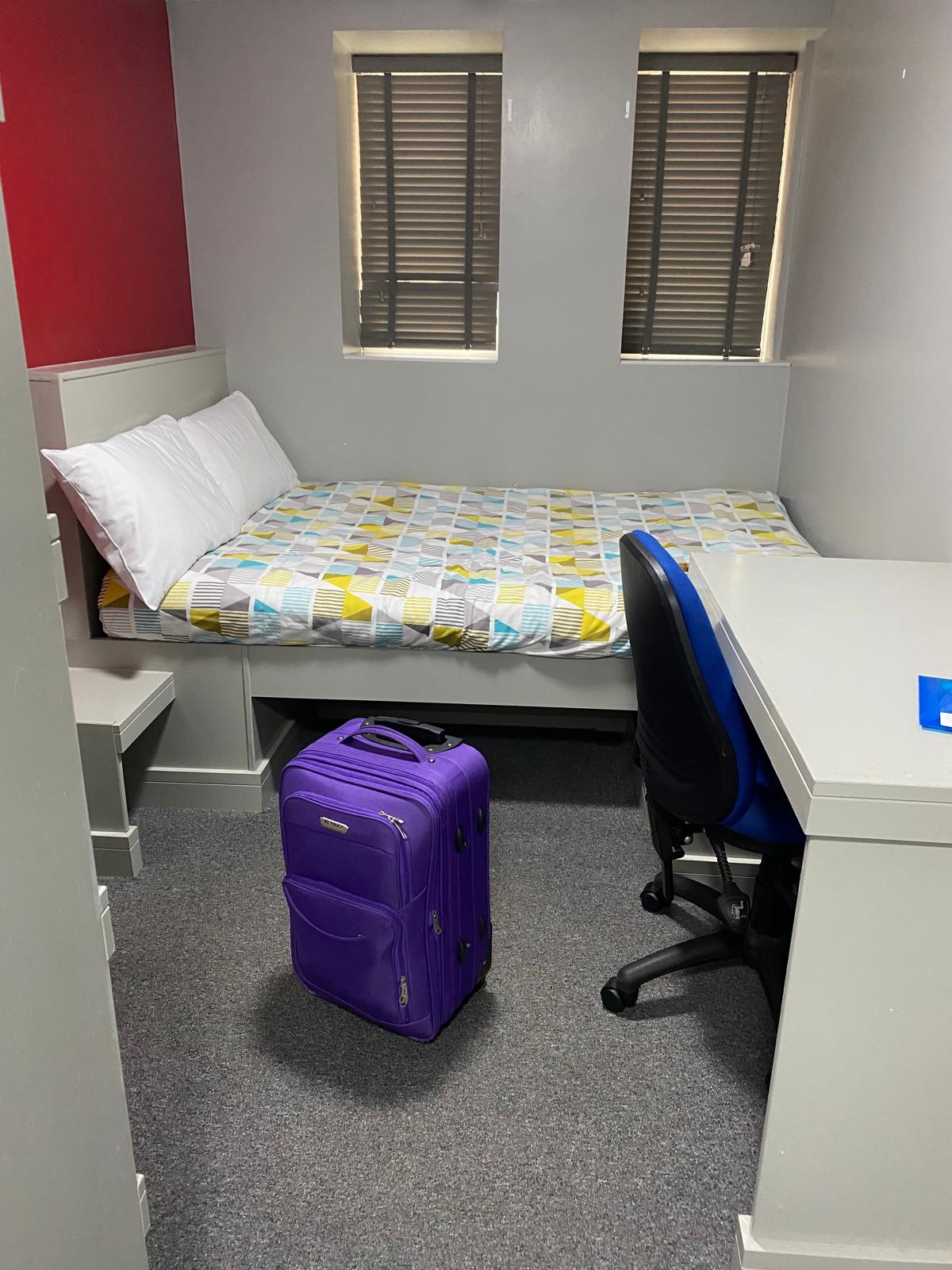
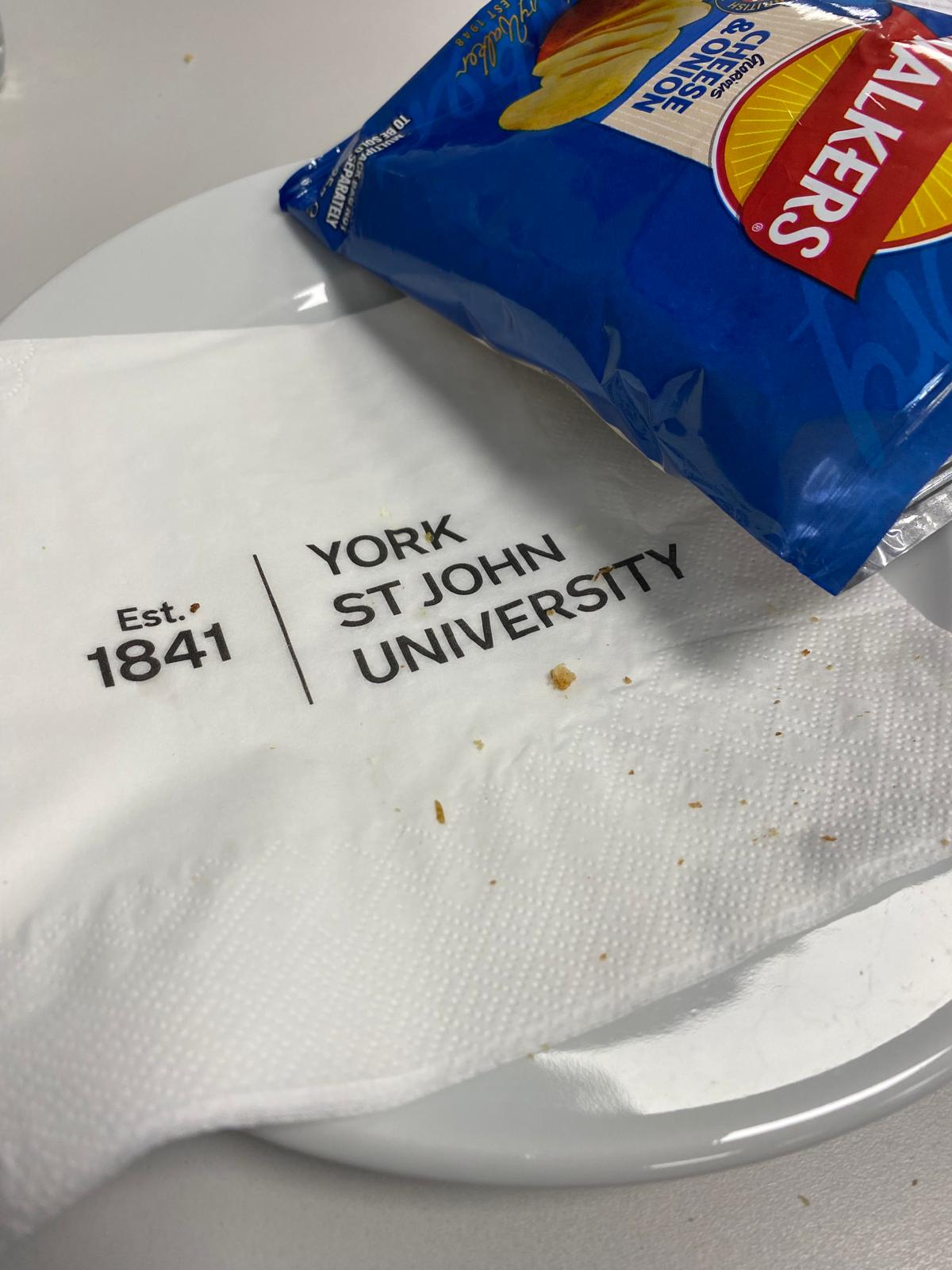
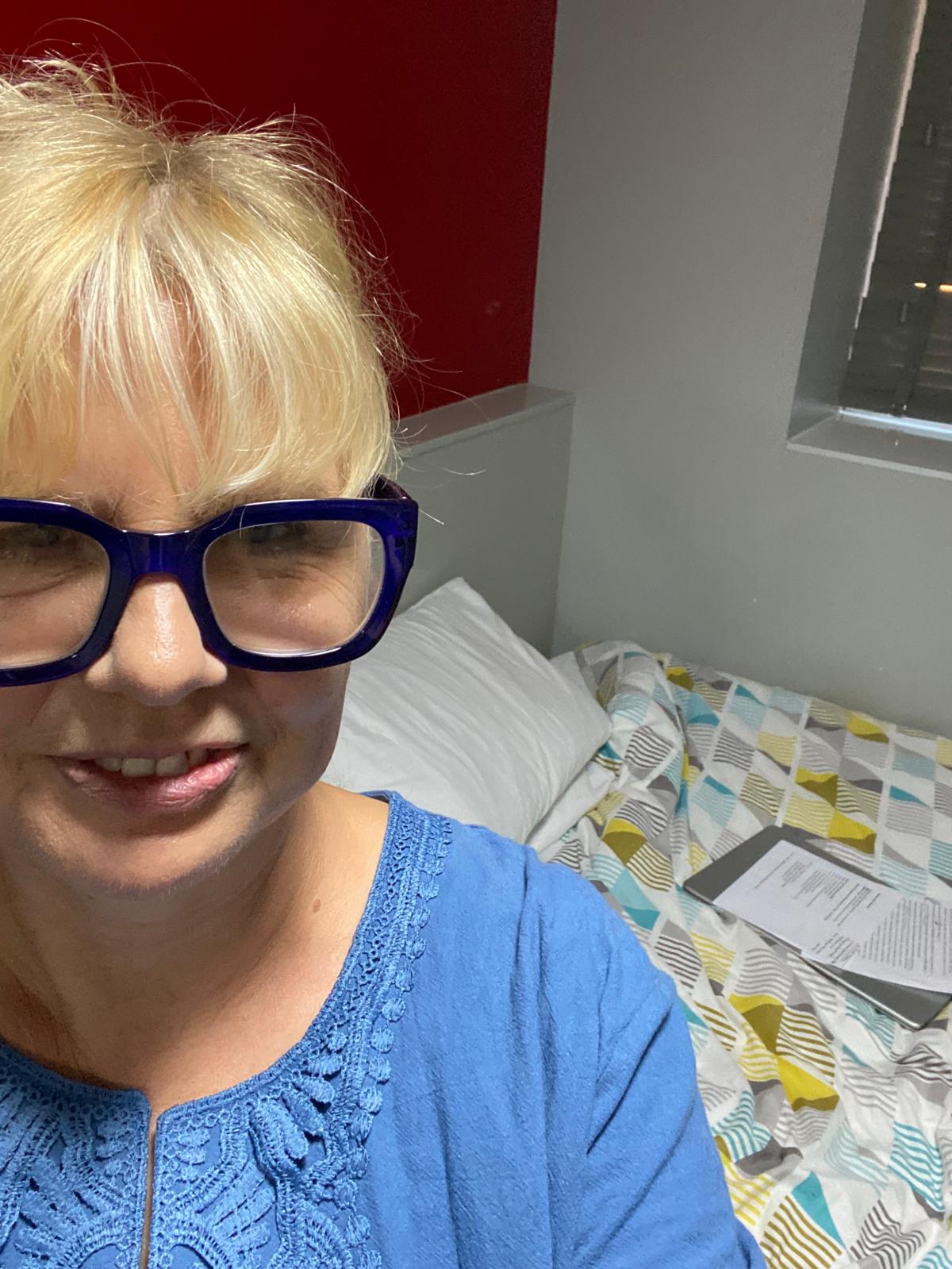
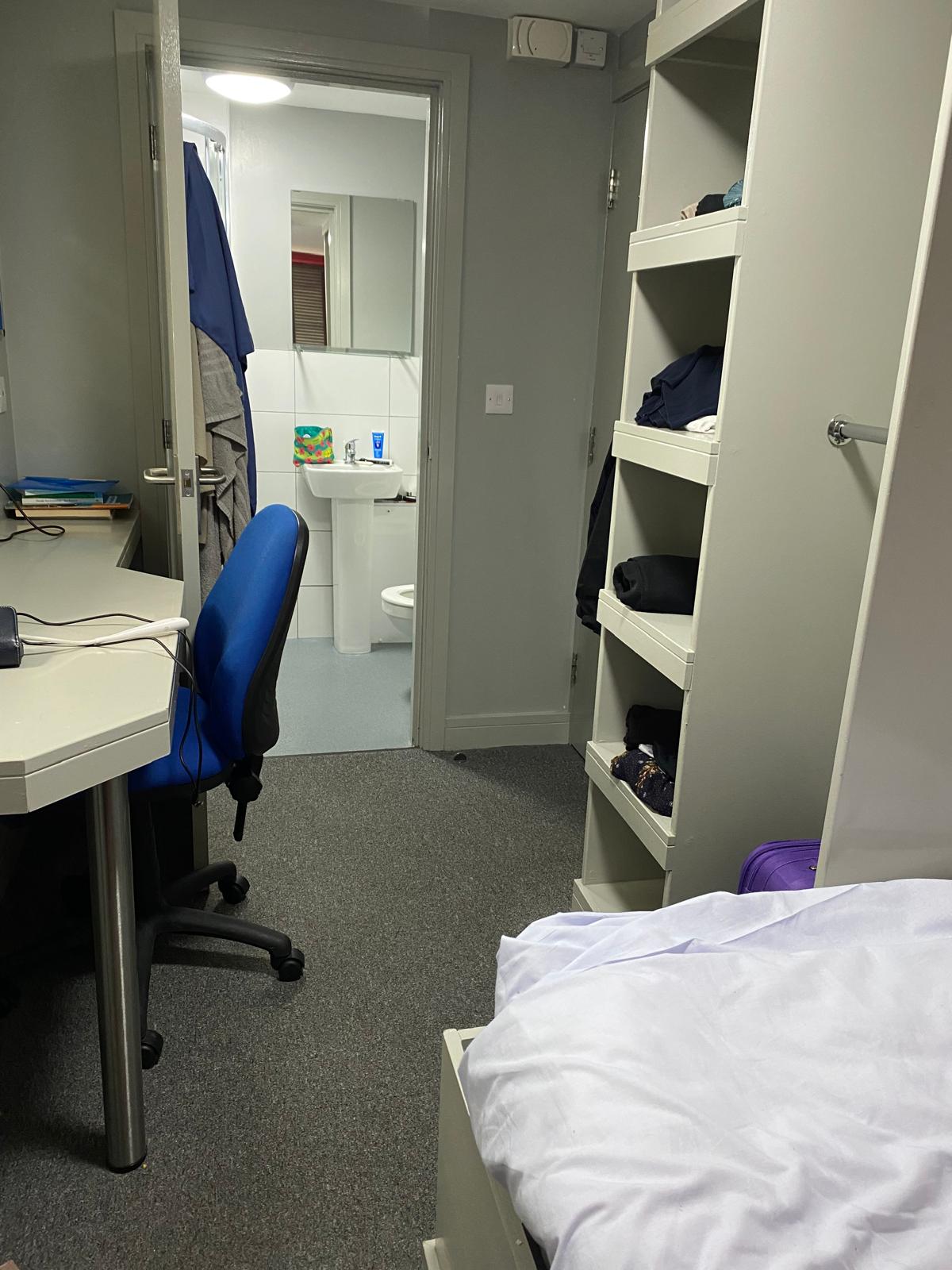
I didn’t get a photo of me talking at the event, but the first photo at the start of this blog shows my student accommodation for two sleeps which was lovely this time round as it had a double bed. The second is my half-eaten lunch at the event with the extremely classy York St John napkin. My work was part of the post-grad celebration not because it is of any particular merit yet, but writing it did lead to quite a lot of creativity. Experimenting with many of the techniques I identified, I wrote and subbed several flash fictions and micros, one of which is already shortlisted in a fab comp and which will therefore be published and for which I will get paid, so success of a kind. More deets next time when said flash is actually out in the world.
This is all new then. I’m in York for the first time as part of my PhD studies. I came up on Wednesday and am leaving this evening (Friday). I have been to York before as a tourist but this is my first time here at the Uni, staying in halls of residence and using university study facilities. I’m writing this on campus in the Research Centre which is a second floor space just for postgrads, that’s full of big computers and around 20 work stations, an attached break-out room and also a kitchen area where you can microwave lunch or pour hot water on your noodles. It’s very different from my usual writing space (tiny, built from stone with a sedum roof and heated by a wood burner). It’s all plexiglass windows and plastic work surfaces but it feels like somewhere I will get loads done.
I decided to visit right here, right now, because one of my facilitators puts on an annual editors/agents event for postgrad creative writers, and it was yesterday. One of this year’s 4 editors/agents was to be Dan Coxon who writes dark and short and whose work I much admire. As I was planning to visit my Ossett friend Clarey this (bank holiday) weekend anyway, and Ossett is, like York, in Yorkshire, now seemed an optimum time to come.
I decided to travel by train as Clarey said she would pick me up at her end on Friday (to) night. This was unfortunate as, as I was sitting on the first train at Huntingdon Station, the Tannoy announced that all trains were cancelled for the foreseeable, and could passengers please disembark. Turned out some poor soul had fallen under a train at Stevenage and all services were suspended. My husband who’d just dropped me off, came back, saying he would deposit me at the first station that the internet said was working, reasoning that stations further north would be unaffected. Sadly for my husband this turned out to be two hours drive away at Doncaster. I finally arrived in York at five pm. The half-hour walk from the station to the porter’s lodge was lovely despite dragging a wonkily be-wheeled suitcase, taking me as it did past the ancient city walls in sight of the towering Minster. The porter’s lodge was easy to find as was the very nearby, accommodation. After a little difficulty with the front door key, (which was sorted out by a kind resident), I made myself at home in my tiny room. Golly student accommodation has come on since my undergrad days. All ensuite and WiFi’d up with a huge shared kitchen. Here’s a photo of my tiny but comfy room.
The meeting with Dan Coxon on Thursday was affirming and positive, and I was gratified to hear that what he had to say about indie publishing and the journey of a nonconformist writer is mirrored by my own experiences. This made me feel that what I’m doing is going in the right direction. I gave him a copy of my dark collection of short and very short stories, Hostile Environments, which I hope he had a look at on his train journey home. The evening panel also compounded my own experience and made me feel like I’m on the right track.
Today, after I’ve finished this blog I’m going to continue my new project – writing a Flash Manifesto. To explain. Previous readers of this blog might remember I’d been trying to edit a short story I wrote a couple of years ago into becoming a short story ‘in-flash’ i.e. a short story comprised of standalone flash fictions. I was doing this as an experiment to better see the mechanics of ‘in-flash’ writing. But since I last blogged, I’ve come up against loads of problems/struggles in the doing of this, the first of which has been describing flash fiction as a distinct writing form in itself, let alone what writing ‘in-flash’ might be.
The more I study flash, the more I believe it’s a form that hates definition, and that it’s more of an umbrella term than a single describable form with consistent characteristics. Longer flash fictions, for example which to my mind can only be up to 1000 words (though there is no agreement on this and very often litzines ask for flash up to 1500 words) anyway, longer flash fictions up to 1000 words, are often more like short stories with narrative arcs and protags who undergo change and moments of epiphany. Mid-size flashes of 500 words or so, are often more about a moment – still with narrative arcs or movement but on a temporally smaller scale – often but not exclusively… One of my own prize-winning 500 word flashes for example, covers 10,000 years! You see nothing is a given in flash. But quite often mid-sized flashes present a narrative moment in a short-story-esque way. Micros however, (which I’m saying are flashes of 300 words and under) depend heavily on subtext, relying on readers to ‘join dots’, to have insight and cultural pre-knowledge about themes and issues, thus allowing writers to leave so much unsaid. And drabbles, (micros of exactly 100 words) always rely on unspoken subtext and charged signifiers. There seems to be something of quantum physics with flashes the smaller they get. Micros with all that omission and subtext seem to operate like entangled particles do in the weird quantum world were particles that are separated by time and space are somehow inexplicably linked or entangled. Similarly the loaded words inside micros set off ripples of change in readers’ minds so each reader constructs their own, bespoke interpretation/narrative/story, drawing on their own particular life experiences, experiences that might have happened decades or minutes ago and every-when in between, allowing them to make/intuit/construct narrative connections as they read inside, around and through as well as between the lines. Chuck into this mix, the overlap between prose poetry and flash, and even poetry itself (must micro flash tell a story or provide a context in which a story might happen or can it just present words wherein attuned readers might or might not intuit intended narrative happenings) and you have quite the gordian knot of possibilities as to what flash fiction might be/encompass.
A week ago I shared all this with my supervisors, also pointing out the virtual non-existence of scholarly texts on the subject that I might refer to, and they suggested writing a flash manifesto, according to me. That I can use as a yardstick when rewriting my short story into a short story ‘in-flash’. I thought this was a genius idea, so now I’m writing what I think flash in all its guises, is, using my practitioner experience (having written over 300 published pieces of flash of all lengths) and having read (now) several how-to practitioner guides such as Rose Metal Press’s Field Guide to Writing Flash Fiction, Randall Brown’s A Pocket Guide to Flash Fiction and Nancy Stohlman’s, Going Short, an Invitation to Flash Fiction.
When I have written, Jan’s Manifesto of Flash I will then describe converting my short story, Where the Truth Lies, into a short story ‘in-flash’.
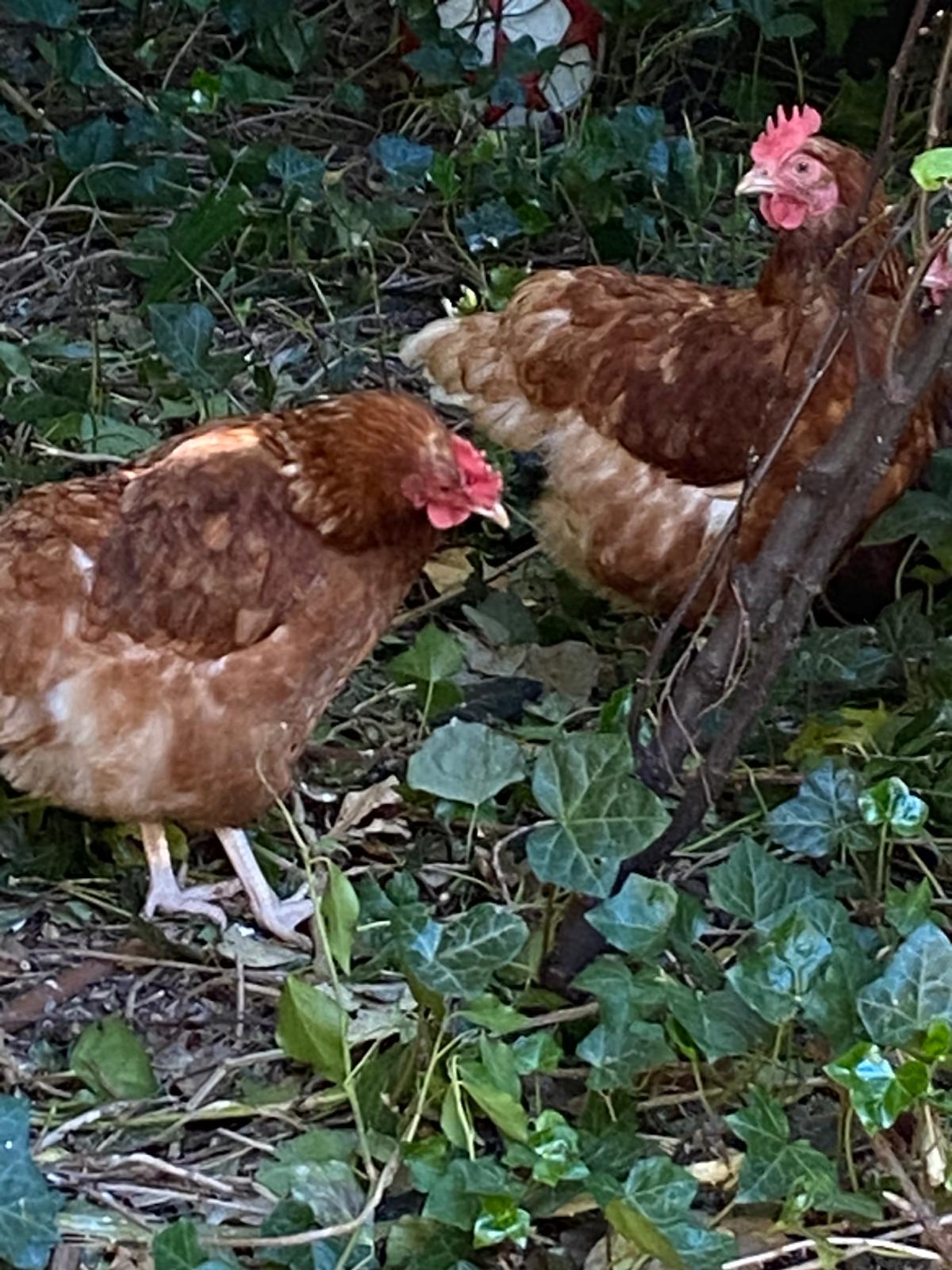
Above is a mosaic of photos that seen together illustrate the story of what I’ve been up to this month. The first photo shows the chickens! Yes, we’ve three rehomed chickens. They were industry layers and, as they’re now nearly two, would have been killed for meat. We collected them from a barn in Essex a couple of weeks ago and they have settled in really quickly. They are called: Bertha (not in the photo) and named because she’s big, Dawn, because she gets up first every day and Eggatha Christie, just because we could. We’ve had three eggs every day since day two of their arrival which we’re taking as a sign they’re doing okay.
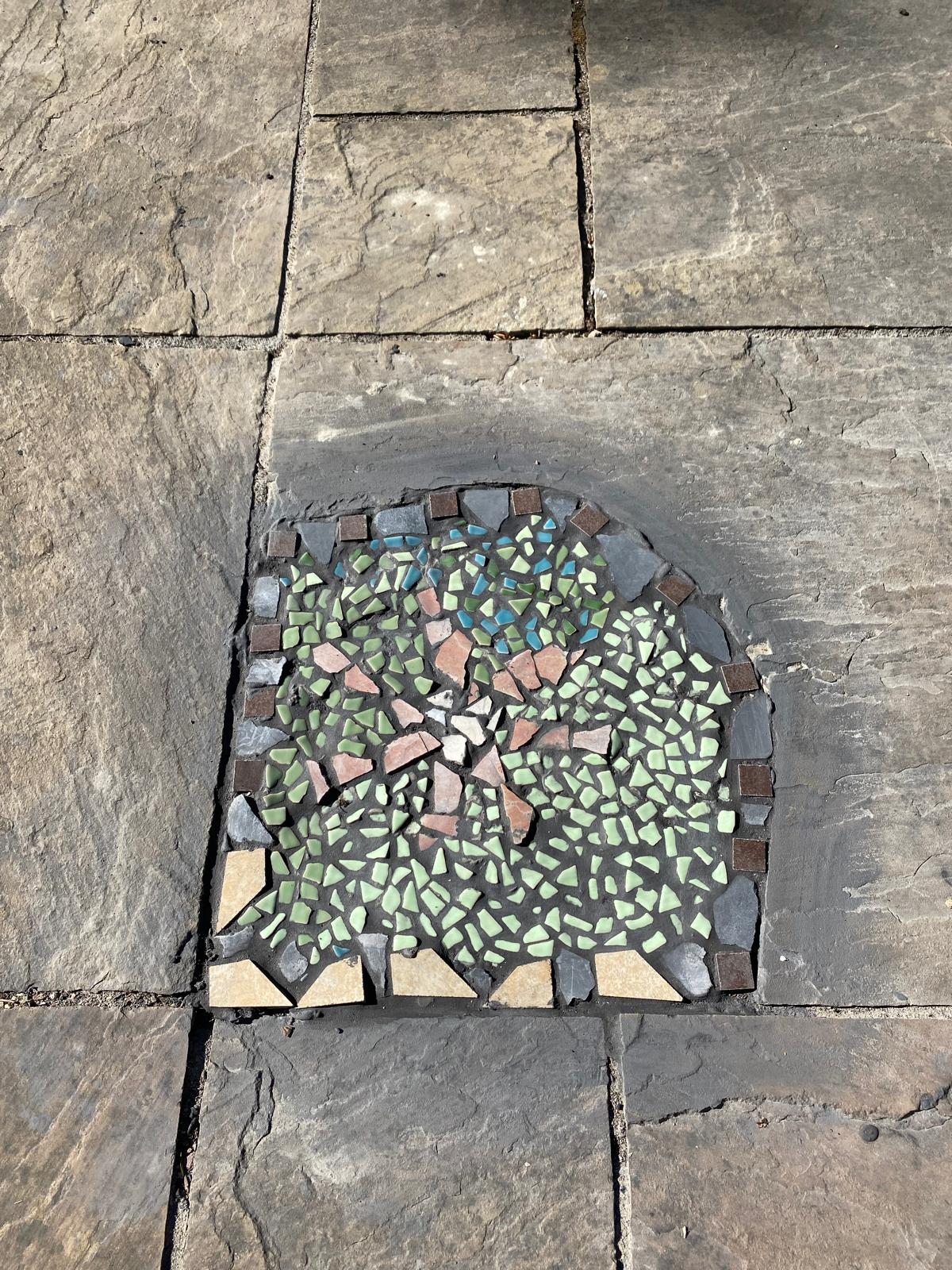
As you can see from picture two, I have also made an actual mosaic, on a bit of missing slab outside my writing gaff. The story behind that is, my son, George, his girlfriend Hannah and G’s best mate Joey were cooking burgers in my ex fire dish at Easter, when the bottom fell out of said dish delivering blazing logs onto the the stone slab beneath. Undeterred by this mishap, on they cooked, enjoying their burgers in the quiet of the night until the slab below exploded, showering them with red hot slivers of sedimentary rock. They put out the fire and (unhurt thank goodness) decamped to the barn down the garden (where G lives) and next morning, as they swept away the ashes and cleared up the remnants of the fire dish, they discussed with me what they were going to do to replace the slab. (Joey’s dad has an angle grinder and if they power washed the slabs they could colour match what was already there with a new piece of stone). I suggested a mosaic instead. Using some old bathroom tiles and repurposed bits of masonry from the ex fire dish. They said go for it if I fancied doing it. So do it I did. The photo depicts the result which I’m pretty happy with. It reminds me of Japanese kintsugi pottery repair that treats breakage as part of the history of an object, rather than something to disguise.
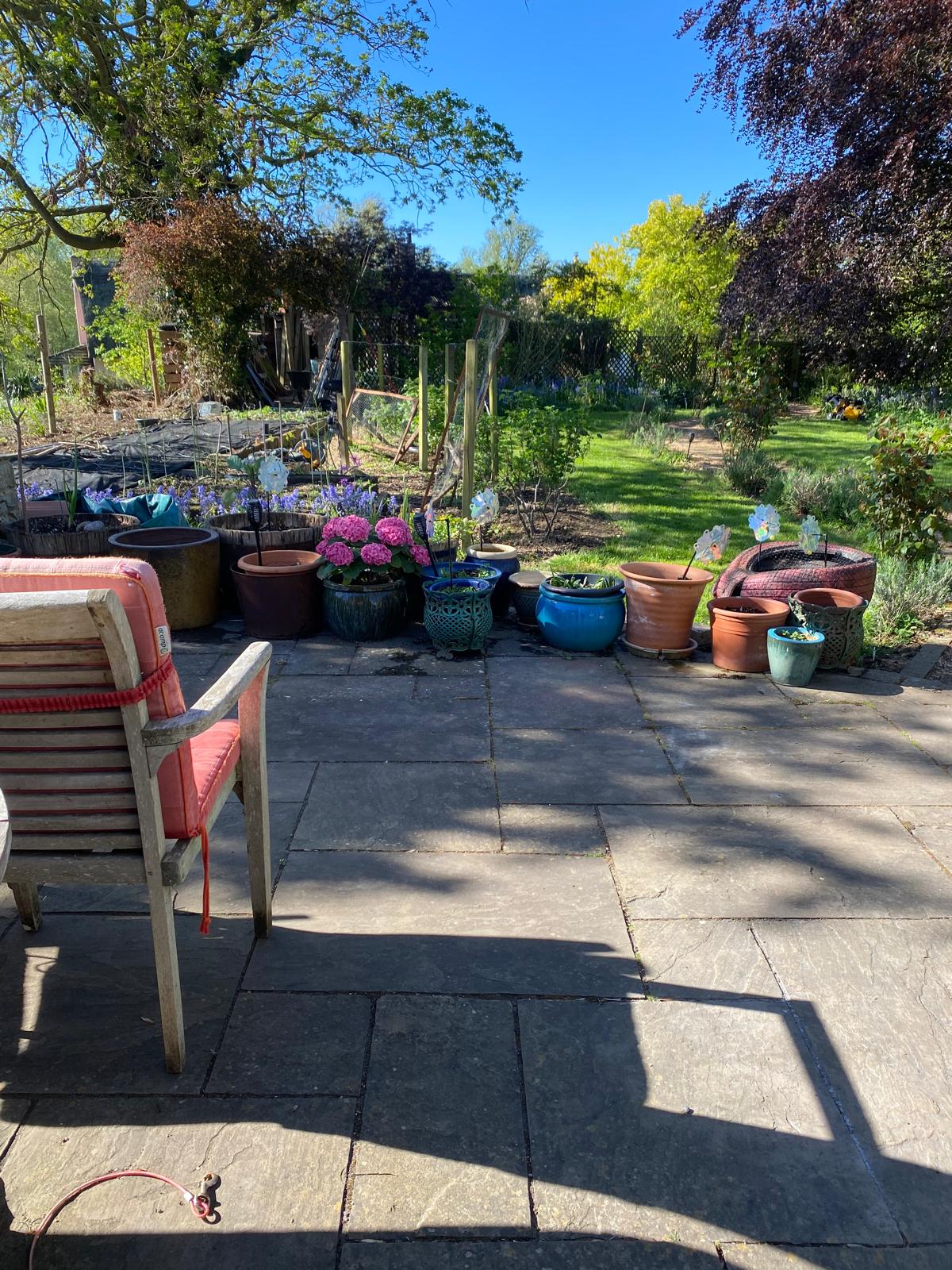
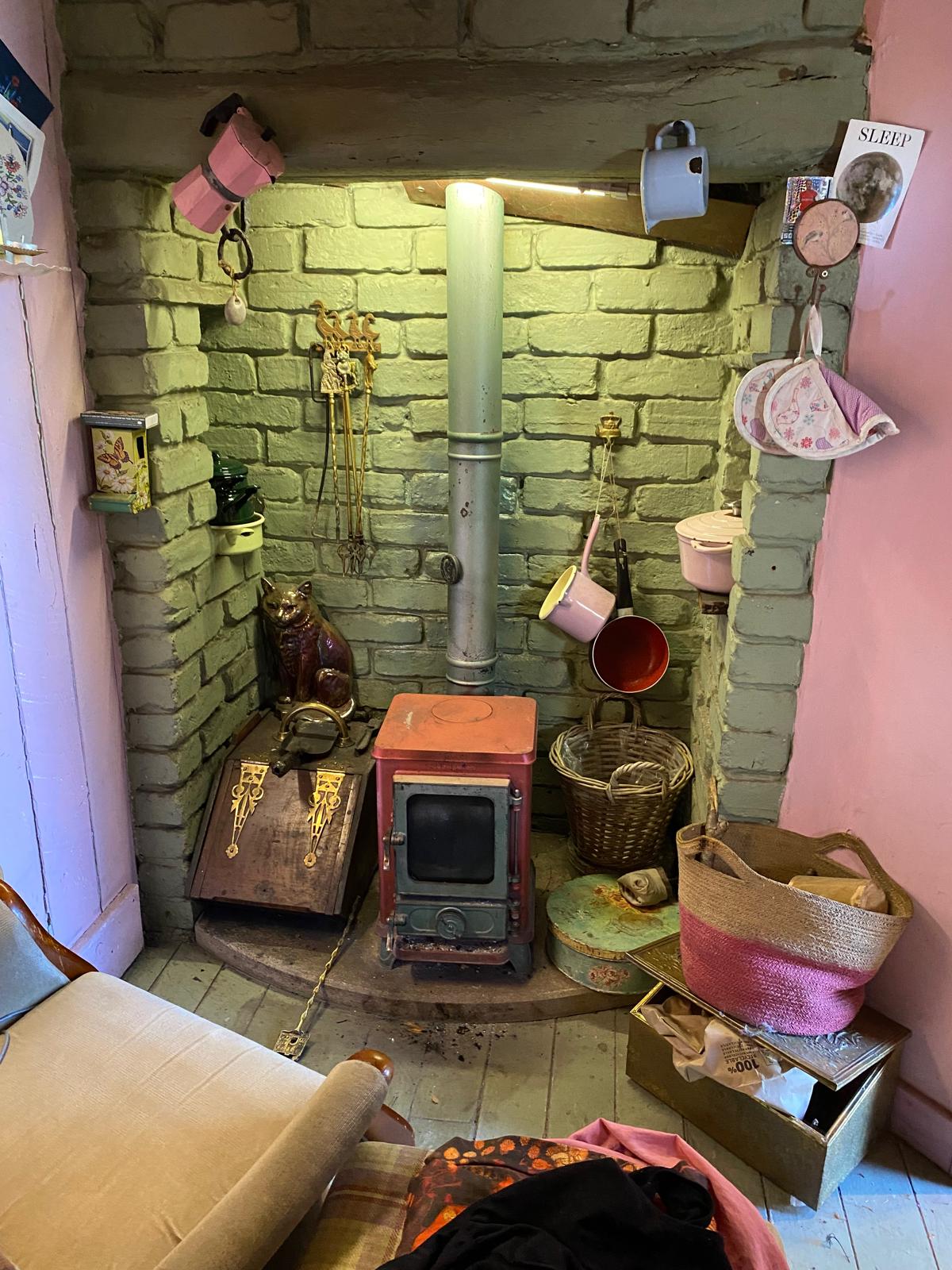
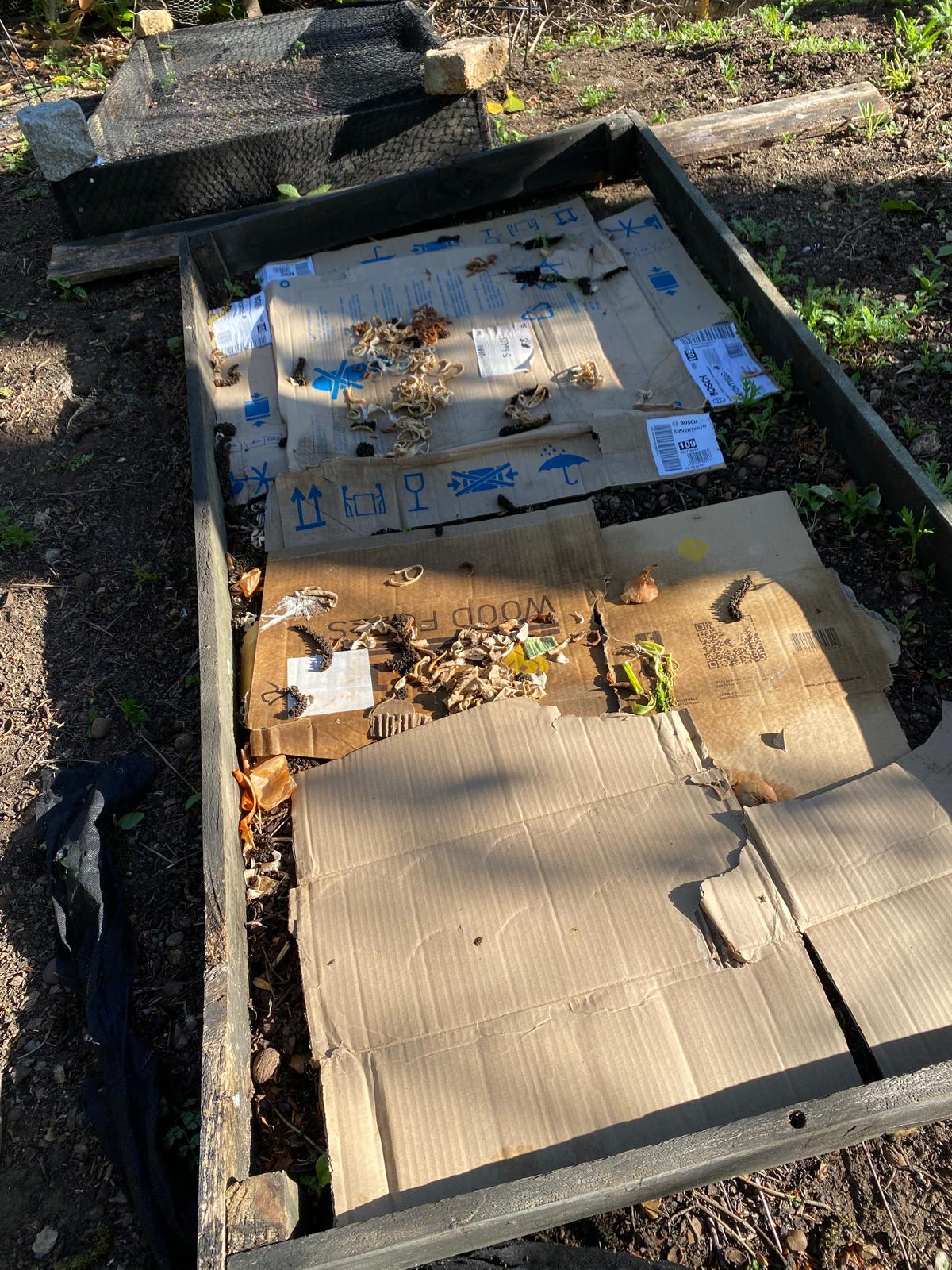
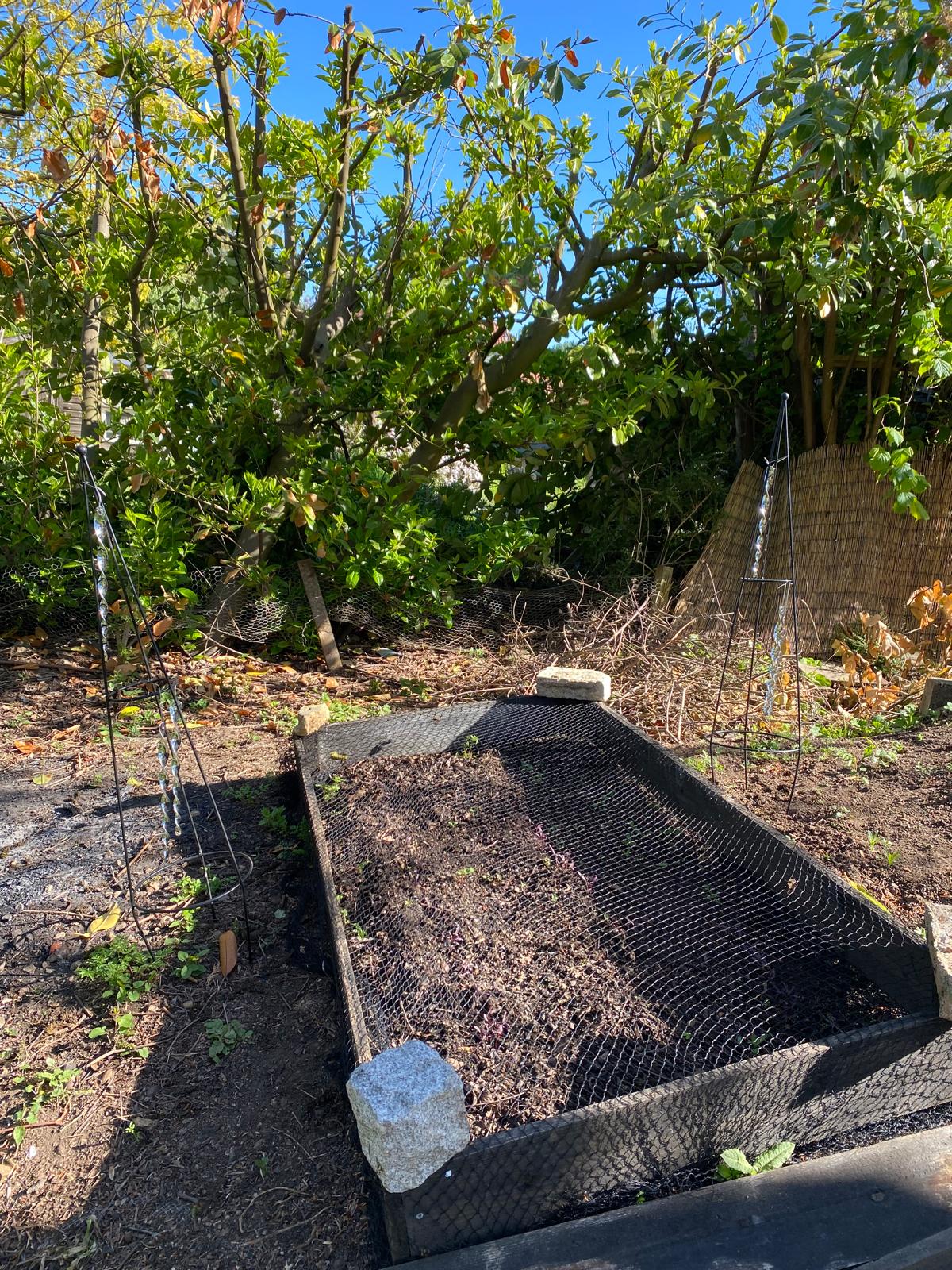
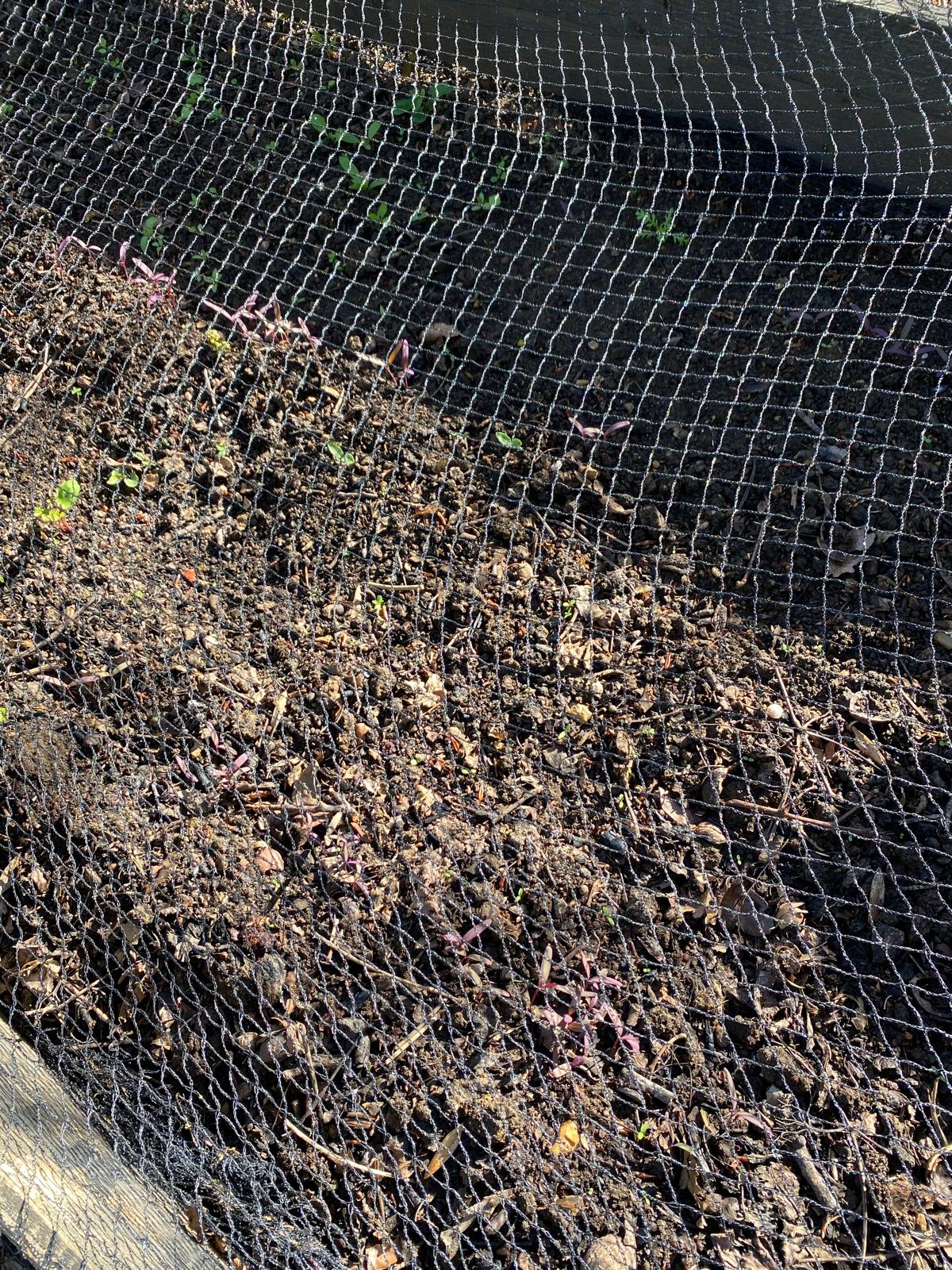
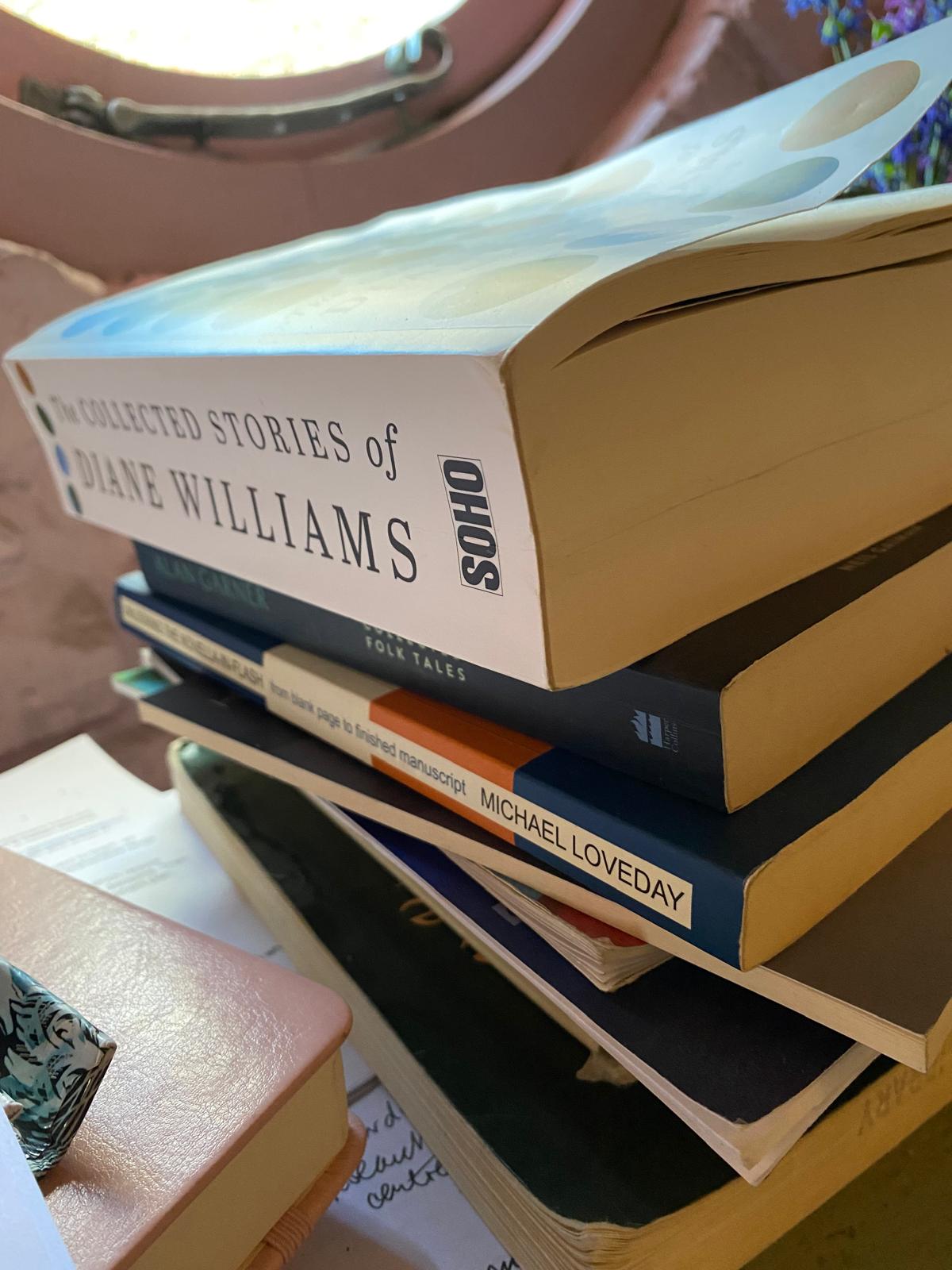
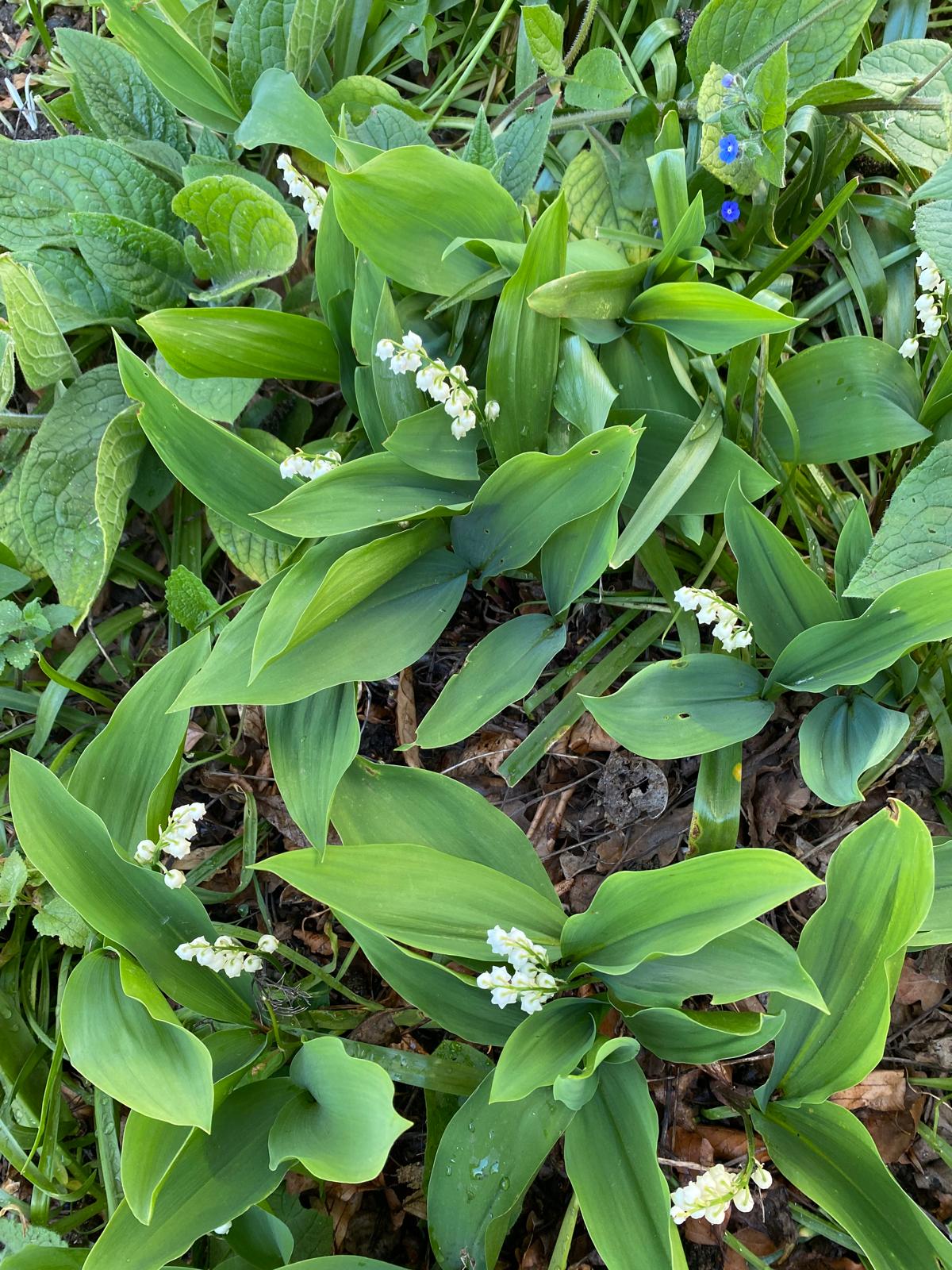
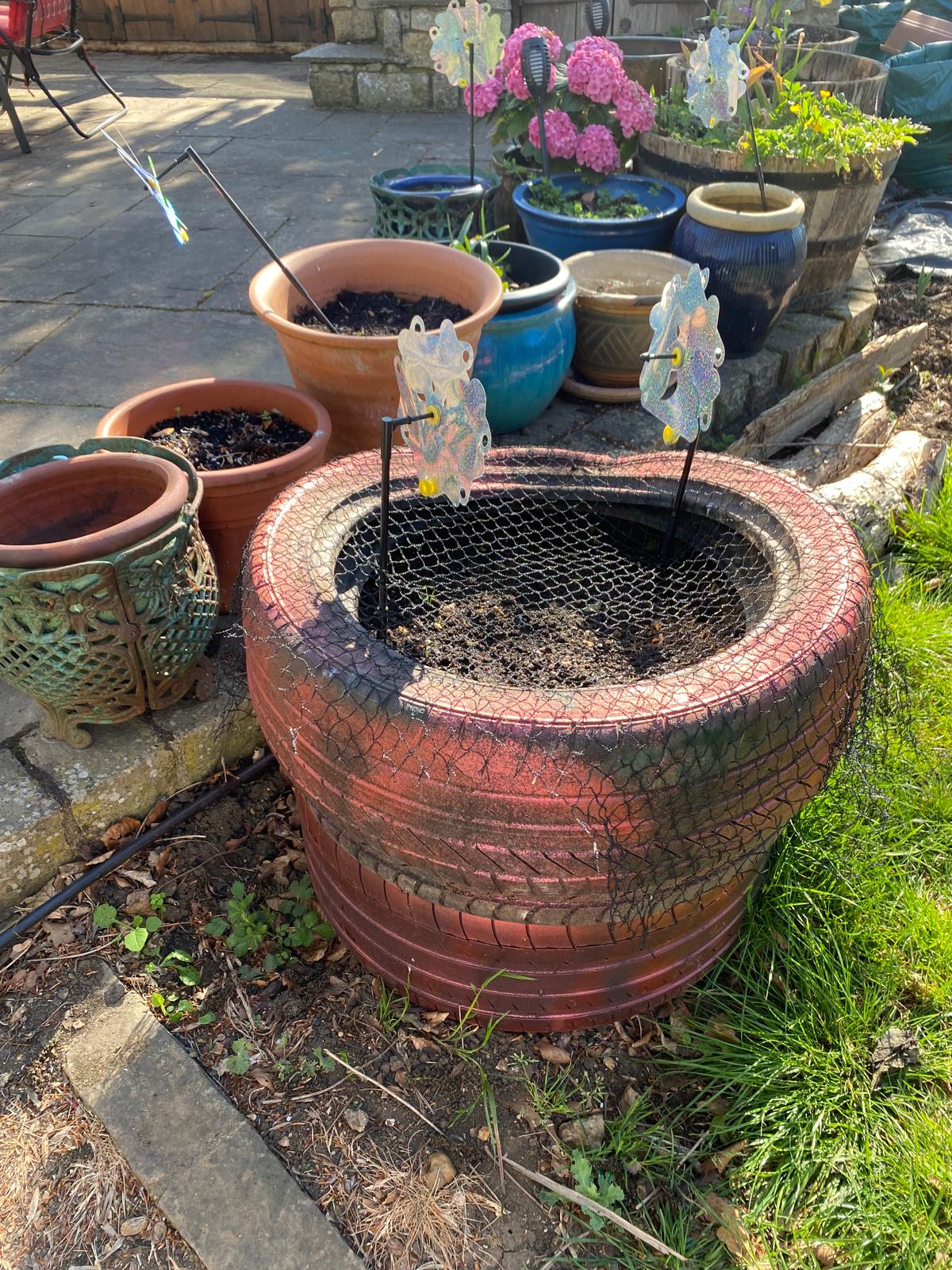
Also in the monthly mosaic pictures are photos of the medieval saplings as mentioned in my previous blog. The tyres which used to house spuds have been stacked and filled with soil and are now home to sprouted scorzonera or black salsify which was Emperor Nero’s fav veg, apparently. Also photographed is the no-dig bed I’ve started which is covered in cardboard and veggie peelings which will soon be covered in top soil and good king henry seeds, and also the new bed full of sprouting red orach which is the precursor to modern day spinach. It can grow really tall so it will be interesting to see how big it gets over summer. I’ve also included a photo of my outside chair where I have a brew after I’ve watered everything; my little patch of ephemeral joy, the lilies of the valley which fill spring evenings with a divine scent, like joy mixed with magic, and my reading chair where I sit when its chilly, fire-lit and focussed reading (this month) the pile of books I’ve also photographed.
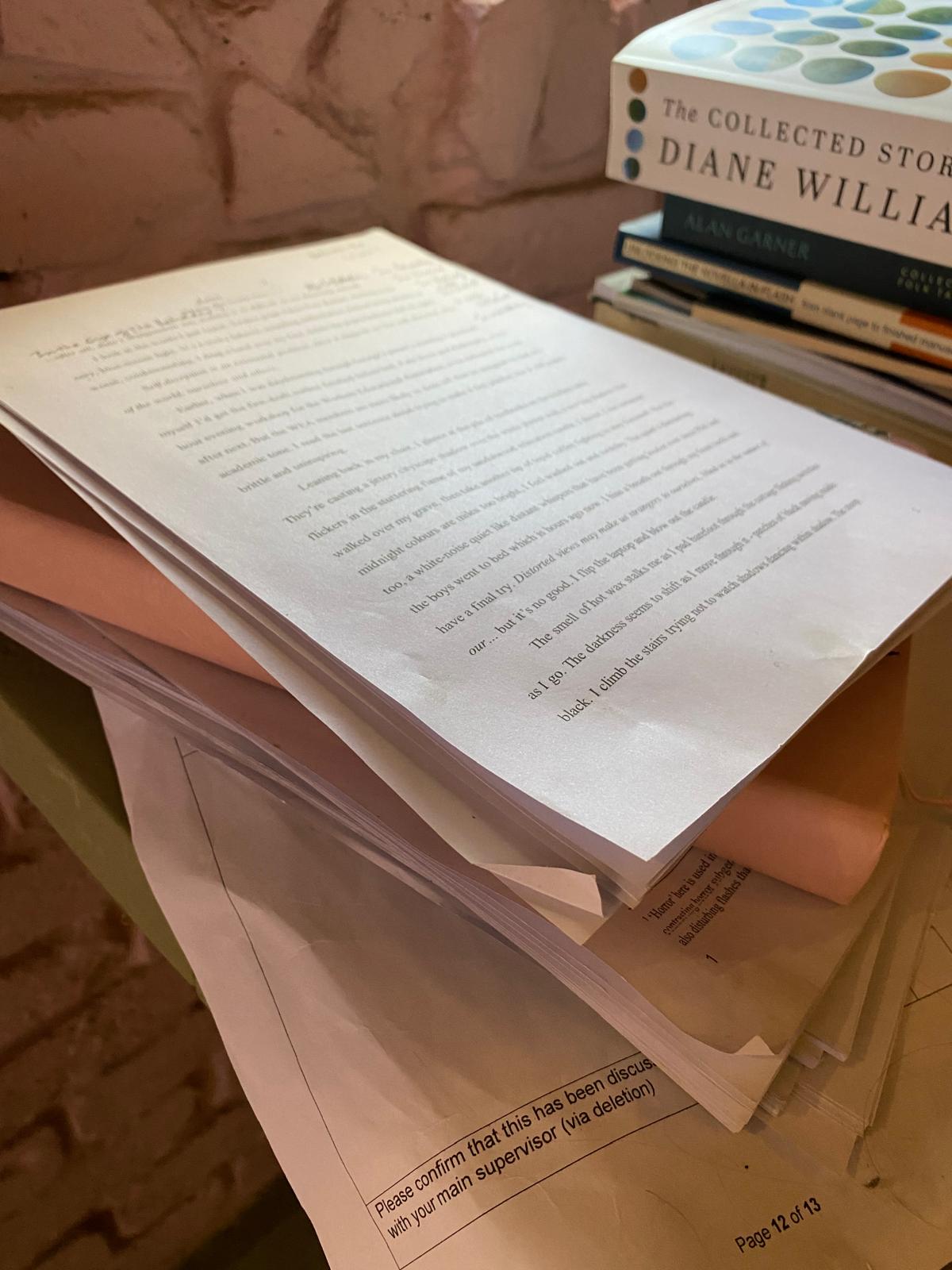
The last photograph is the short story I’ve been rewriting so it’s told ‘in-flash’. I’m doing this to better understand what telling a story ‘in flash’ is all about, as part of my PhD research. In a nutshell a story told ‘in-flash’ is a narrative made up of standalone flash fictions, each themselves under 1000 words, which when read together tell another, bigger story. The story can follow a conventional narrative arc or can be more of a mosaic narrative where the constituent flash fictions can be read in or out of sequence to reveal a bigger picture. It’s been a difficult task and is not yet finished. But I wanted to do it to see if it is as possible to write a short story ‘in-flash’ as it is to write a novella-in-flash, or if there are particular challenges involved. Turns out there are specific form-related challenges. The biggest of which, I found, is titles. Most novellas-in-flash have standalone flash chapters with titles, that mimic the form of conventional novellas. Short stories do not have chapters so this makes it more difficult. Difficult but not impossible I think, so I will continue to experiment and post the finished short story ‘in-flash’ here next month, to see what you guys think.
Another thing that happened this month which was too big a happening to include in the rest of the mosaic, was the passing of writer, friend, mentor, professor, poet laureate, editor of Radical Wonder and all round wonderful human, John Brantingham. He died very unexpectedly at much too young an age and I was totally shocked. John was the judge of the Bath novella-in-flash prize the year I won it, in 2023. I did not know him before this but after I won he was such a supporter of my writing journey – inviting me to read at events and championing my work. I am so so grateful to him for all he did and to have known him at all. Silver Birch press will be producing a book of flashes and poems written in memory of John and in thanks to him too. I wrote this micro which will be included.
Six Things I did because of John Brantingham
1) Won Bath Novella-in-Flash competition
2) Felt a genuine connection in the light of his feedback
3) Saw my courage shapeshift in that generous light, from pearly-grey points of windblown fragility, to solid roots of earth and malachite
4) Began a late-life PhD from a grandma’s perspective — a last-blast road very nearly not taken
5) Composed earnest demurmurations loaded with protest to keep myself sane in these frightening times
6) Became bereft of words. Silent. Straining to catch fragments of echoes he left, then was blown away, hearing so many, like a chorus of comfort, like a radical wonder
Six weeks ago, I watched a documentary on YouTube about veggies grown in medieval times that, despite easily self-seeding, outgrowing weeds and having mostly better nutritional value than modern-day replacements, have fallen out of common knowledge. Supermarkets don’t stock them as veggies and mainstream seeds catalogues don’t sell them to grow. The reason they’ve fallen out of use (and it seems most memories) appears to be that they don’t fit in with modern day big farming methods. They either take a while to establish and so do not provide a quick return on investments, or cannot be easily machine harvested and so are expensive to crop, or need eating quickly once picked and so don’t have a long enough shelf life to make them financially viable in supermarkets.
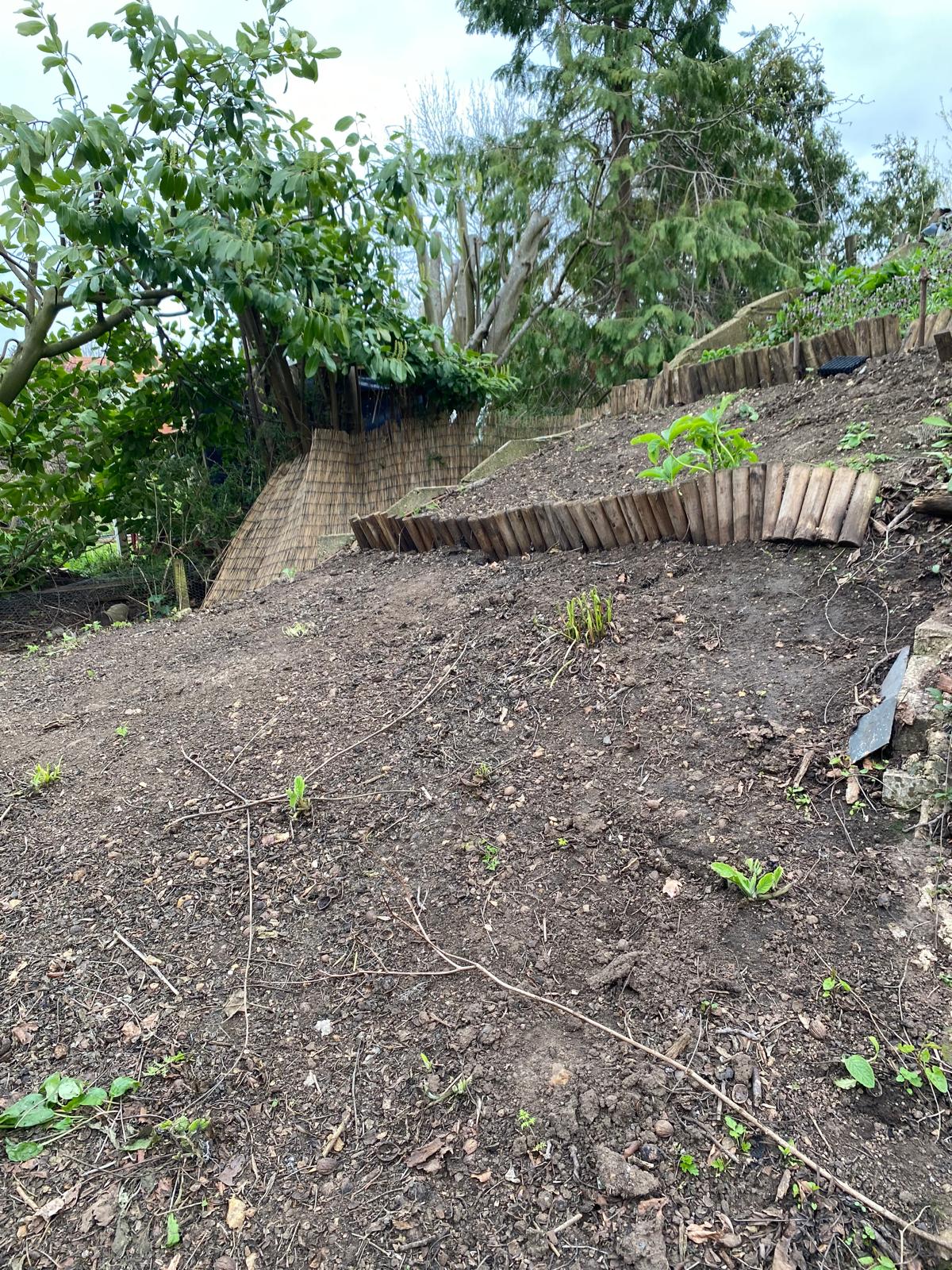
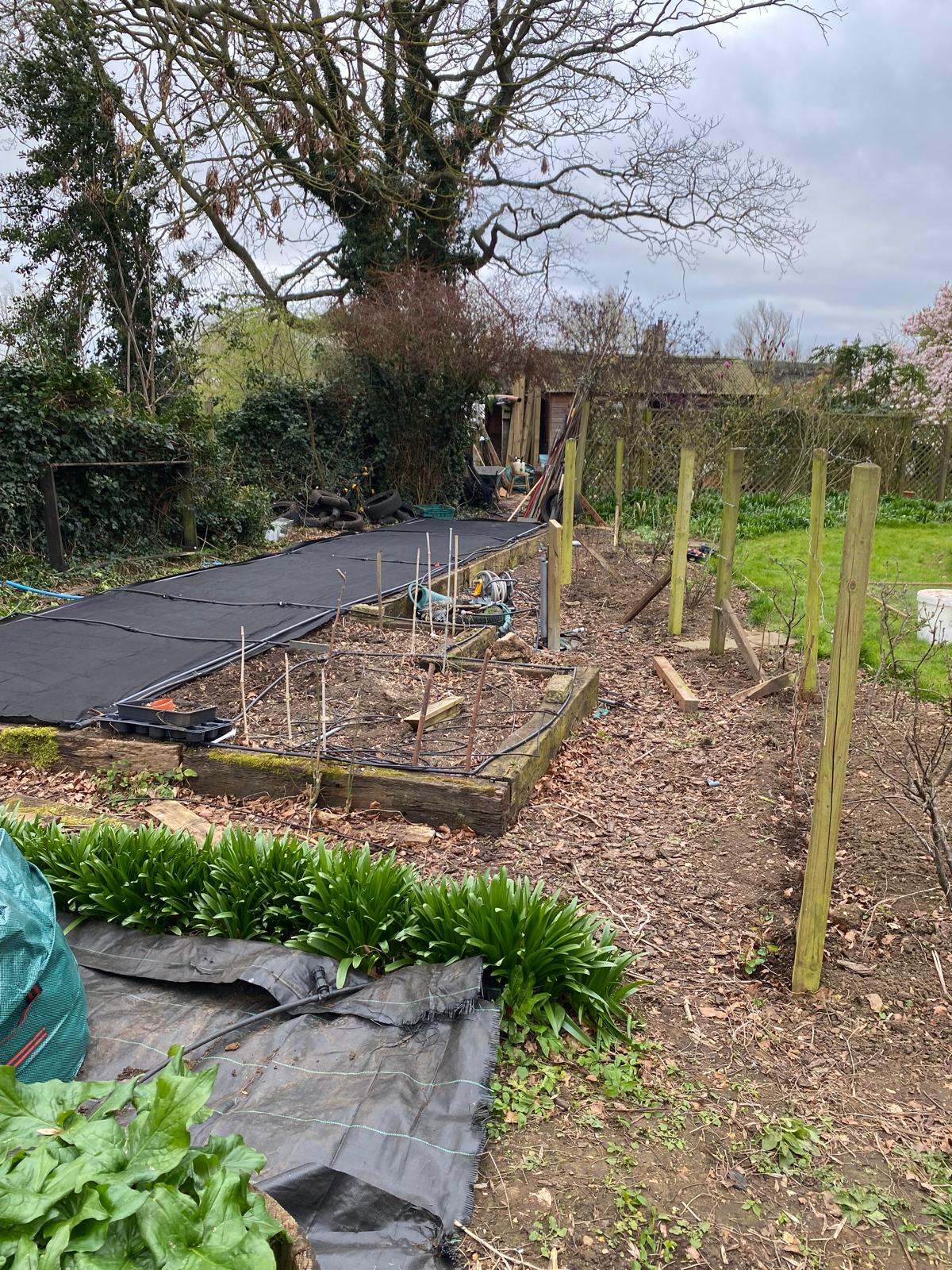
I found all this out by accident, as a result of looking for veggies you can plant out later in the growing season because we’d had to take our greenhouse down. Between the start of Feb and last week the greenhouse has been out of use in order that a diseased horse chestnut tree could be felled. The tree surgeon said he couldn’t guarantee the greenhouse’s safety in the face of felling such a huge and very rotten tree directly over the top of it. So take it down my husband did. It was meant to go back up the following week but a flurry of named storms blew in making the felling too dangerous and so we had to wait a further five weeks to put it back up. Thus our seed growing window was heavily reduced which provoked my online research for veggies that can be planted and/or germinate outside spring. I’d had some success with pak choi last year which you sow straight into the ground after the last frost so I was quite confident there would be veggies out there we could look at. The greenhouse went back up last Friday and will be the starting point for this spring’s regular seedlings for tomatoes, courgettes, pumpkins and beans, but in addition to these, this year we’ve now prepped the soil and made space for a whole new selection of forgotten crops that will start to get planted in April and finish getting planted in Autumn (some of the seeds need to overwinter before germinating).
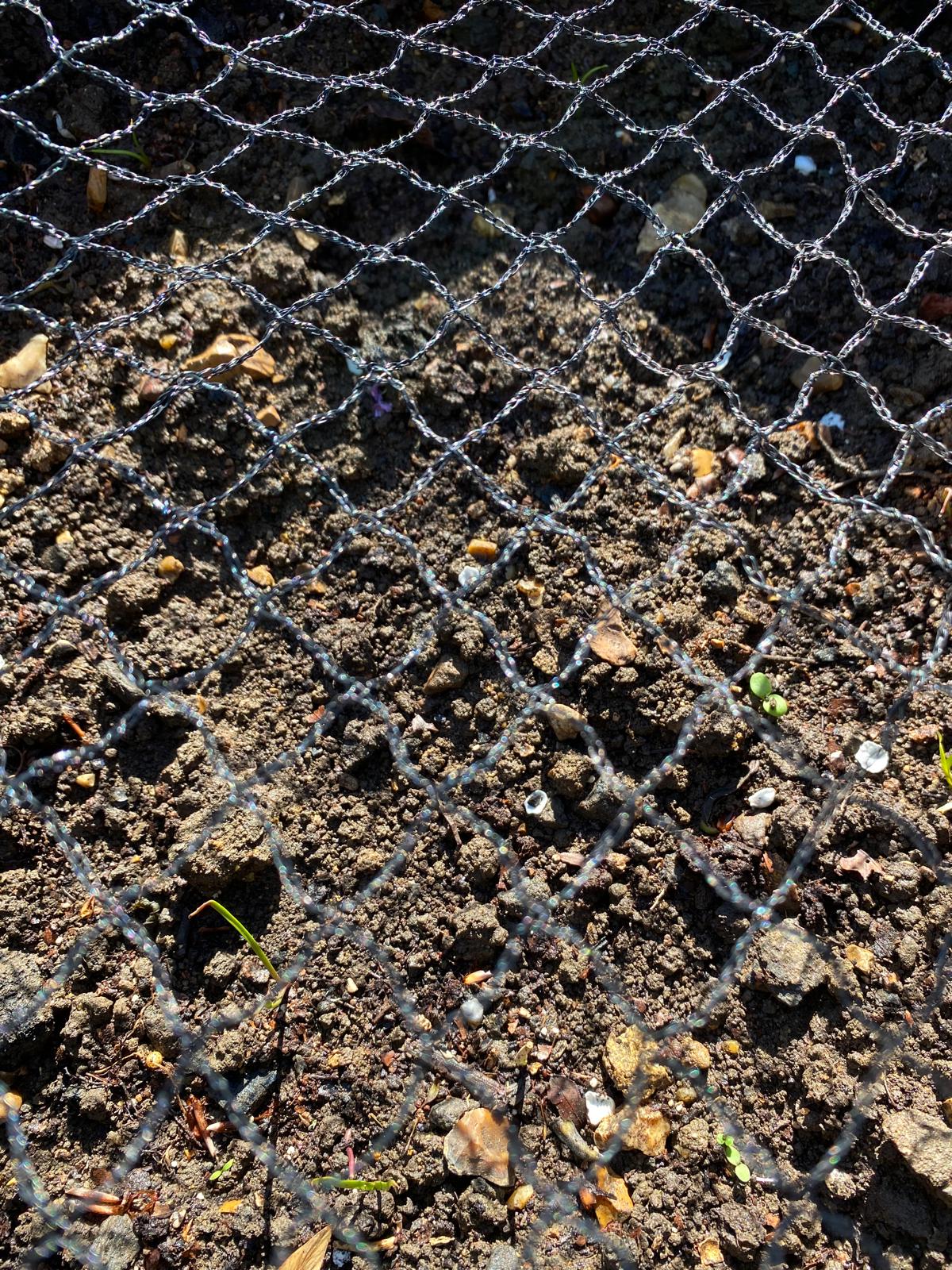
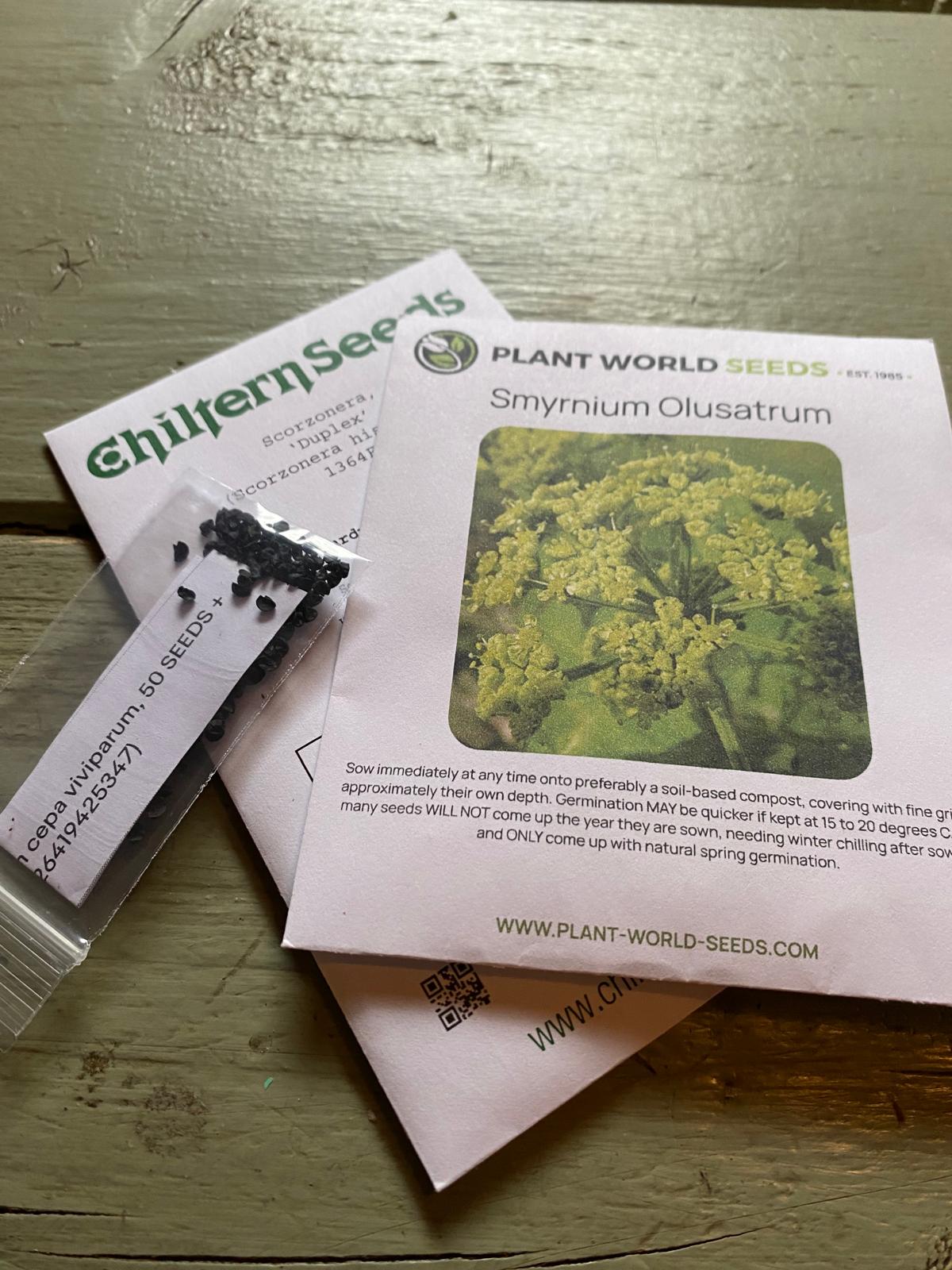
It has taken a fair bit of research accessing the seeds but hey I’m a research student now, so have been using my newly learned transferrable (it turns out) skills to get six strangely named new (to us) veggies that used to be the mainstay of potager’s gardens in the UK for hundreds of years before industrialisation. Sadly there is one I haven’t been able to source yet but I will keep on trying because I love the idea that we’re bringing something old (and to us, new) back to life (hopefully). Also, having lots of different crops that reseed and look after themselves seems like a great way forward and much more suitable to a potager’s garden like ours, so much better than growing line after line of thirsty, modified plants like commercial farmers do, that need constant watering and weeding and replacing every year. Hope this new system will mean less gluts and dearths, and that having small amounts of different veggies that come up in sequence will add interesting variation to our diets. I’ll document what all the new seeds/plants will be in my next blog, and also where I bought them from, so anyone who’s interested can try growing some too. (you can see three on the photo at the start of this blog). And here’s a couple of photos of the prepped soil ready for all the lovely seeds to take up residence.
Whilst all this seedy stuff has been underway, I’ve also been beavering away at my PhD research. I had my second supervision meeting yesterday which really cemented in my head how much I love these meetings. They’re a mixture of: touching base, getting expert perspectives and guidance, a cheerleading session for those of us (i.e. me) with persistent imposter syndrome, reporting back on stuff done since the previous session and setting a goal/target of things to do /talk about next time. Both my supervisors are truly expert in their fields, their minds brimful of knowledge. I count myself as very lucky to have them as mentors. Below is a flash fiction style narrative list of some of the things I’ve done between my first and second supervisions.
Written a draft first flash for my PhD creative component novella-in-flash (I say first but it might not be first in the story, just the first to get written).
Read 3 novellas-in-flash, and the novel Waterland by Graham Swift which isn’t written ‘in flash’ because the chapters are too long, but which uses many of the component, restrictions and techniques I’ve been identifying as characteristic of ‘in-flash’ writing; read A Lover’s Discourse by Roland Barthes (I say read but I mean struggled with.
Read everything I could find by Mark Fisher who is a postmodern genius.
Attended researcher develop training sessions on: setting up a thesis doc in Word, Managing Perfectionism and What Should a Literary Review Do?
Won a York St John Uni International Women’s Day Poster comp prize for ‘best feminist engagement’. My poster was displayed in the post grad centre for IWD and students voted for the winners. There’s a copy of it at the bottom of this blog entry. I got a certificate (I love a certificate) and a £15 voucher which I intend to spend on wine and tacos. Very pleased I took part in this, because flash lends itself really well to posters I reckon and I’m now properly interested in doing more so…
Started another poster for the Humanities Post Grad Research Annual Flagship Event in May, which, this year, is going to include the launch of journal Curiositas, a new publication established and staffed by postgraduate researchers from the School of Humanities. Alongside this launch will be a celebration of postgraduate research currently taking place across the school in the form of posters done by the postgrad researchers themselves. These posters will aim to give a taste of projects underway and I’m going to enter one for my project. I’ll post it here when it’s done, but starting this poster made me realise that writing ‘in-flash’ needn’t be constrained to novella, and that, in fact, I’ve written micros ‘in-flash’ already. I’m putting a micro I wrote ‘in-flash’ on the poster. This 300 word micro is made up of three standalone drabbles which when read together imply another story. This made me question what writing ‘in-flash’ truly is.
In order to try to find out I’ve decided to take a short story I wrote a couple of years ago, which was published in my collection, Hostile Environments and rewrite it so it’s told ‘in-flash’. I chose a quite fragmentary short story of 2200 words that’s not, (I think,) written ‘in-flash’ to investigate similarities and differences. So, as an experiment, I’m going to restructure it, so it becomes what I reckon is an ‘in-flash’ story, and then, describe what I think defines the change.
It could be all or none of the following: making each fragment narratively complete and standalone; making each (now) standalone flash be 1000 words or less; giving each individual standalone flash it’s own title; making the ending of each now standalone flash ring like a bell to give readers moments of narrative pause; making the bigger picture of the combined flash fictions less narrative arc and more narrative mosaic; bringing white spaces to the page after each interior narrative ending, therefore foregrounding emptiness and silence so they become an integral part of the story-telling. Then, I’m then going to write an essay about what I find out. Should be pretty interesting.
Seems to me I’ve been having quite the accidental learning time over the last few weeks. I’d never have thought about doing this essay without having started the poster, and I’d never have known about medieval veggies without the gone-greenhouse. Really does make you think about knowledge, its acquisition and perpetuation. Hardly anyone knows about novella-in-flash let alone what ‘in-flash’ storytelling is, and though everyone used to know about medieval veggies, practically no-one does anymore. It’s like there’s a hierarchy of well-known stuff that if it becomes too generally accepted, pushes other alternatives out of existence. I’m starting to think that might be the case with creative writing too. Short stories that don’t comply with long-accepted shapes very often don’t get published. They need a narrative arc with rising action, a crisis, a climax to be thought of as any good. And you have to have a character who changes or goes on a transformational journey. Well work ‘in-flash’ very often doesn’t do these things. I wonder if that’s why writers don’t give it a go? Maybe ‘in-flash’ writing’s face don’t fit the current publishing industry, that wants cliff hangers and page turners and nothing all that new. Maybe ‘in-flash’ writing is a bit like forgotten crops – not able to thrive in the face of big business and profits. It’s defo a thought.
I had my first ever supervision Team’s meeting today with both my supervisors wherein we discussed:
How the induction went last week
Me starting to fill in my York St John Postgraduate Development Needs Plan which will help me identify and fill skills gaps in order to become a good researcher
Me getting my PhD Distance Learning Commitment Statement signed off by the three people who need to sign it off. This is to make sure I have the right equipment to do my PhD and also so that I can have things like actual copies of library books and post-grad booklets sent to my home address.
Working out how writing as a researcher is different to writing as a practitioner
How useful the online lecture I attended entitled Writing not Reporting was (spoiler alert – very).
Getting au fait with one of the referencing programs provided by the Uni as soon as poss so I don’t lose track of what I’ve read
Starting a notebook where I document insights that occur to me as I both read and write creatively so threads of understanding don’t get lost. I’m very keen to do this as when I read, ideas keep zooming into and out of my head To this end I’ve decided to get myself a mahoosive hardback notebook and take it with me everywhere I study and create. I’m also going to do this blog which will give me the bare bones of what I think and do
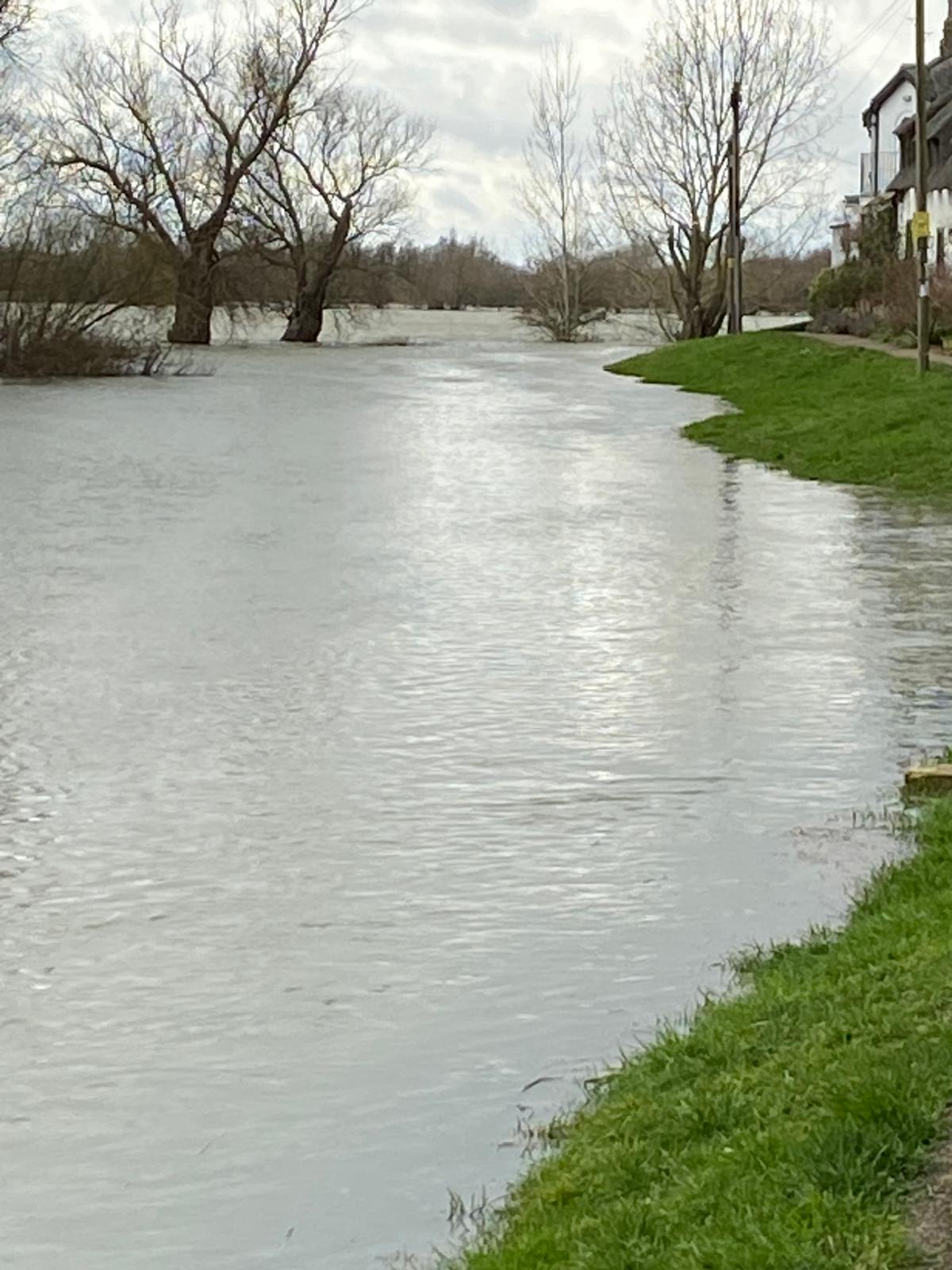
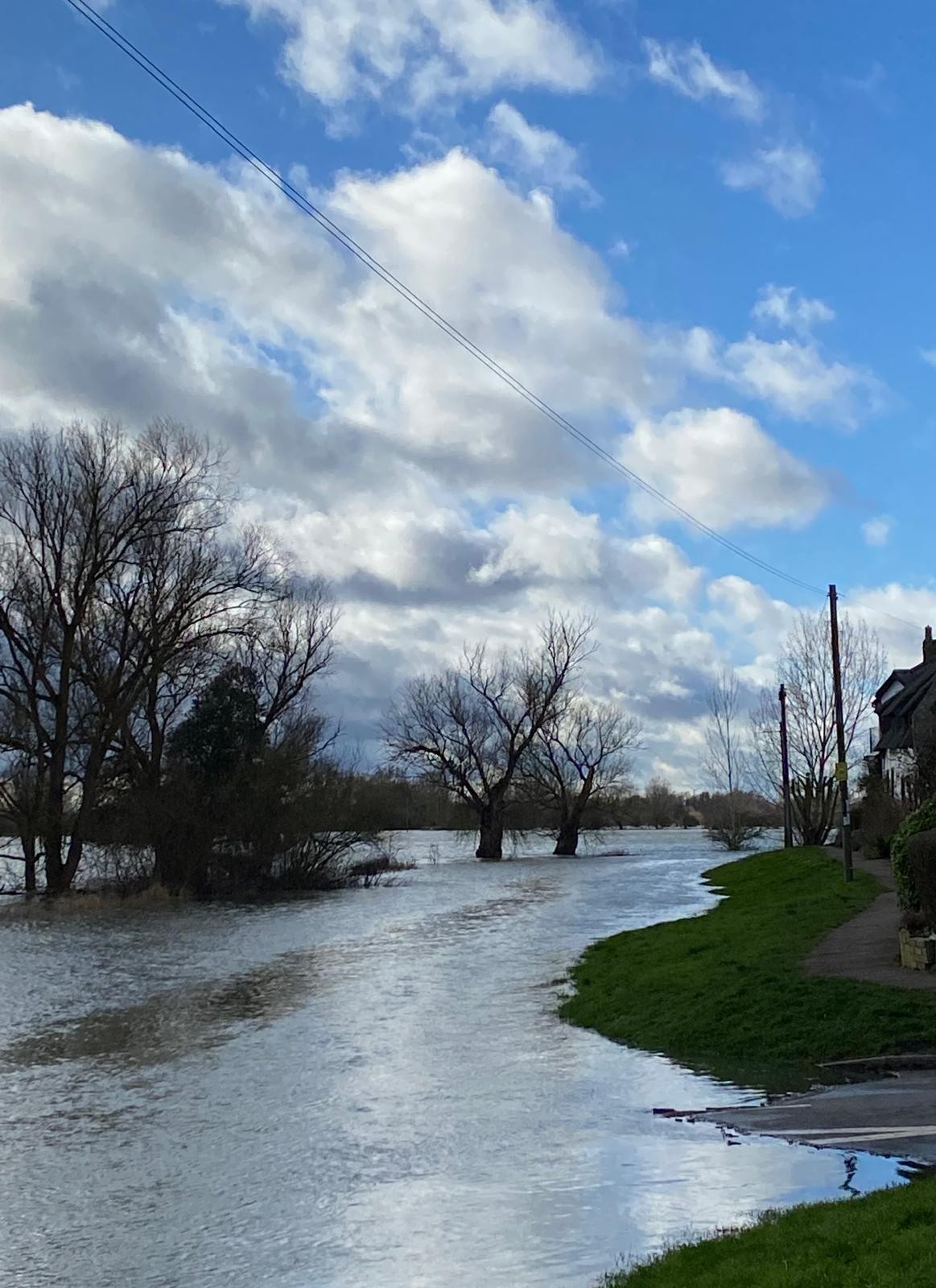
The flood outside my house (the tiny thatched cottage on the right of both these photos). The WiFi connection went weird in the meeting which I put down to the flood being up. I live in the Fens on a flood plane which as you can see is pretty watery at the moment. We still managed to cover everything needed though so all good.
I took these two photos after the supervision, half an hour apart going to and from the doctors to pick up a prescription. It’s mad how fast the sky moves round here. Blue and thistledown on the way out, a whole spectrum of grey on the way back. Thought I’d capture it to mark today because doing my first supervision seemed like a quantum leap and therefore worth marking somehow. It makes it feel like the PhD is really happening. Like its moved, just like that, from my imagination into reality. I’m off to Poland again tomorrow and I’m looking forward to reading on the journey. I love studying when I’m travelling. You can get a lot done in the limbo that is an airport. Hope the sky’s a wee bit stiller tomorrow though. Fast moving’s fine when you’re down here – but up there – whole different perspective.
I have no voice (speaking not writing) because viruses are no respecters of folks’ first weeks on their part-time PhDs. Got back from Poland the week before last, where I had to make a quick unexpected dash due to my eldest son’s nan passing away and him having to leg it back to the UK. My wee grandpeep Leyla was off nursery with a cold which I of course caught during the few sleeps I was there. Now 10 days later, I still have only a squeaky whisper where my voice usually is and a throat that feels as raw as a very,very raw thing indeed. Still, I feel loads better than I did last Tuesday – my online induction day – which I’d been looking forward to for weeks, no months, no all my whole postgraduate life, in those daydream moments when I envisaged in a far off future having the time/qualifications/talent/cash to do a PhD by Creative practice – so it was a proper bugger when the day finally FINALLY arrived and I felt like death not all that warmed up and couldn’t wait for it to bloody end.
But that was last week and now in week two despite this throat from hell I have:
my first supervisory meeting set up for next Monday
a working postal York St John library account, with two books from my huge reading list ordered and one ebook downloaded. Said books are: Barthes, R. (2002 [1977]) A Lover’s Discourse: Fragments; Alison, J. (2019) Meander, Spiral, Explode: Design and Pattern in Narrative and Barthes, R. (1989) The Rustle of Language. These are from the indicative reading list I put together when writing my proposal
a student ID card with which I can access loads of other libraries
Sconul access which means I can borrow books/have access to e-books from all UK unis
a York St John email address
access to Microsoft 365
a first rubbish draft of the first flash fiction for the novella-in-flash I will be writing as the creative aspect of my PhD by creative practice (working title) Artifact. I say first flash because it will be the first one I write, but it wont be the first in the novella
this quick rubbish blog entry to chart my progress thus far.
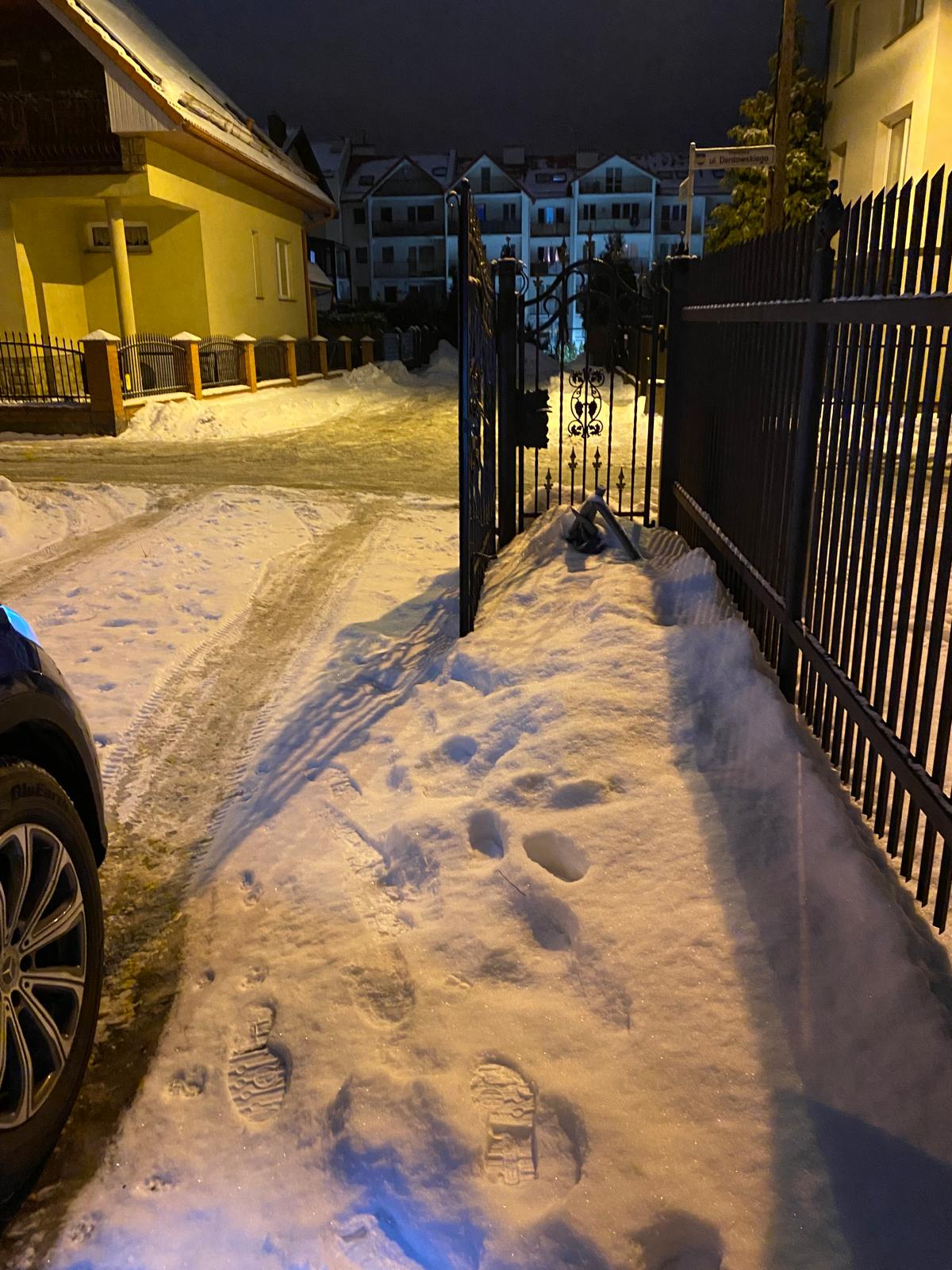
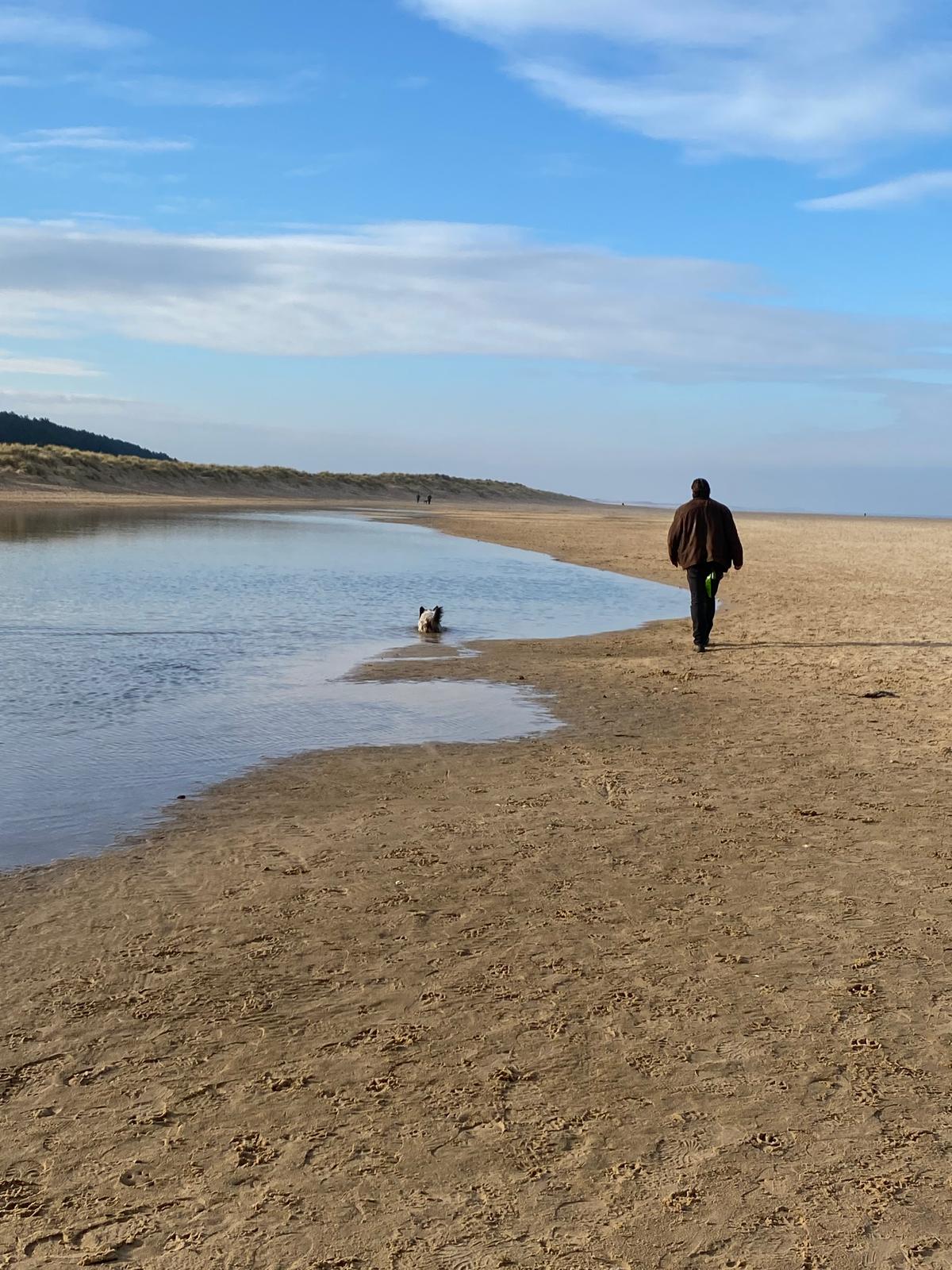
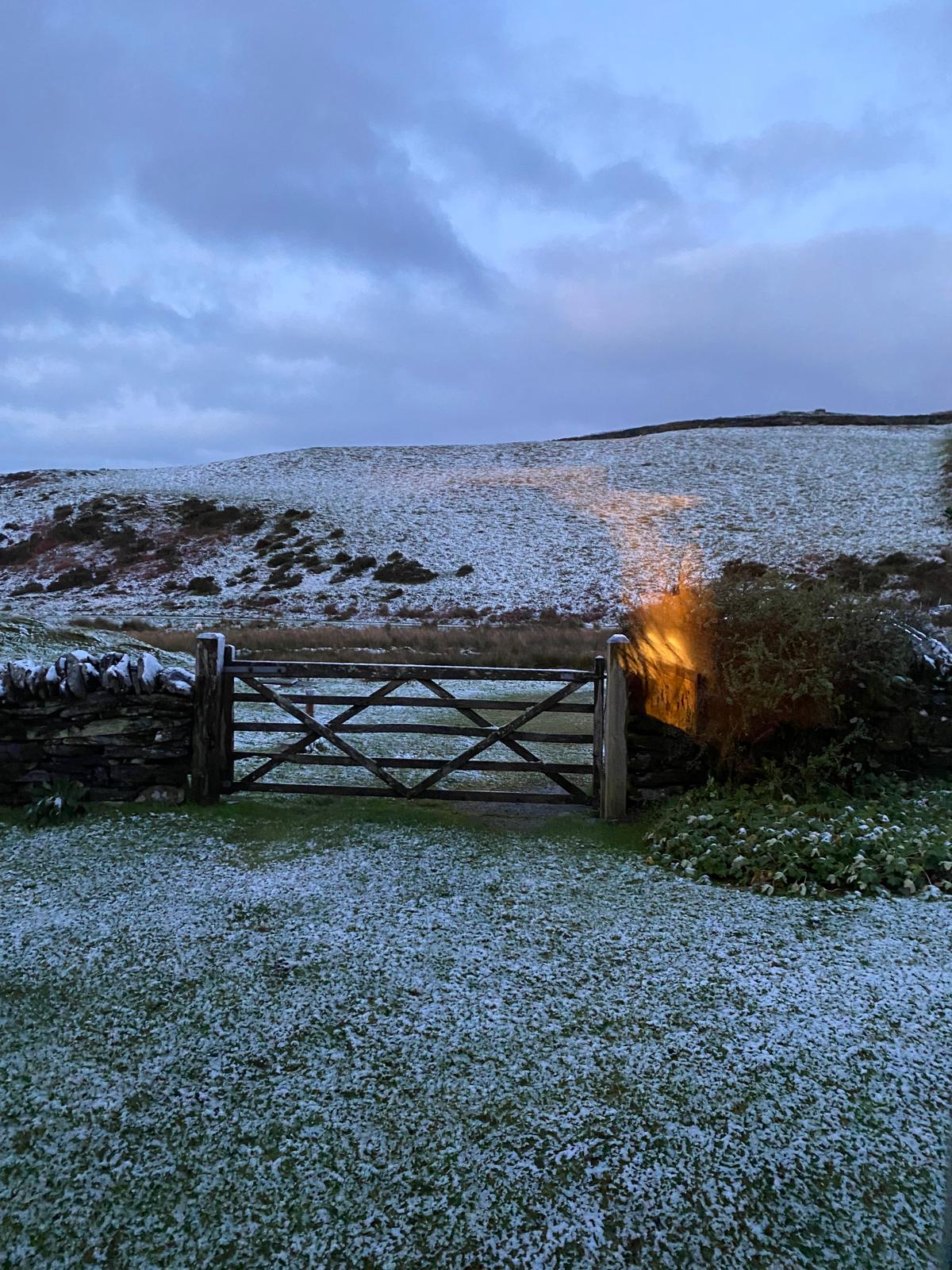
Will write again next week after my first supervision when hopefully I will once again be able to speak in words. In the meantime I’m not going to bang on about ICE or Trump or genocide or the climate crisis because being ill and busy makes you seriously short-sighted. Instead here’s a photo of the Polish snow (I love snow) and grumpy husband and Nolly-the- dog walking in Wells-Next-the-Sea the week before I got this lurgy, the week before my PhD first chapter wrote itself.
I love liminal spaces – marshes, tidelines, fens, doorways, veils, wishing wells – anywhere where one state of being merges into another. I like to call New Year’s Day, doorway day because, though human chronology is a man-made construct, new year’s still feels like stepping from the past into the future. Which is kind of why I’m blogging now – to log exactly that sort of moment – when I phase-shift into what’s coming next.
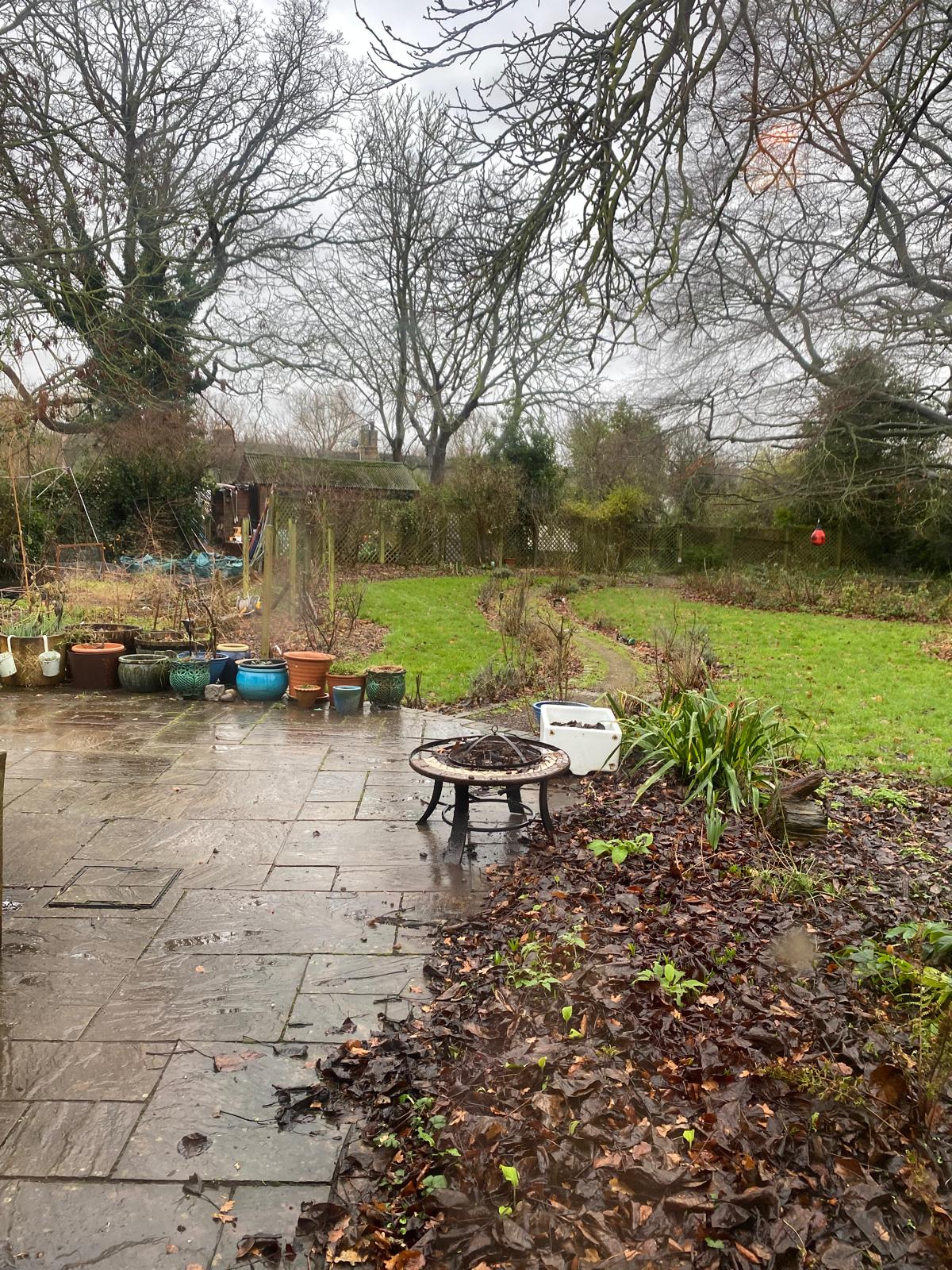
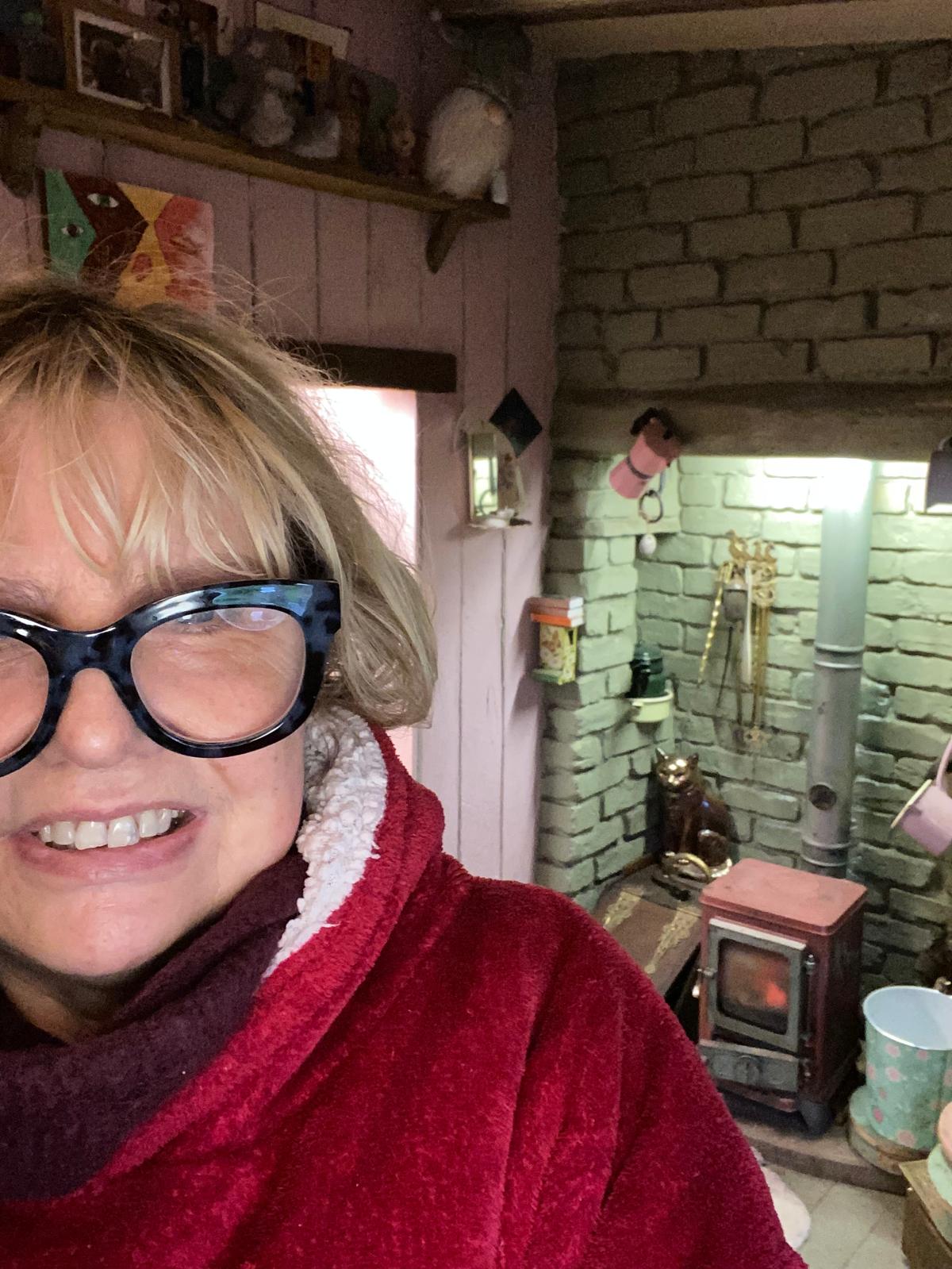
Here are two photos, one of the outside right now, just beyond my writing-space window, where it’s blowing a hoolie and lashing it down as the latest named storm, Goretti, batters the garden. And here’s me just behind the fragile glass , warm and toastie with my log-fire lit. Inside and outside so very close and so very different, separated most precariously by my liminal window. And inside, I’ve just enrolled on my PhD in creative practice at York St John – part-time and by distance learning. I’ve also just set up my student deets and activated my email. My student portal now says enrollment completed. That’s all I can do until I receive my registration email next week, so I am, really, genuinely and absolutely in liminal limbo before I start my PhD proper in February, which is why I am documenting the moment and taking stock on this exciting tideline day.
I’m going to savour the moment and think a little – do what the poets say and stand and stare because I know I’m on the brink of some seriously hard work but it feels exciting, bracing even, like I’m facing a raging sea at the turn of the tide, catching the salt on my face as I stare at the horizon .It’s my 61st birthday next week, another threshold to cross and then the rest of 2026 to look forward to. I have totally no idea what the next few year’s reading and writing will bring, but I have never been so up for anything, ever. .I may well be the oldest student in the village but I am so grateful for this opportunity and feel genuinely raring to go. Also, I’m going to document my PhD journey like I did my MA journey by blogging here and vlogging too most like, so watch this space if you’re interested in experimental flash fiction, silence in story-telling and/or horror novellas-in-flash.
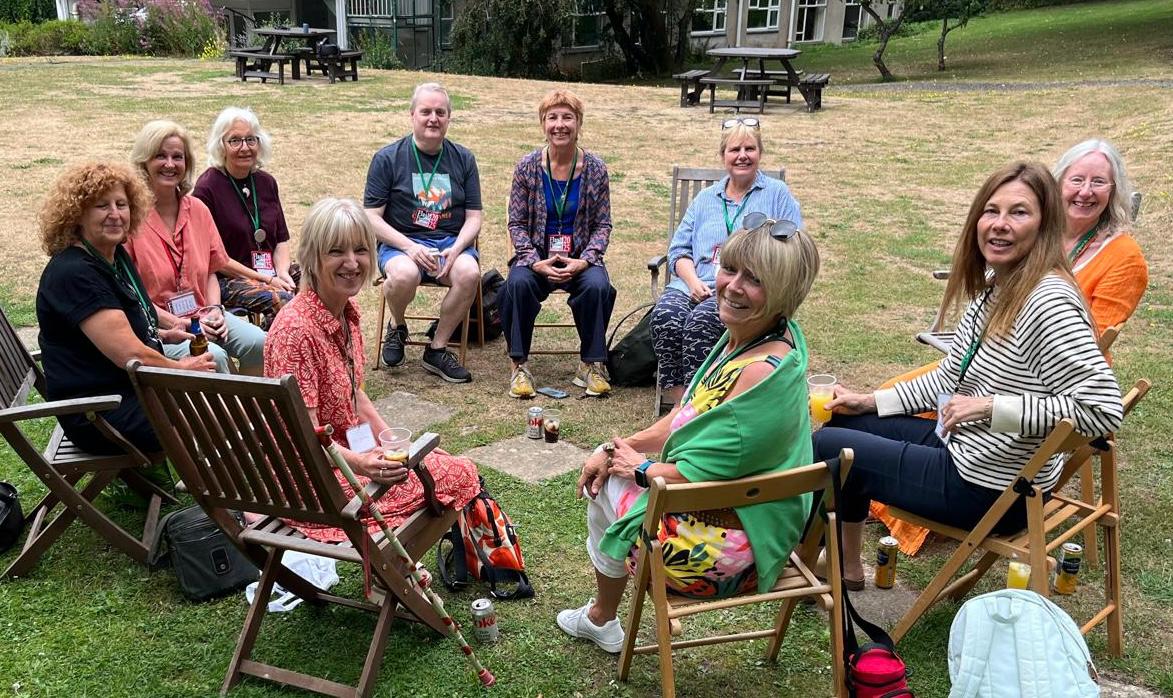
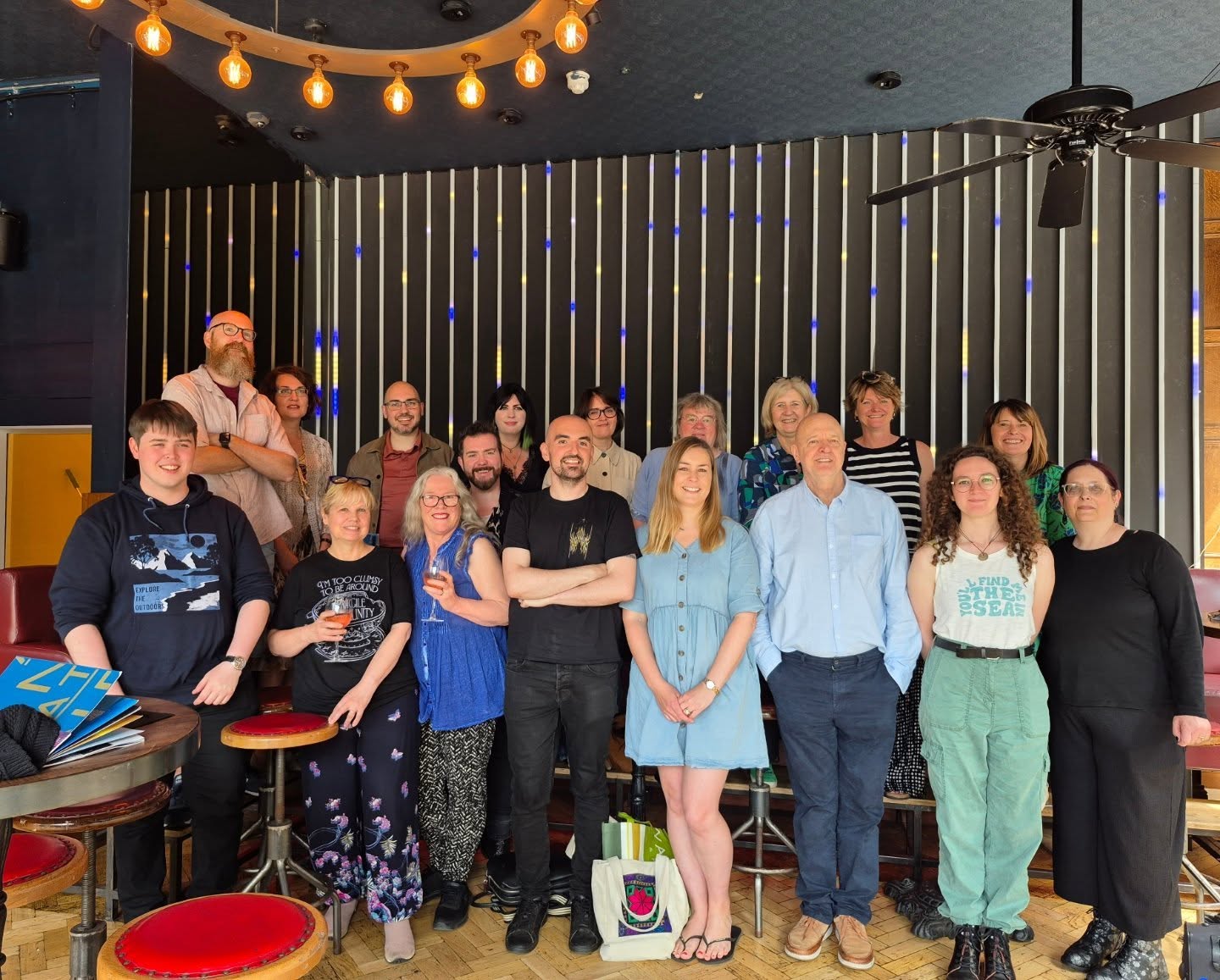
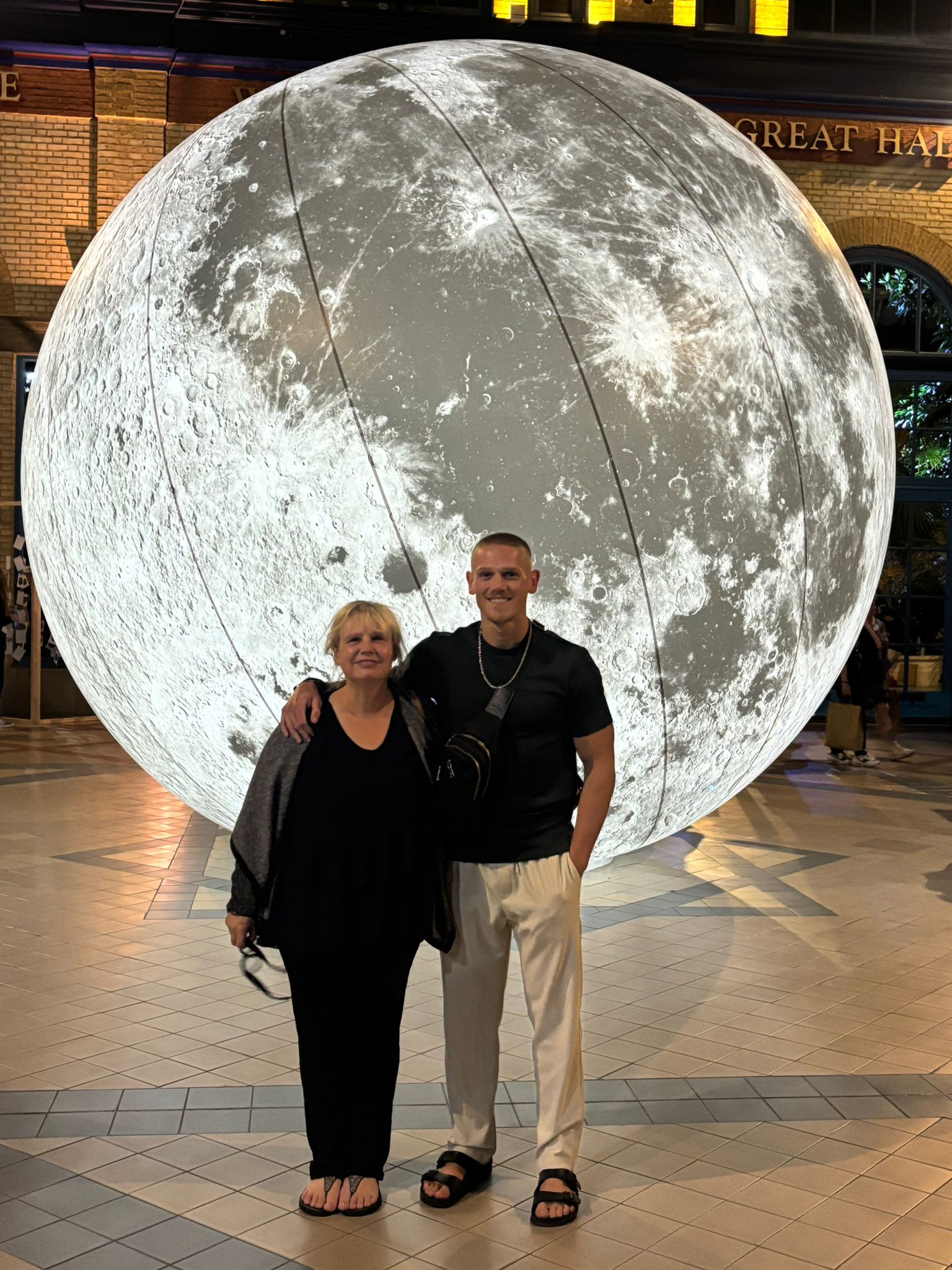
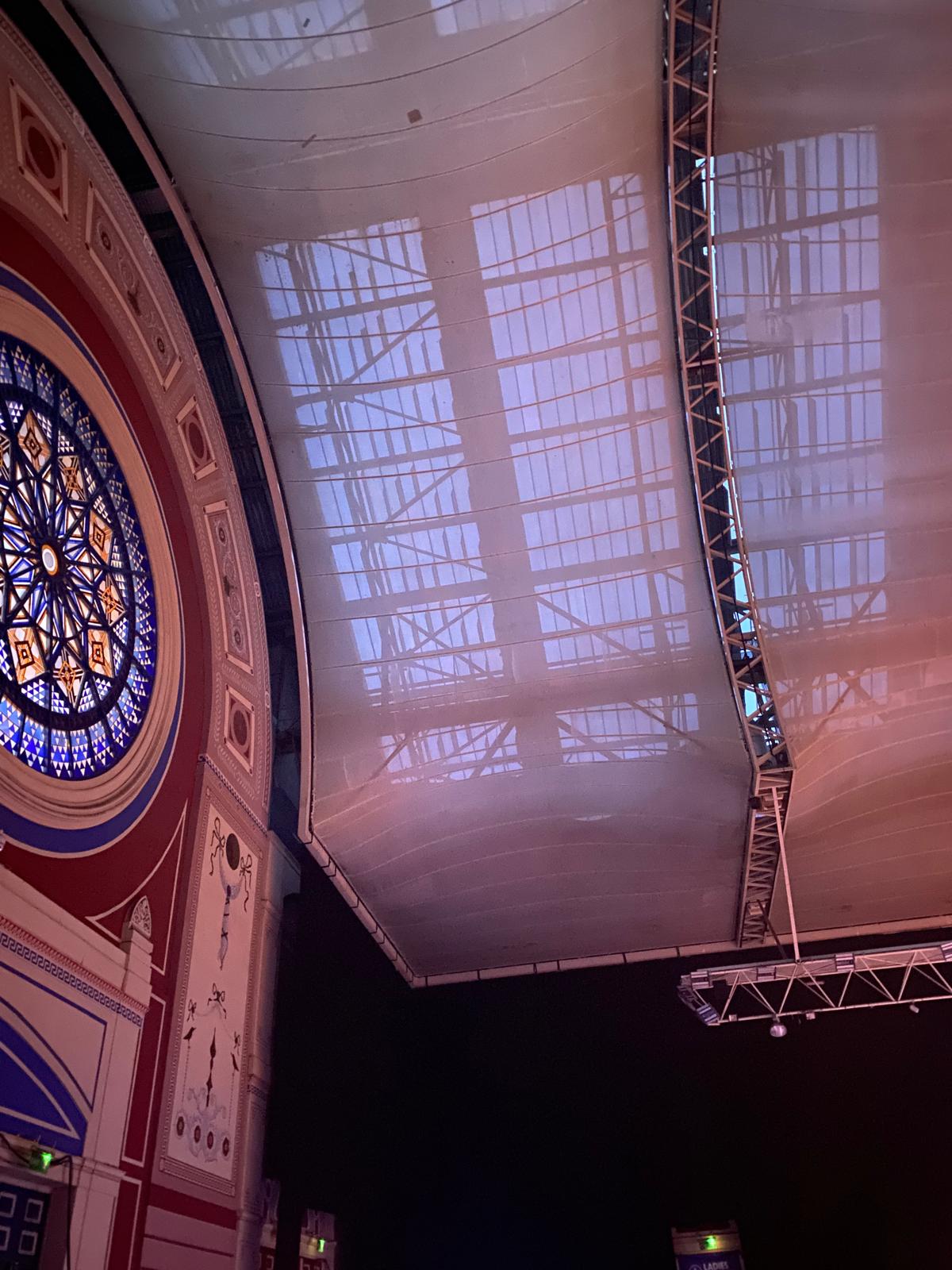
It’s been a weird year of ups and downs in these strange, unsettled and often dark times. Watching the news has been hard to stomach sometimes and writing about what’s going on, either directly or in fiction as subtext or allegory, has been hard too, and yet there have been really good times as I hope the photos below will illustrate. In 2025, I turned 60, my eldest turned 40, my youngest, 25; I went to Poland 5 times, had my 3rd book published, wrote (as yet unfinished) long stuff instead of flash fiction, read at several events including at Halloween, went to some fabulous concerts including Max Richter’s brilliant Sleep at Ally Pally with Harry, saw The Snowman at the Peacock Theatre, had a brill holiday in Pembrokeshire curtesy of bessie mate Clarey Fairy, stayed up a snowy mountain with grumpy husband, attended a wonderful wedding, grew some gorgeous flowers, did cartoons of grandpeeps and loads of crafts with them, watched my youngest son fight in the ring, met a constellation of stellar authors, had two sleeps at Gladstone Library, saw wonderful dawns and sunsets, went to Bat out of Hell the Musical with my Sis and walked up Winter Hill, saw my pup Nolly turn 4, had big fun at the Flash Festival and applied to do a PhD at York St John (more about this in the new year). The non-chronological montage of moments below is by way of documentation and also farewell to the year. Thanks for the memories 2025, but to say I’m looking forward to 2026 and all the writerly challenges it will bring is a wee bit of an understatement, and now we’re past the solstice, it seems like a good time to say farewell. So happy holidays blogosphere peeps. Hope the holidays bring some joy – and see you soon for a brand new start in a couple of weeks.