Mosaics

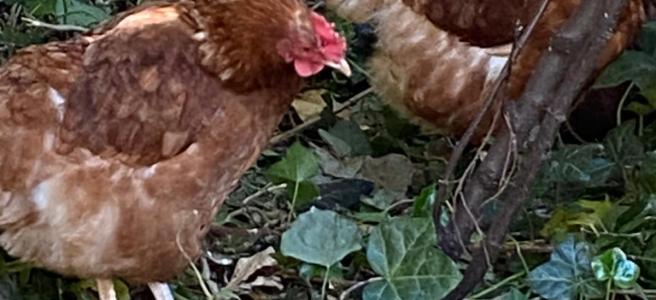
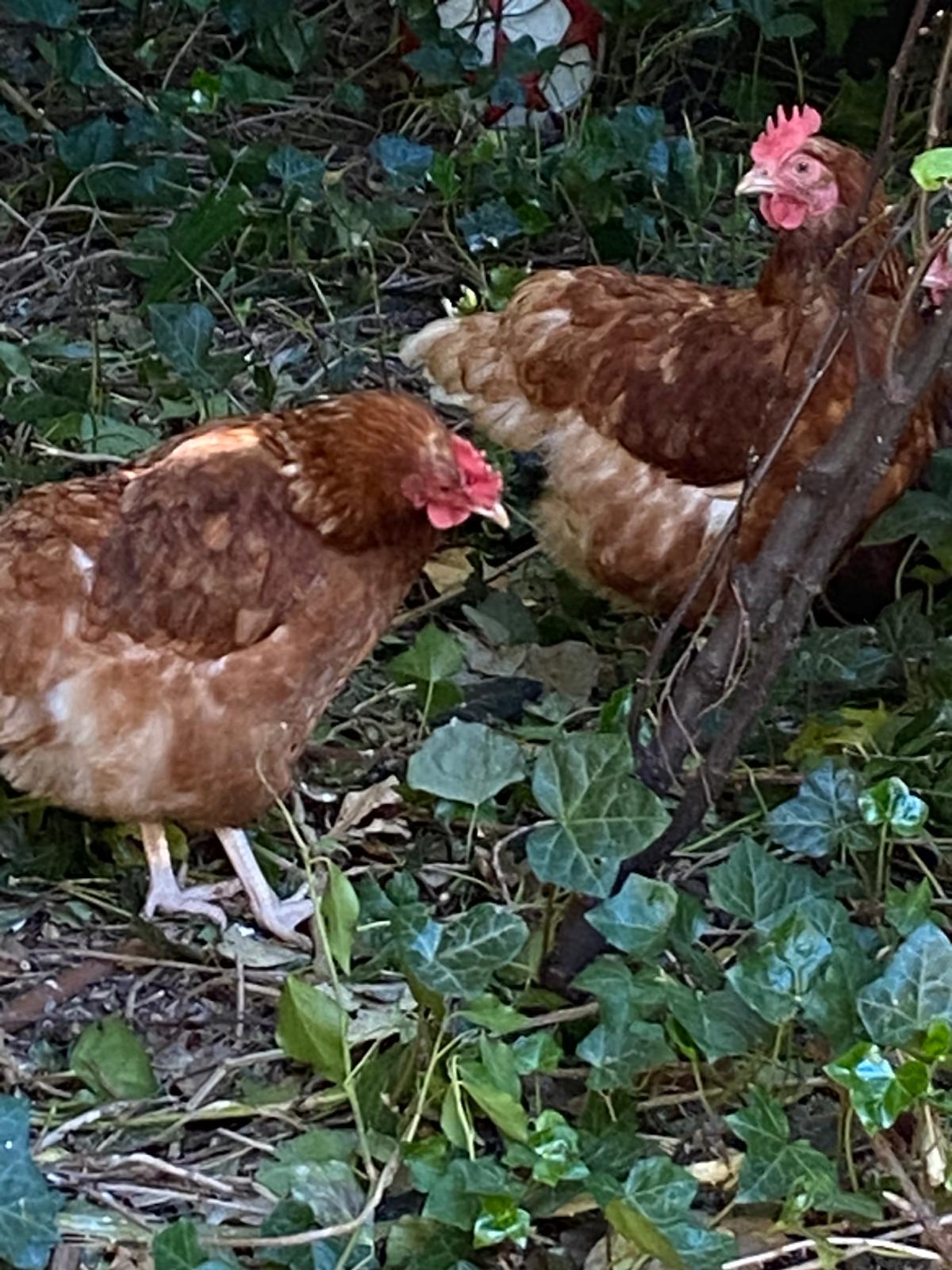
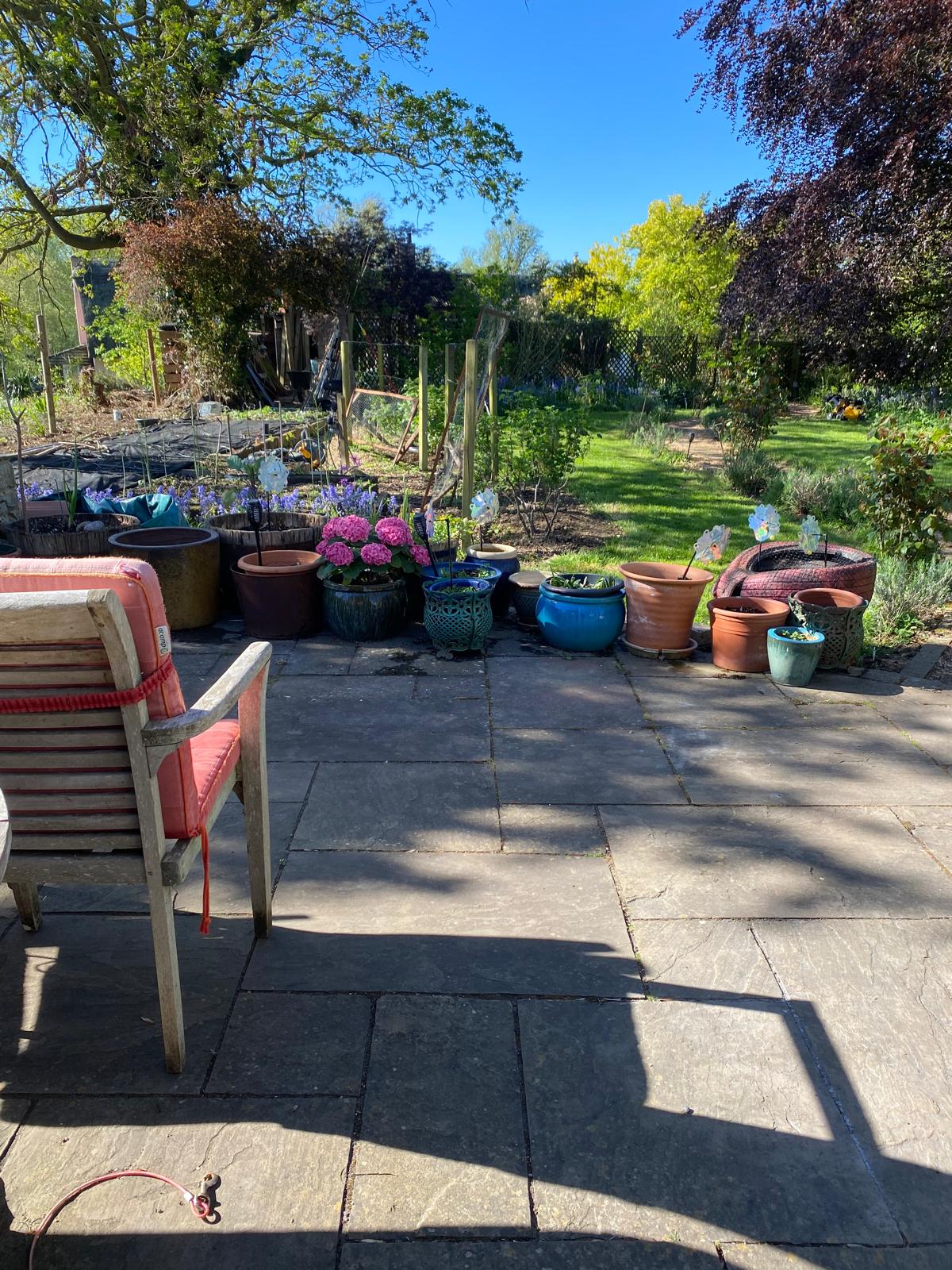
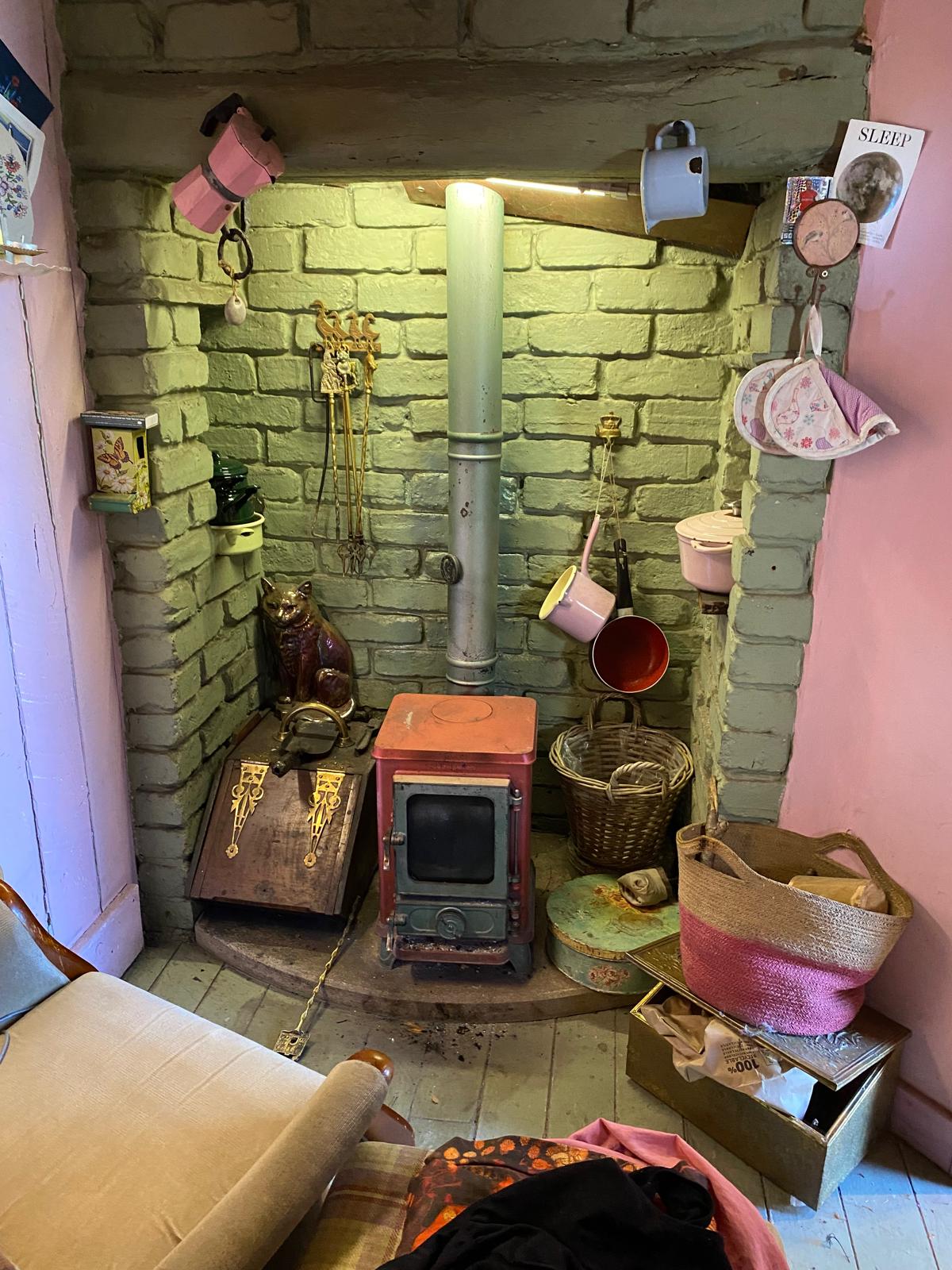
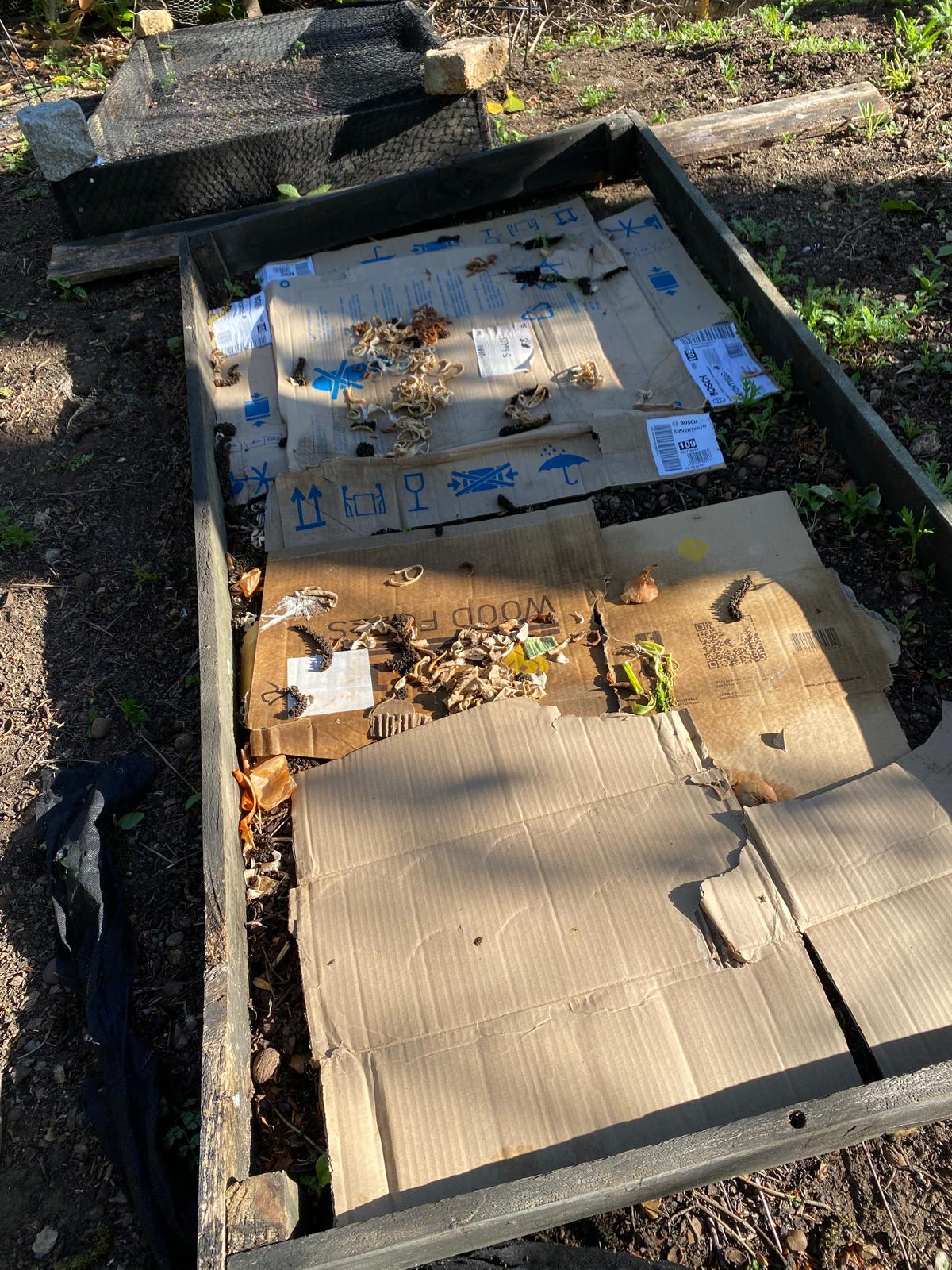
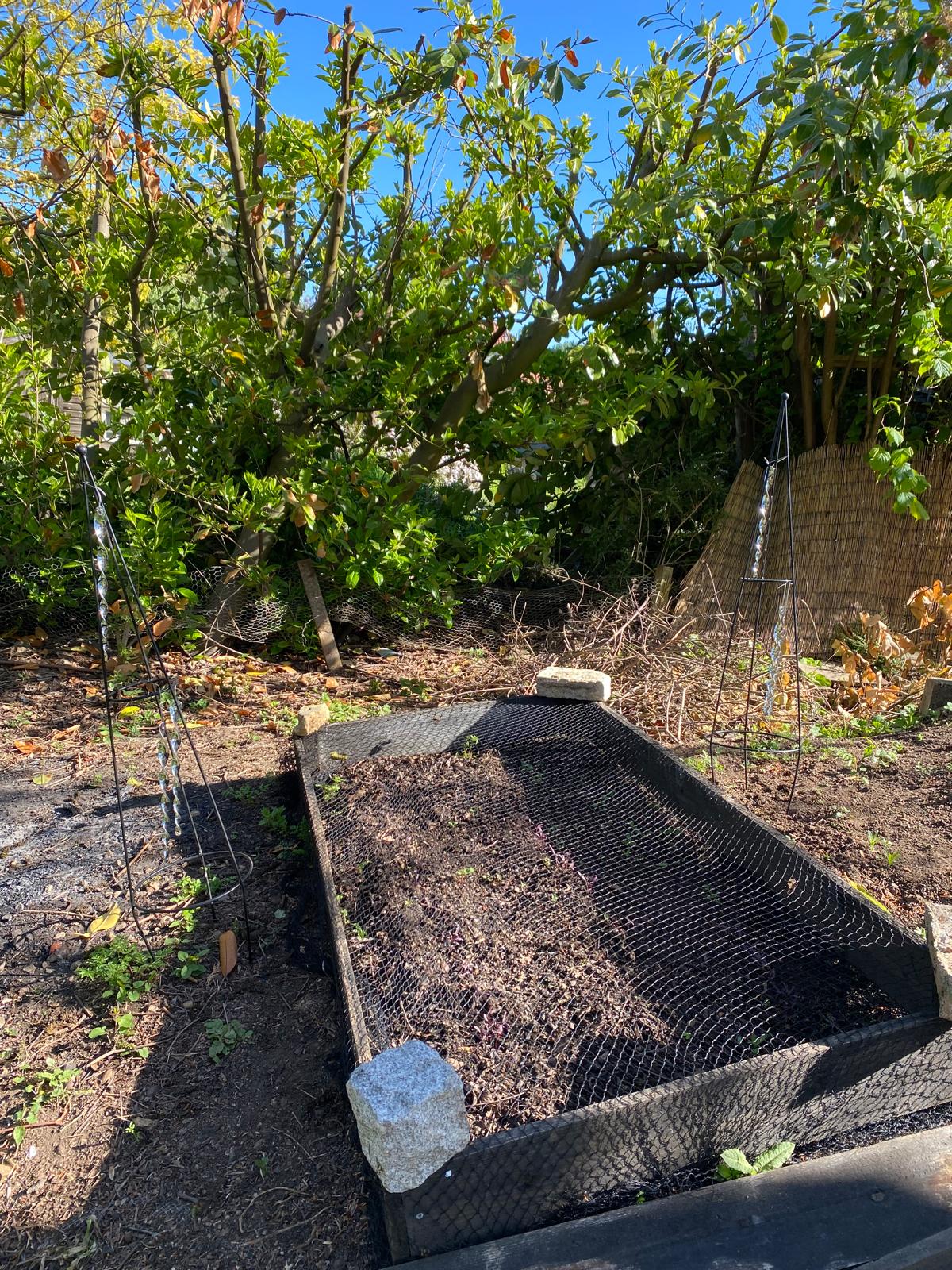
Above is a mosaic of photos that seen together illustrate the story of what I’ve been up to this month. The first photo shows the chickens! Yes, we’ve three rehomed chickens. They were industry layers and, as they’re now nearly two, would have been killed for meat. We collected them from a barn in Essex a couple of weeks ago and they have settled in really quickly. They are called: Bertha (not in the photo) and named because she’s big, Dawn, because she gets up first every day and Eggatha Christie, just because we could. We’ve had three eggs every day since day two of their arrival which we’re taking as a sign they’re doing okay.

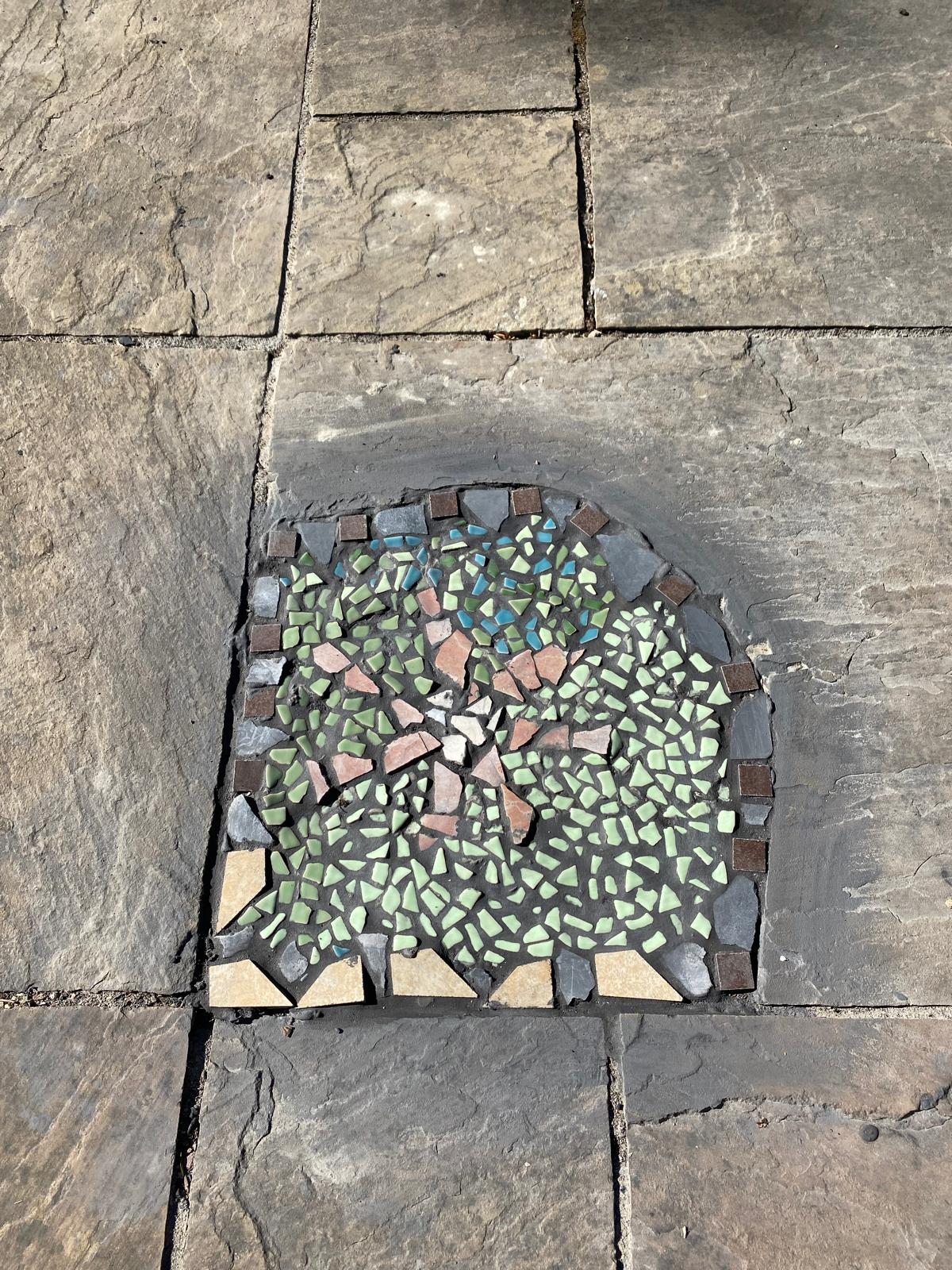
As you can see from picture two, I have also made an actual mosaic, on a bit of missing slab outside my writing gaff. The story behind that is, my son, George, his girlfriend Hannah and G’s best mate Joey were cooking burgers in my ex fire dish at Easter, when the bottom fell out of said dish delivering blazing logs onto the the stone slab beneath. Undeterred by this mishap, on they cooked, enjoying their burgers in the quiet of the night until the slab below exploded, showering them with red hot slivers of sedimentary rock. They put out the fire and (unhurt thank goodness) decamped to the barn down the garden (where G lives) and next morning, as they swept away the ashes and cleared up the remnants of the fire dish, they discussed with me what they were going to do to replace the slab. (Joey’s dad has an angle grinder and if they power washed the slabs they could colour match what was already there with a new piece of stone). I suggested a mosaic instead. Using some old bathroom tiles and repurposed bits of masonry from the ex fire dish. They said go for it if I fancied doing it. So do it I did. The photo depicts the result which I’m pretty happy with. It reminds me of Japanese kintsugi pottery repair that treats breakage as part of the history of an object, rather than something to disguise.

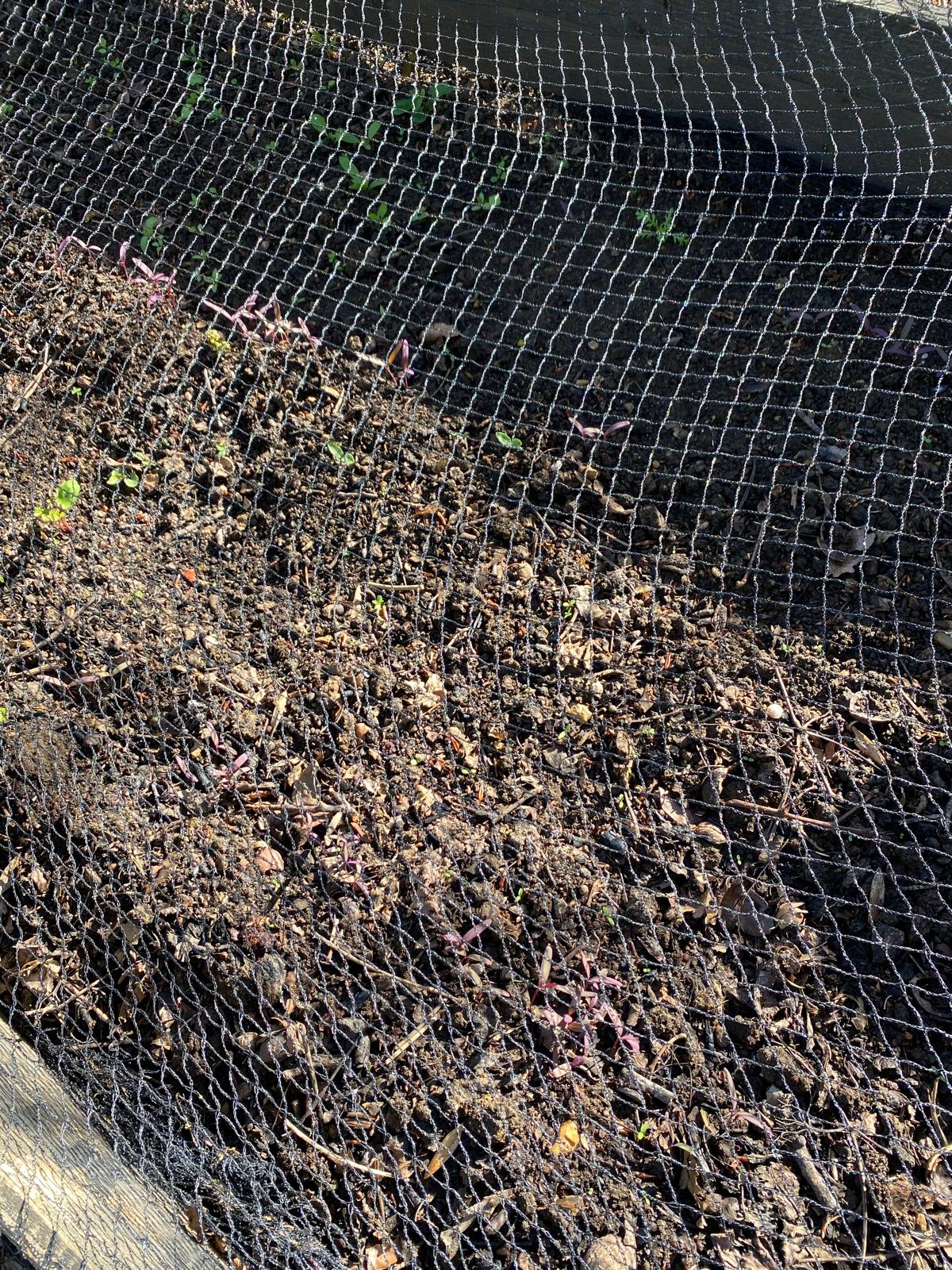
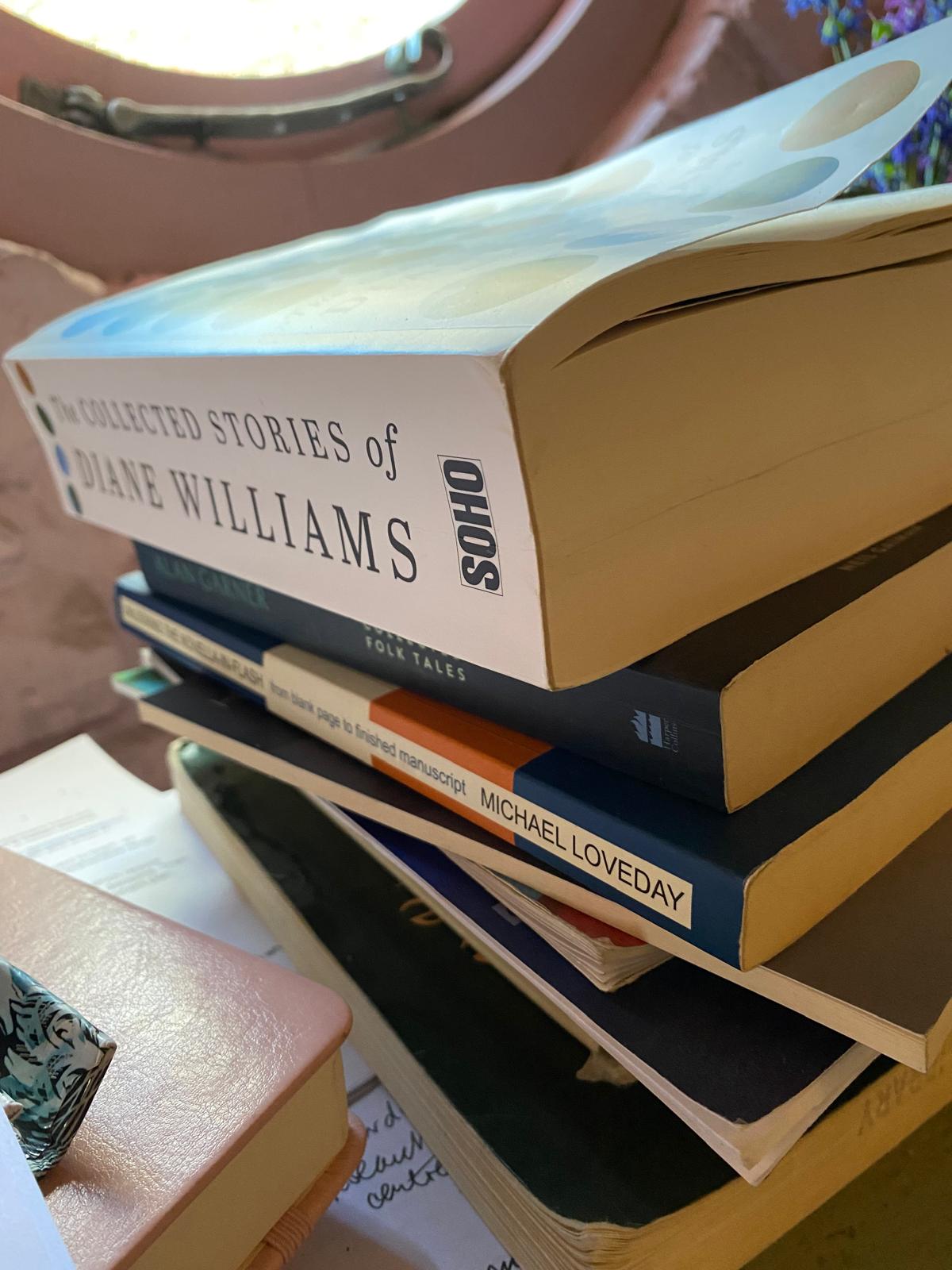
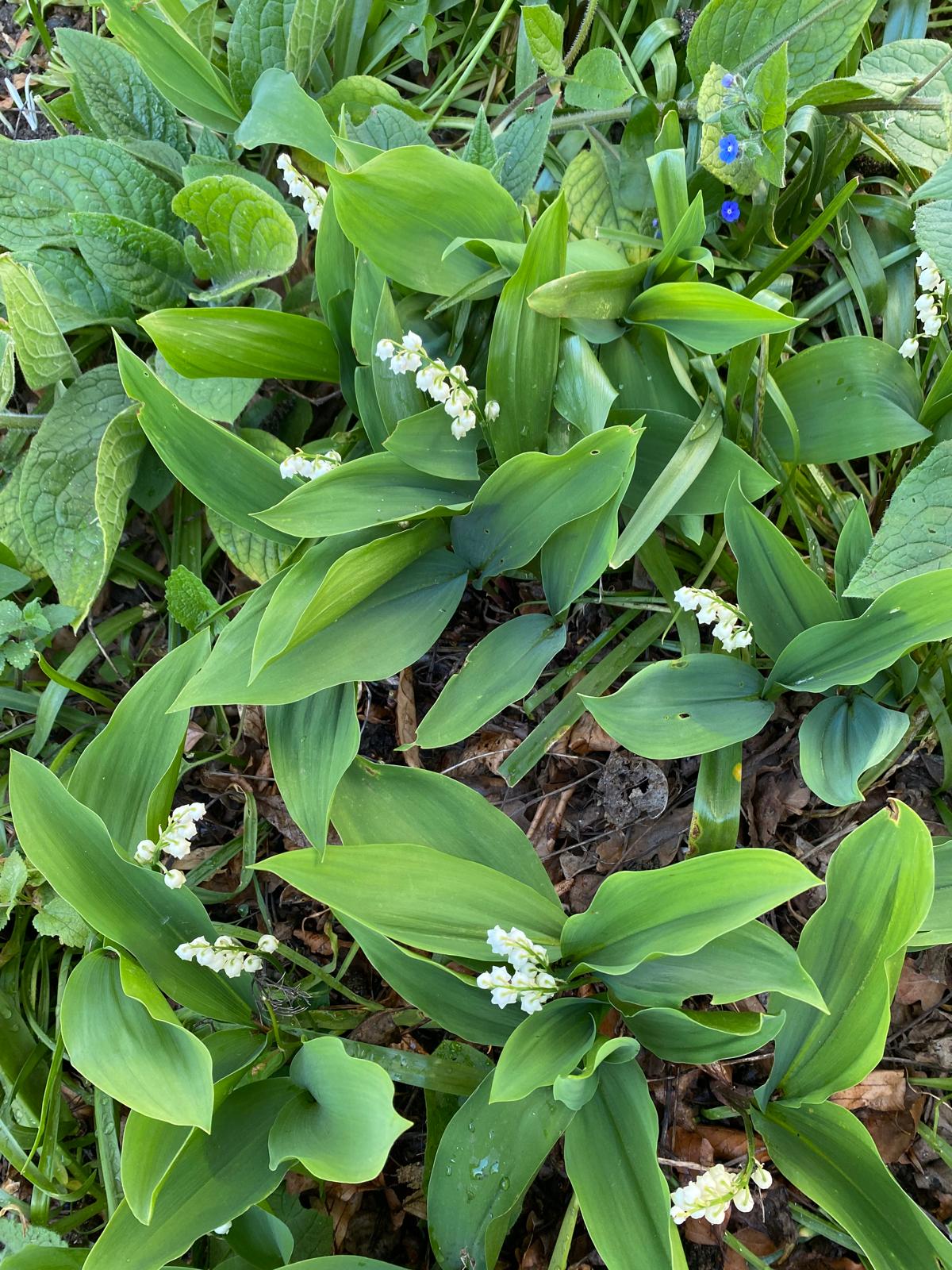
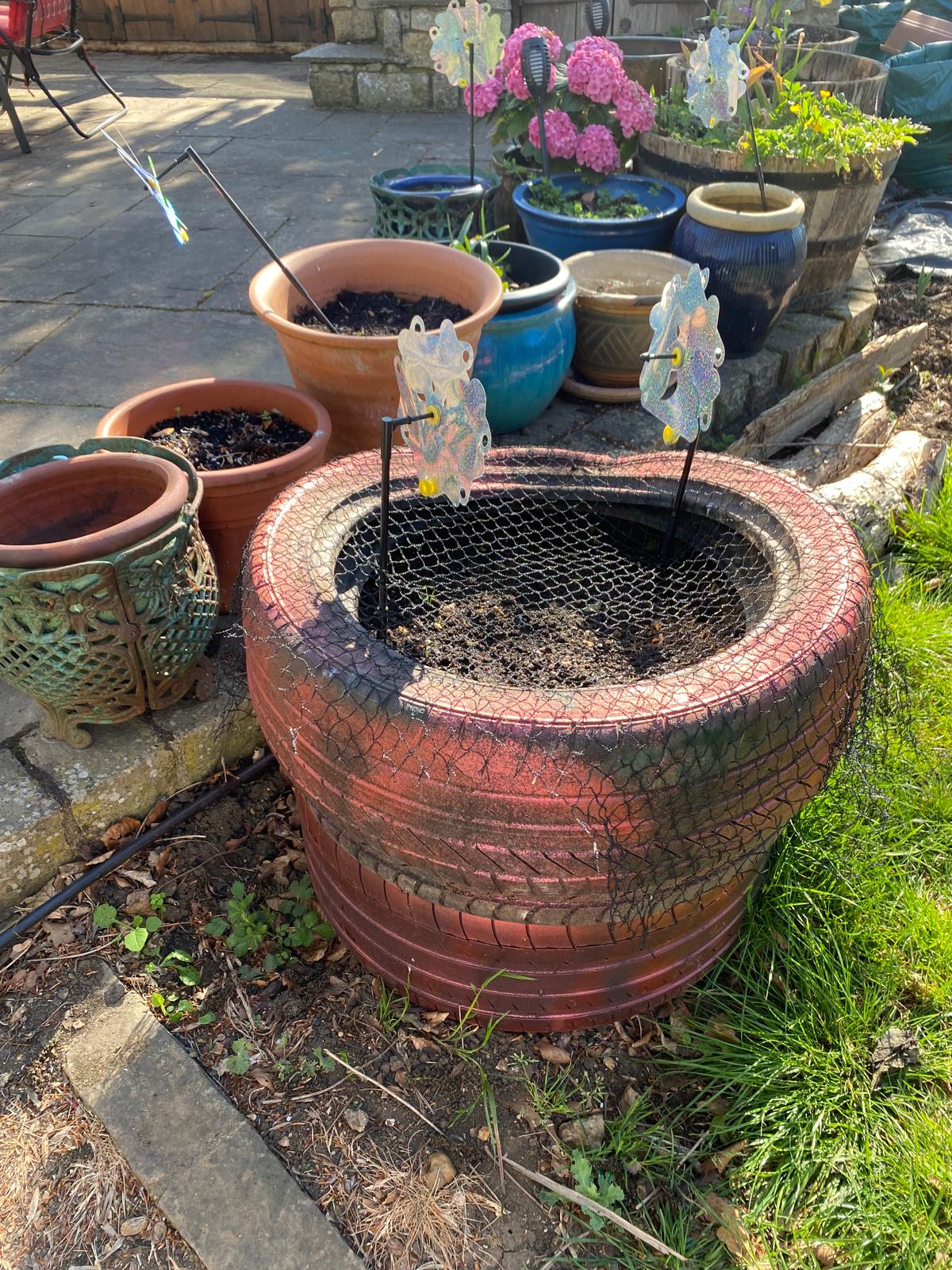
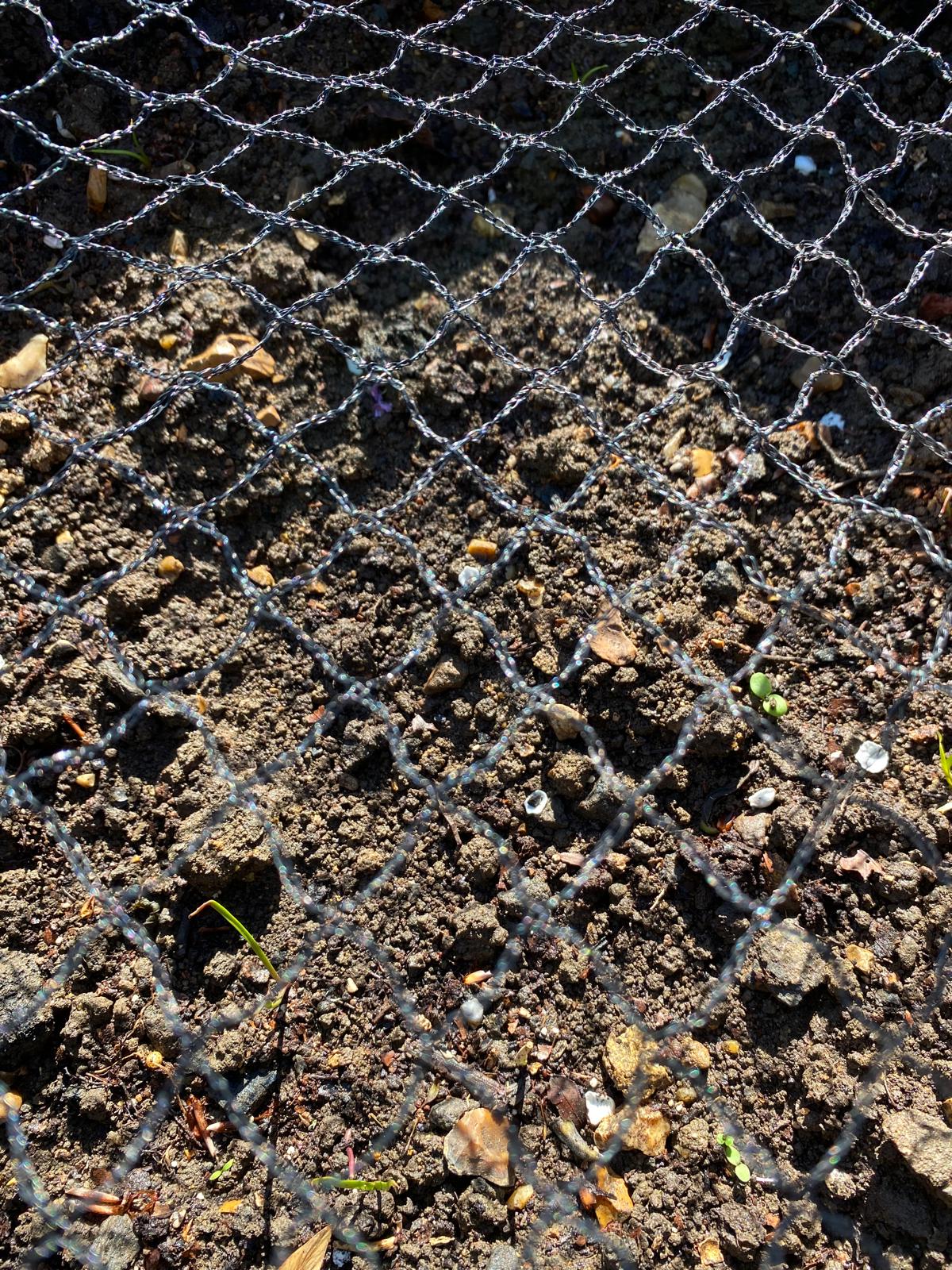
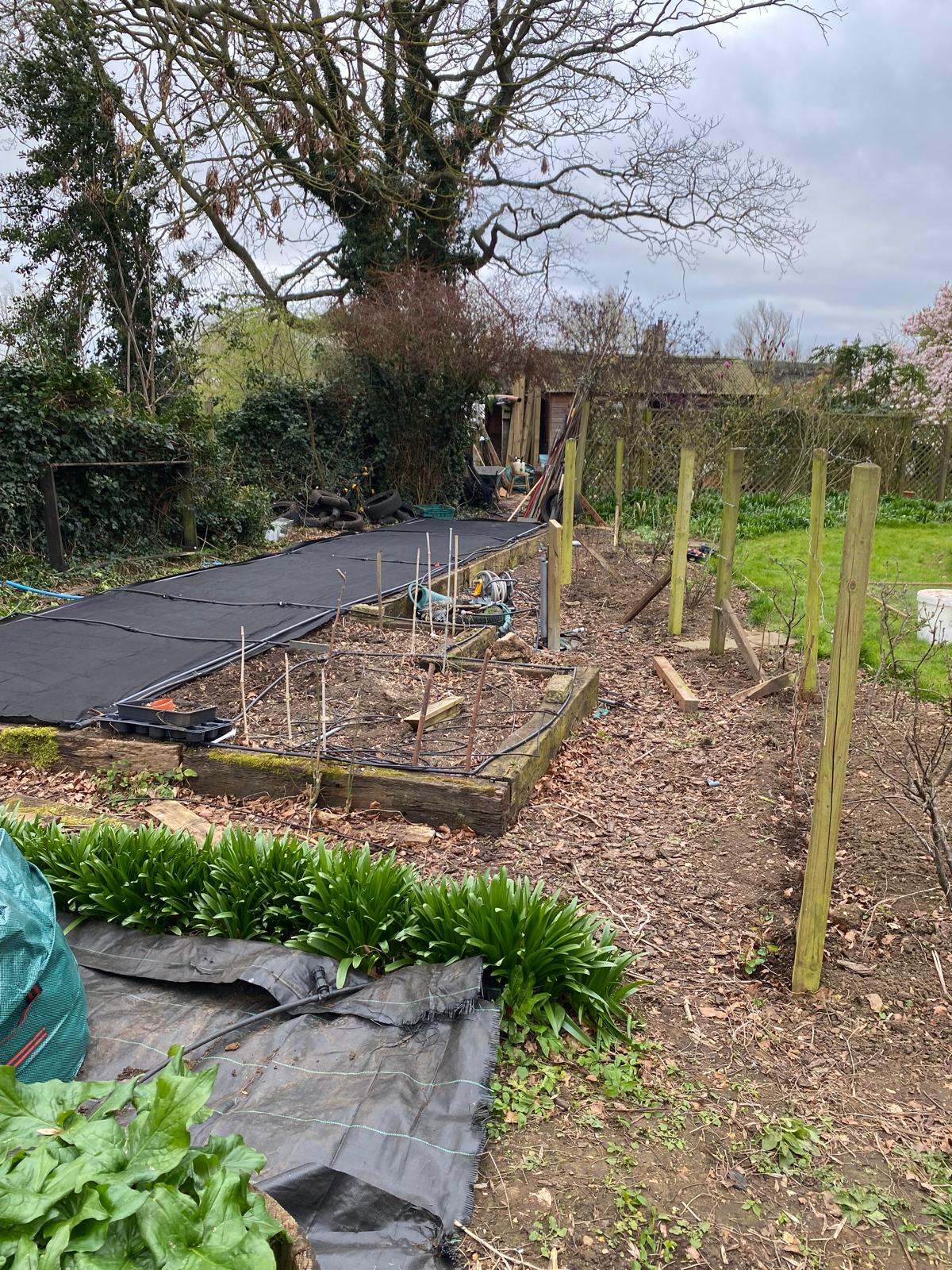
Also in the monthly mosaic pictures are photos of the medieval saplings as mentioned in my previous blog. The tyres which used to house spuds have been stacked and filled with soil and are now home to sprouted scorzonera or black salsify which was Emperor Nero’s fav veg, apparently. Also photographed is the no-dig bed I’ve started which is covered in cardboard and veggie peelings which will soon be covered in top soil and good king henry seeds, and also the new bed full of sprouting red orach which is the precursor to modern day spinach. It can grow really tall so it will be interesting to see how big it gets over summer. I’ve also included a photo of my outside chair where I have a brew after I’ve watered everything; my little patch of ephemeral joy, the lilies of the valley which fill spring evenings with a divine scent, like joy mixed with magic, and my reading chair where I sit when its chilly, fire-lit and focussed reading (this month) the pile of books I’ve also photographed.

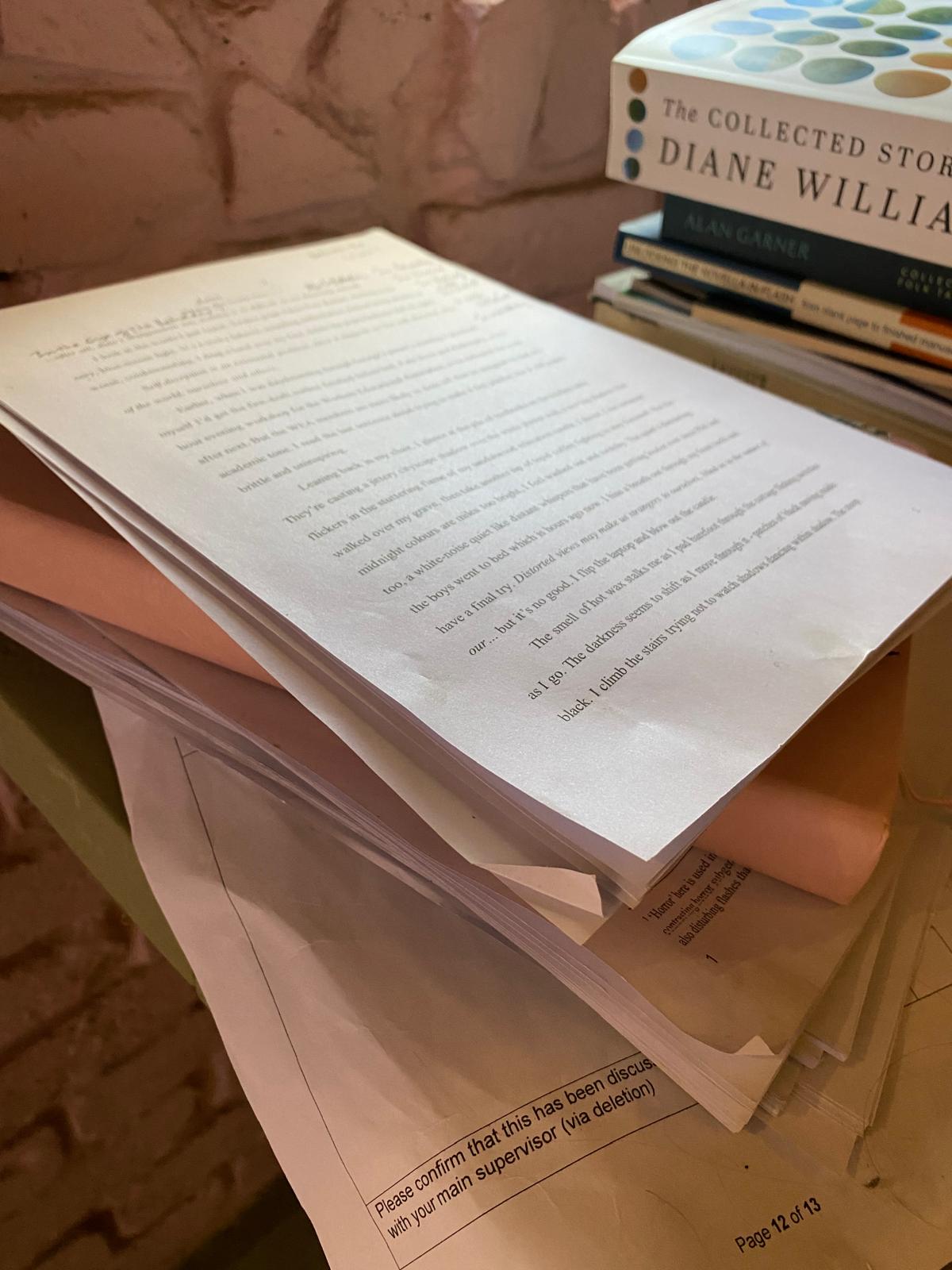
The last photograph is the short story I’ve been rewriting so it’s told ‘in-flash’. I’m doing this to better understand what telling a story ‘in flash’ is all about, as part of my PhD research. In a nutshell a story told ‘in-flash’ is a narrative made up of standalone flash fictions, each themselves under 1000 words, which when read together tell another, bigger story. The story can follow a conventional narrative arc or can be more of a mosaic narrative where the constituent flash fictions can be read in or out of sequence to reveal a bigger picture. It’s been a difficult task and is not yet finished. But I wanted to do it to see if it is as possible to write a short story ‘in-flash’ as it is to write a novella-in-flash, or if there are particular challenges involved. Turns out there are specific form-related challenges. The biggest of which, I found, is titles. Most novellas-in-flash have standalone flash chapters with titles, that mimic the form of conventional novellas. Short stories do not have chapters so this makes it more difficult. Difficult but not impossible I think, so I will continue to experiment and post the finished short story ‘in-flash’ here next month, to see what you guys think.

Another thing that happened this month which was too big a happening to include in the rest of the mosaic, was the passing of writer, friend, mentor, professor, poet laureate, editor of Radical Wonder and all round wonderful human, John Brantingham. He died very unexpectedly at much too young an age and I was totally shocked. John was the judge of the Bath novella-in-flash prize the year I won it, in 2023. I did not know him before this but after I won he was such a supporter of my writing journey – inviting me to read at events and championing my work. I am so so grateful to him for all he did and to have known him at all. Silver Birch press will be producing a book of flashes and poems written in memory of John and in thanks to him too. I wrote this micro which will be included.

Six Things I did because of John Brantingham

1) Won Bath Novella-in-Flash competition

2) Felt a genuine connection in the light of his feedback

3) Saw my courage shapeshift in that generous light, from pearly-grey points of windblown fragility, to solid roots of earth and malachite

4) Began a late-life PhD from a grandma’s perspective — a last-blast road very nearly not taken

5) Composed earnest demurmurations loaded with protest to keep myself sane in these frightening times

6) Became bereft of words. Silent. Straining to catch fragments of echoes he left, then was blown away, hearing so many, like a chorus of comfort, like a radical wonder

Forgotten Crops and Narrative Possibilities

Six weeks ago, I watched a documentary on YouTube about veggies grown in medieval times that, despite easily self-seeding, outgrowing weeds and having mostly better nutritional value than modern-day replacements, have fallen out of common knowledge. Supermarkets don’t stock them as veggies and mainstream seeds catalogues don’t sell them to grow. The reason they’ve fallen out of use (and it seems most memories) appears to be that they don’t fit in with modern day big farming methods. They either take a while to establish and so do not provide a quick return on investments, or cannot be easily machine harvested and so are expensive to crop, or need eating quickly once picked and so don’t have a long enough shelf life to make them financially viable in supermarkets.

I found all this out by accident, as a result of looking for veggies you can plant out later in the growing season because we’d had to take our greenhouse down. Between the start of Feb and last week the greenhouse has been out of use in order that a diseased horse chestnut tree could be felled. The tree surgeon said he couldn’t guarantee the greenhouse’s safety in the face of felling such a huge and very rotten tree directly over the top of it. So take it down my husband did. It was meant to go back up the following week but a flurry of named storms blew in making the felling too dangerous and so we had to wait a further five weeks to put it back up. Thus our seed growing window was heavily reduced which provoked my online research for veggies that can be planted and/or germinate outside spring. I’d had some success with pak choi last year which you sow straight into the ground after the last frost so I was quite confident there would be veggies out there we could look at. The greenhouse went back up last Friday and will be the starting point for this spring’s regular seedlings for tomatoes, courgettes, pumpkins and beans, but in addition to these, this year we’ve now prepped the soil and made space for a whole new selection of forgotten crops that will start to get planted in April and finish getting planted in Autumn (some of the seeds need to overwinter before germinating).

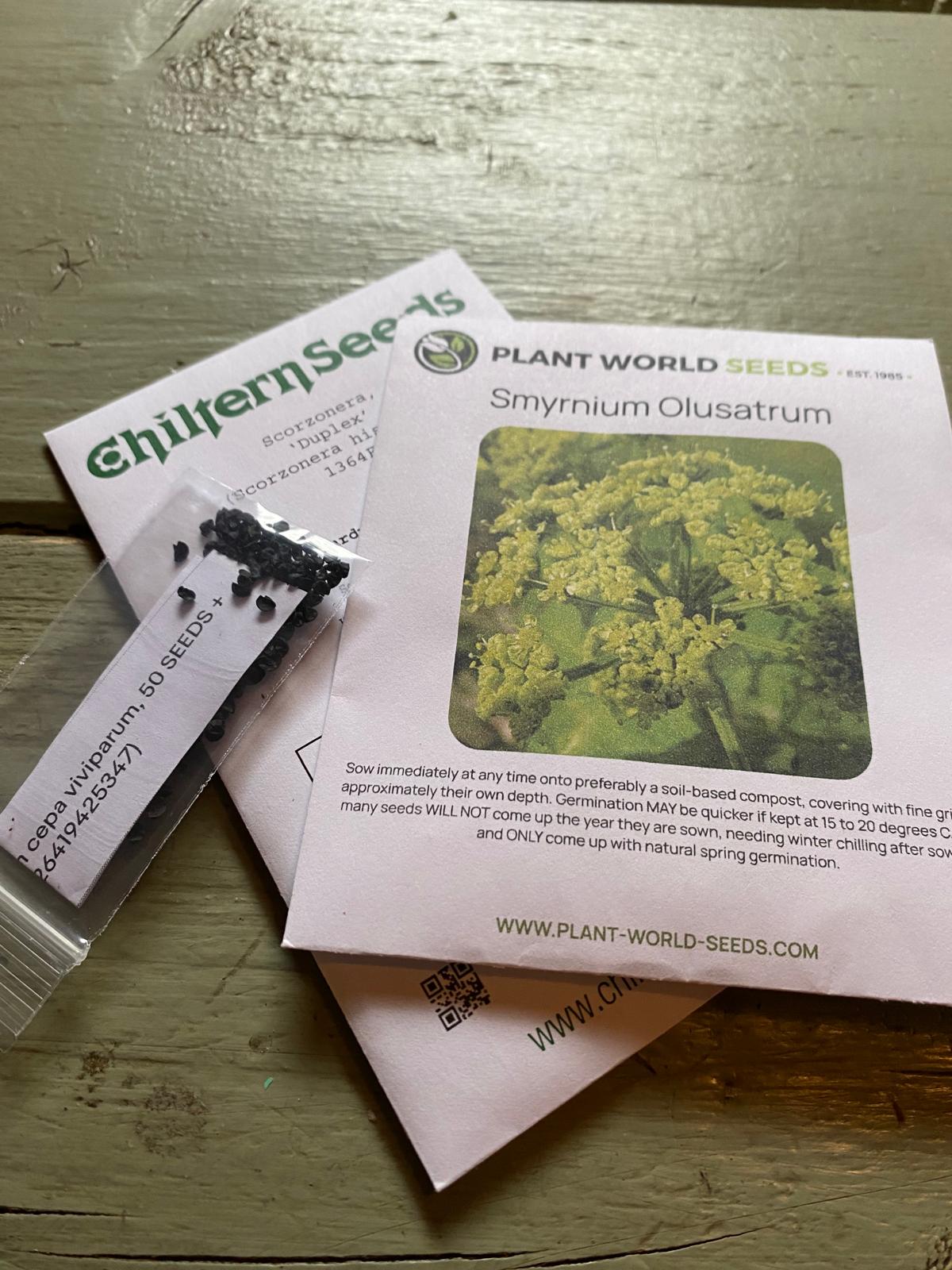
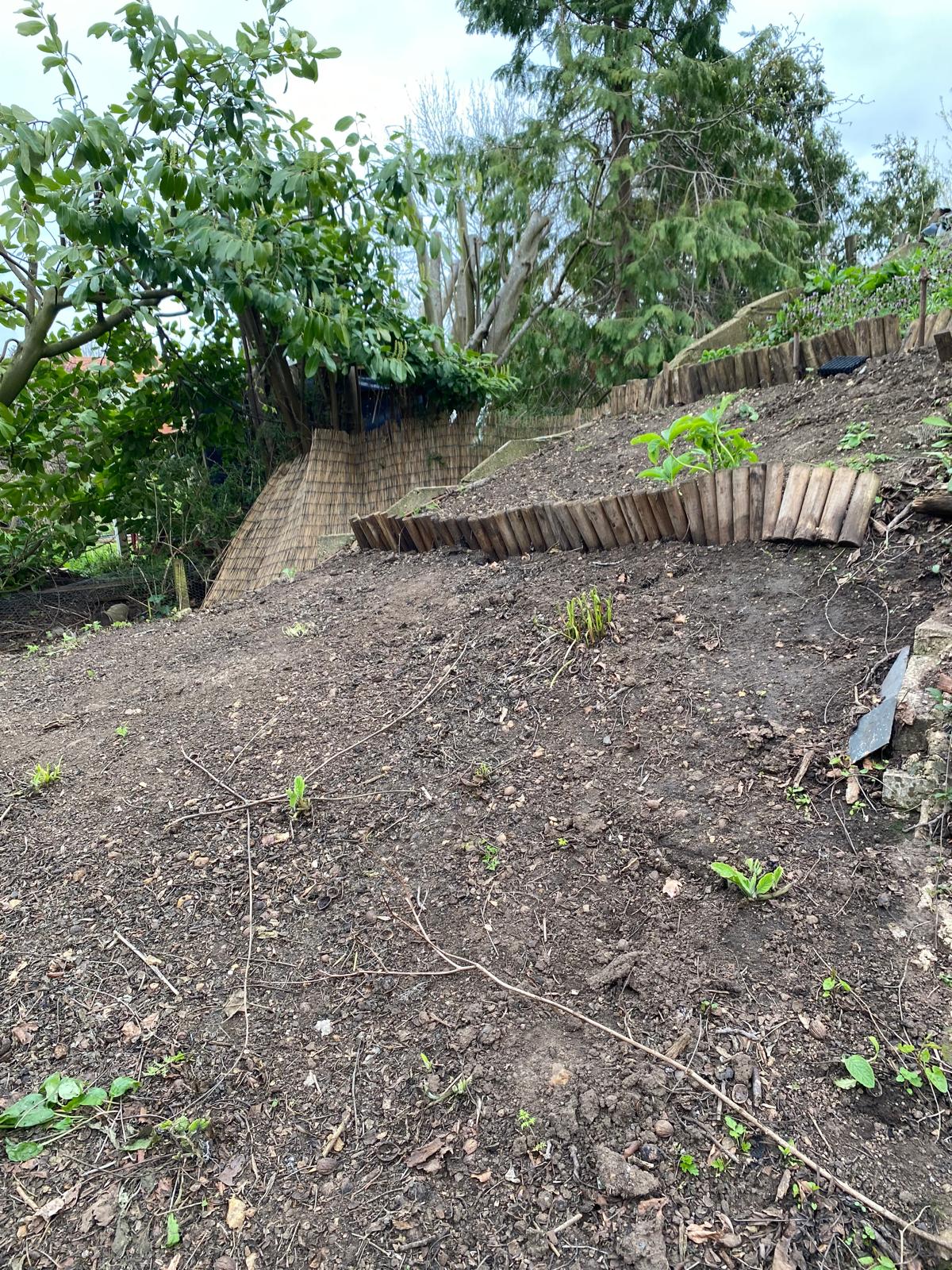
It has taken a fair bit of research accessing the seeds but hey I’m a research student now, so have been using my newly learned transferrable (it turns out) skills to get six strangely named new (to us) veggies that used to be the mainstay of potager’s gardens in the UK for hundreds of years before industrialisation. Sadly there is one I haven’t been able to source yet but I will keep on trying because I love the idea that we’re bringing something old (and to us, new) back to life (hopefully). Also, having lots of different crops that reseed and look after themselves seems like a great way forward and much more suitable to a potager’s garden like ours, so much better than growing line after line of thirsty, modified plants like commercial farmers do, that need constant watering and weeding and replacing every year. Hope this new system will mean less gluts and dearths, and that having small amounts of different veggies that come up in sequence will add interesting variation to our diets. I’ll document what all the new seeds/plants will be in my next blog, and also where I bought them from, so anyone who’s interested can try growing some too. (you can see three on the photo at the start of this blog). And here’s a couple of photos of the prepped soil ready for all the lovely seeds to take up residence.

Whilst all this seedy stuff has been underway, I’ve also been beavering away at my PhD research. I had my second supervision meeting yesterday which really cemented in my head how much I love these meetings. They’re a mixture of: touching base, getting expert perspectives and guidance, a cheerleading session for those of us (i.e. me) with persistent imposter syndrome, reporting back on stuff done since the previous session and setting a goal/target of things to do /talk about next time. Both my supervisors are truly expert in their fields, their minds brimful of knowledge. I count myself as very lucky to have them as mentors. Below is a flash fiction style narrative list of some of the things I’ve done between my first and second supervisions.

  1. Written a draft first flash for my PhD creative component novella-in-flash (I say first but it might not be first in the story, just the first to get written).
  2. Read 3 novellas-in-flash, and the novel Waterland by Graham Swift which isn’t written ‘in flash’ because the chapters are too long, but which uses many of the component, restrictions and techniques I’ve been identifying as characteristic of ‘in-flash’ writing; read A Lover’s Discourse by Roland Barthes (I say read but I mean struggled with.
  3. Read everything I could find by Mark Fisher who is a postmodern genius.
  4. Attended researcher develop training sessions on: setting up a thesis doc in Word, Managing Perfectionism and What Should a Literary Review Do?
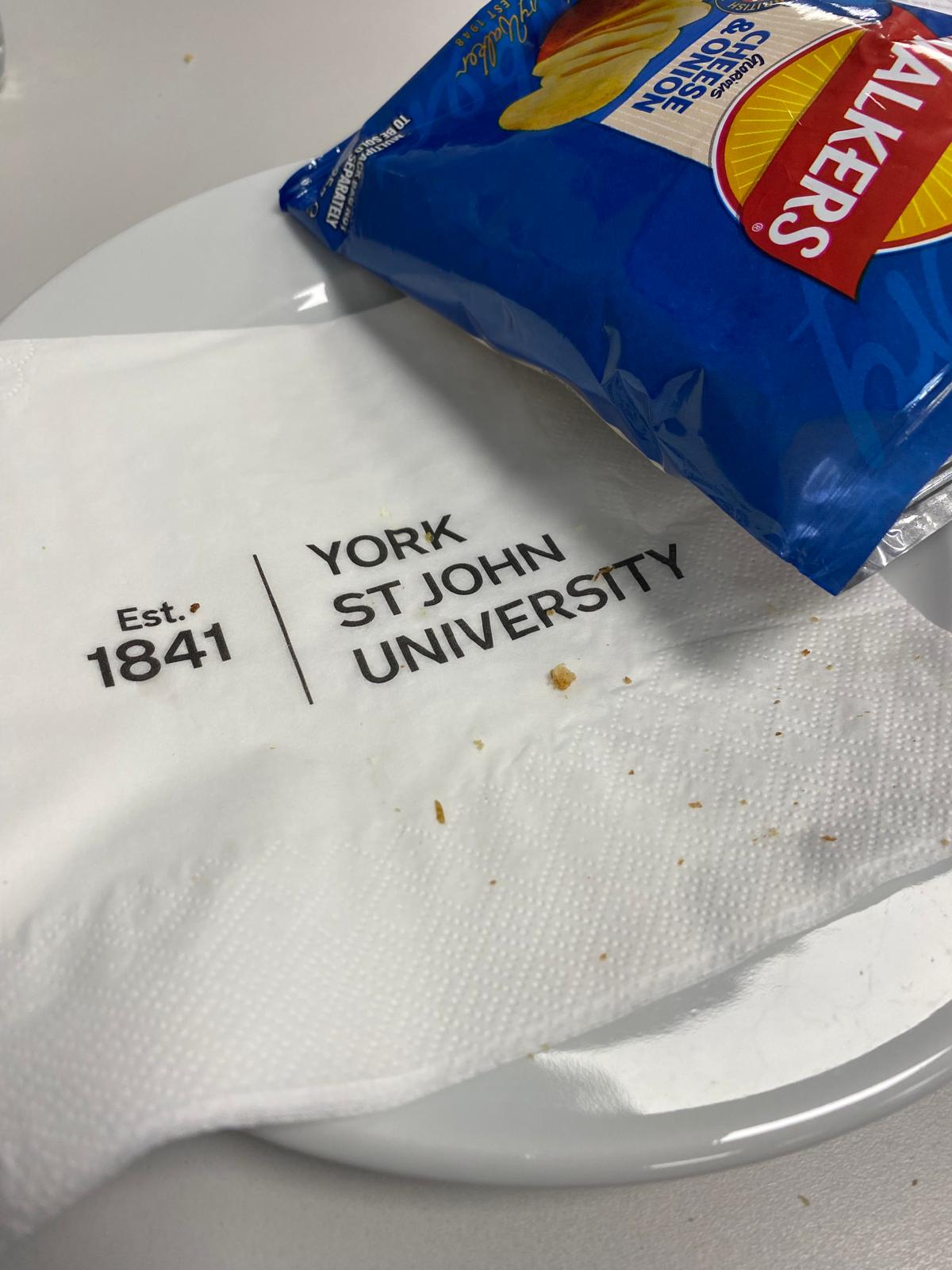
  5. Won a York St John Uni International Women’s Day Poster comp prize for ‘best feminist engagement’. My poster was displayed in the post grad centre for IWD and students voted for the winners. There’s a copy of it at the bottom of this blog entry. I got a certificate (I love a certificate) and a £15 voucher which I intend to spend on wine and tacos. Very pleased I took part in this, because flash lends itself really well to posters I reckon and I’m now properly interested in doing more so…
  6. Started another poster for the Humanities Post Grad Research Annual Flagship Event in May, which, this year, is going to include the launch of journal Curiositas, a new publication established and staffed by postgraduate researchers from the School of Humanities. Alongside this launch will be a celebration of postgraduate research currently taking place across the school in the form of posters done by the postgrad researchers themselves. These posters will aim to give a taste of projects underway and I’m going to enter one for my project. I’ll post it here when it’s done, but starting this poster made me realise that writing ‘in-flash’ needn’t be constrained to novella, and that, in fact, I’ve written micros ‘in-flash’ already. I’m putting a micro I wrote ‘in-flash’ on the poster. This 300 word micro is made up of three standalone drabbles which when read together imply another story. This made me question what writing ‘in-flash’ truly is.

In order to try to find out I’ve decided to take a short story I wrote a couple of years ago, which was published in my collection, Hostile Environments and rewrite it so it’s told ‘in-flash’. I chose a quite fragmentary short story of 2200 words that’s not, (I think,) written ‘in-flash’ to investigate similarities and differences. So, as an experiment, I’m going to restructure it, so it becomes what I reckon is an ‘in-flash’ story, and then, describe what I think defines the change.

It could be all or none of the following: making each fragment narratively complete and standalone; making each (now) standalone flash be 1000 words or less; giving each individual standalone flash it’s own title; making the ending of each now standalone flash ring like a bell to give readers moments of narrative pause; making the bigger picture of the combined flash fictions less narrative arc and more narrative mosaic; bringing white spaces to the page after each interior narrative ending, therefore foregrounding emptiness and silence so they become an integral part of the story-telling. Then, I’m then going to write an essay about what I find out. Should be pretty interesting.

Seems to me I’ve been having quite the accidental learning time over the last few weeks. I’d never have thought about doing this essay without having started the poster, and I’d never have known about medieval veggies without the gone-greenhouse. Really does make you think about knowledge, its acquisition and perpetuation. Hardly anyone knows about novella-in-flash let alone what ‘in-flash’ storytelling is, and though everyone used to know about medieval veggies, practically no-one does anymore. It’s like there’s a hierarchy of well-known stuff that if it becomes too generally accepted, pushes other alternatives out of existence. I’m starting to think that might be the case with creative writing too. Short stories that don’t comply with long-accepted shapes very often don’t get published. They need a narrative arc with rising action, a crisis, a climax to be thought of as any good. And you have to have a character who changes or goes on a transformational journey. Well work ‘in-flash’ very often doesn’t do these things. I wonder if that’s why writers don’t give it a go? Maybe ‘in-flash’ writing’s face don’t fit the current publishing industry, that wants cliff hangers and page turners and nothing all that new. Maybe ‘in-flash’ writing is a bit like forgotten crops – not able to thrive in the face of big business and profits. It’s defo a thought.

And so it Begins (again)

I have no voice (speaking not writing) because viruses are no respecters of folks’ first weeks on their part-time PhDs. Got back from Poland the week before last, where I had to make a quick unexpected dash due to my eldest son’s nan passing away and him having to leg it back to the UK. My wee grandpeep Leyla was off nursery with a cold which I of course caught during the few sleeps I was there. Now 10 days later, I still have only a squeaky whisper where my voice usually is and a throat that feels as raw as a very,very raw thing indeed. Still, I feel loads better than I did last Tuesday – my online induction day – which I’d been looking forward to for weeks, no months, no all my whole postgraduate life, in those daydream moments when I envisaged in a far off future having the time/qualifications/talent/cash to do a PhD by Creative practice – so it was a proper bugger when the day finally FINALLY arrived and I felt like death not all that warmed up and couldn’t wait for it to bloody end.

But that was last week and now in week two despite this throat from hell I have:

my first supervisory meeting set up for next Monday

a working postal York St John library account, with two books from my huge reading list ordered and one ebook downloaded. Said books are: Barthes, R. (2002 [1977]) A Lover’s Discourse: Fragments; Alison, J. (2019) Meander, Spiral, Explode: Design and Pattern in Narrative and Barthes, R. (1989) The Rustle of Language. These are from the indicative reading list I put together when writing my proposal

a student ID card with which I can access loads of other libraries

Sconul access which means I can borrow books/have access to e-books from all UK unis

a York St John email address

access to Microsoft 365

a first rubbish draft of the first flash fiction for the novella-in-flash I will be writing as the creative aspect of my PhD by creative practice (working title) Artifact. I say first flash because it will be the first one I write, but it wont be the first in the novella

this quick rubbish blog entry to chart my progress thus far.

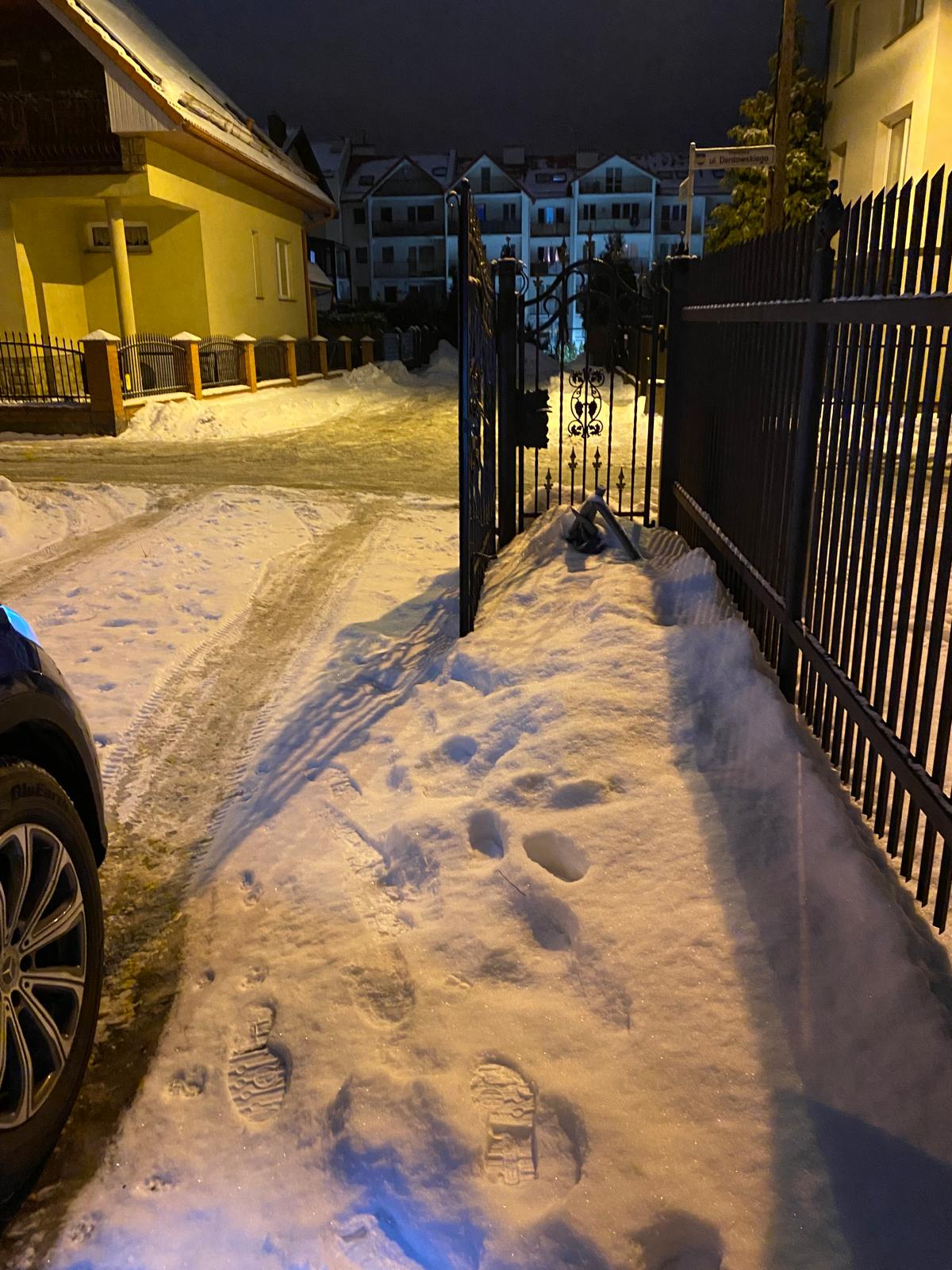
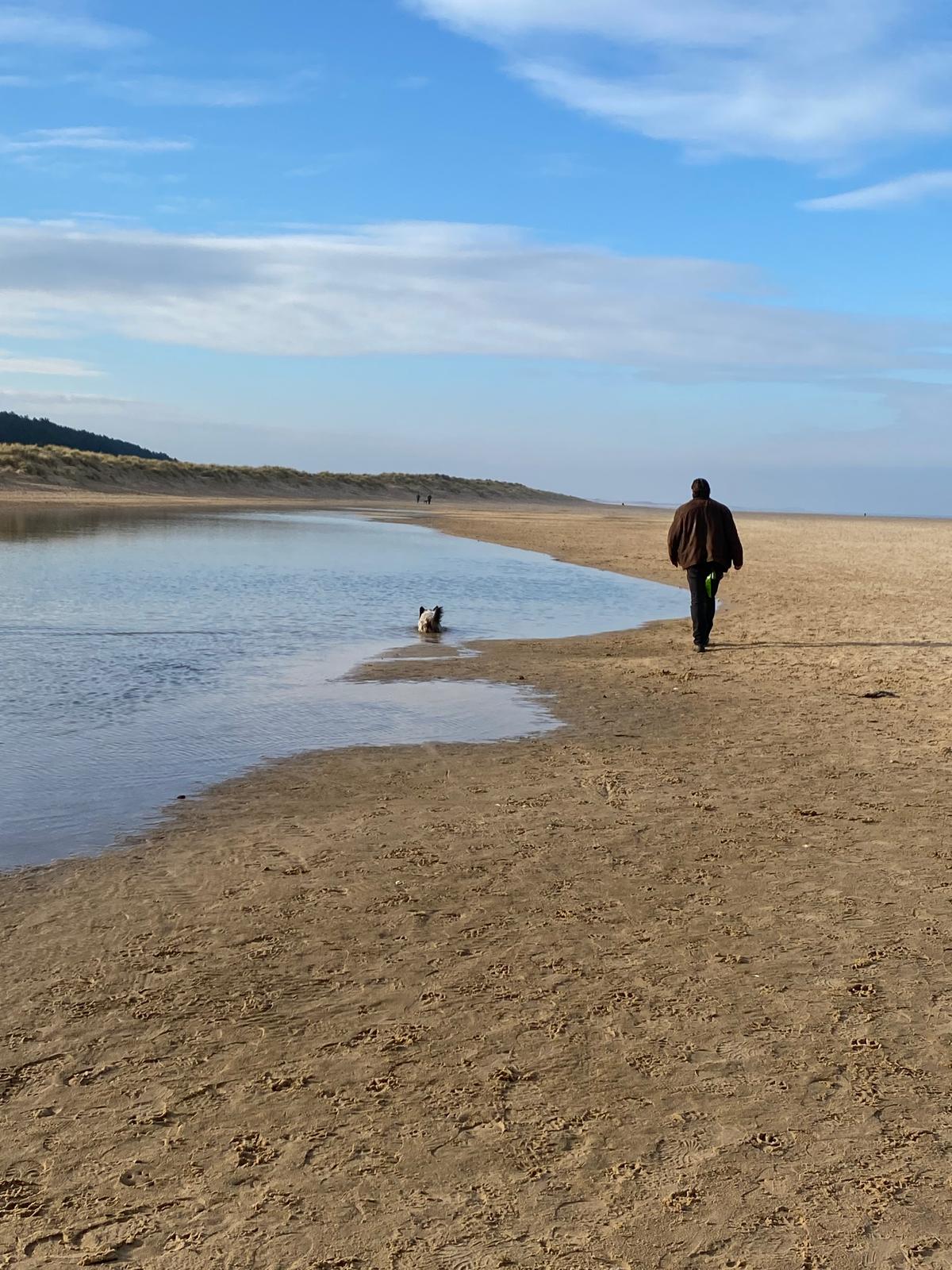
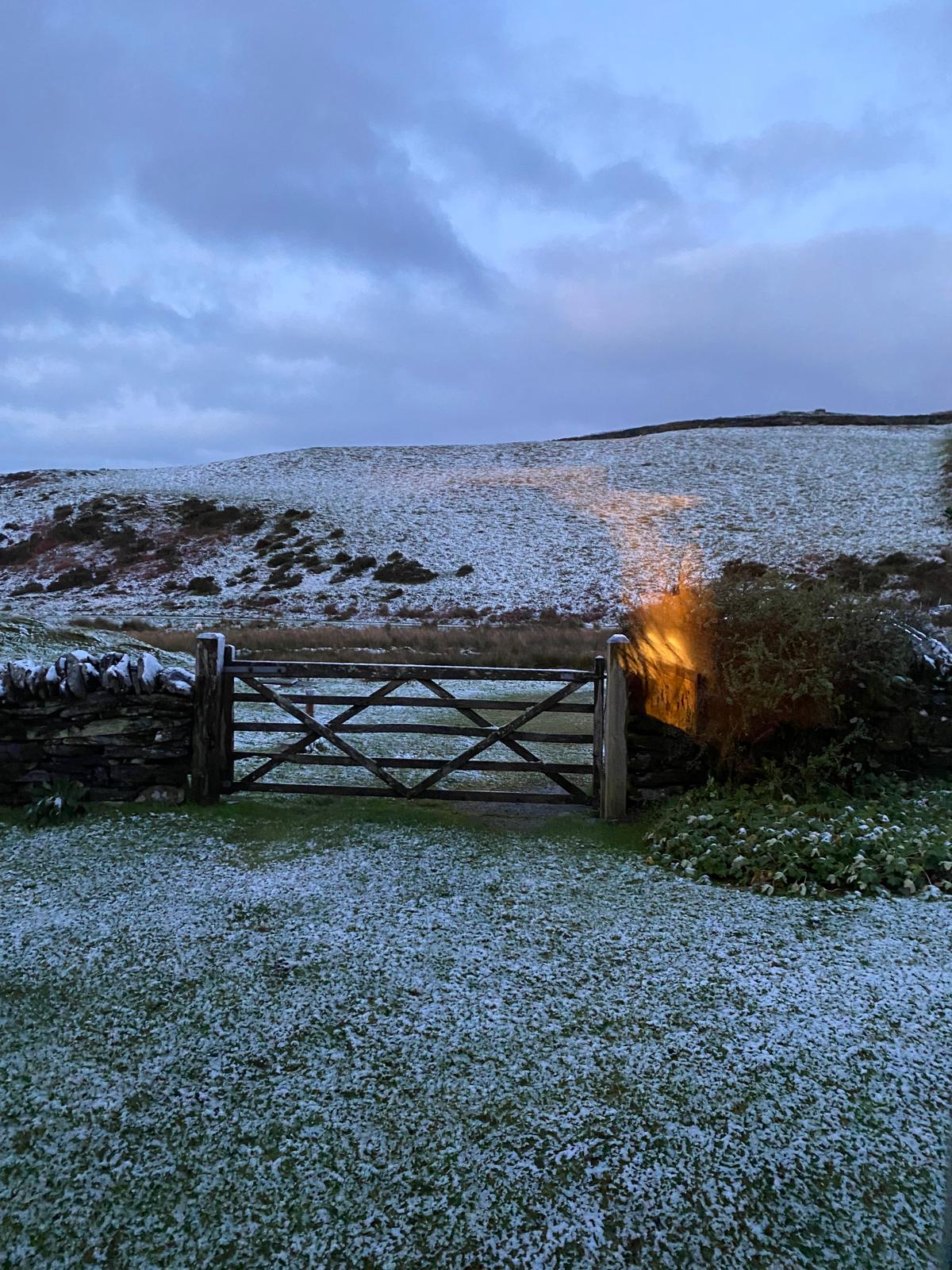
Will write again next week after my first supervision when hopefully I will once again be able to speak in words. In the meantime I’m not going to bang on about ICE or Trump or genocide or the climate crisis because being ill and busy makes you seriously short-sighted. Instead here’s a photo of the Polish snow (I love snow) and grumpy husband and Nolly-the- dog walking in Wells-Next-the-Sea the week before I got this lurgy, the week before my PhD first chapter wrote itself.

2025 and all that Jazz

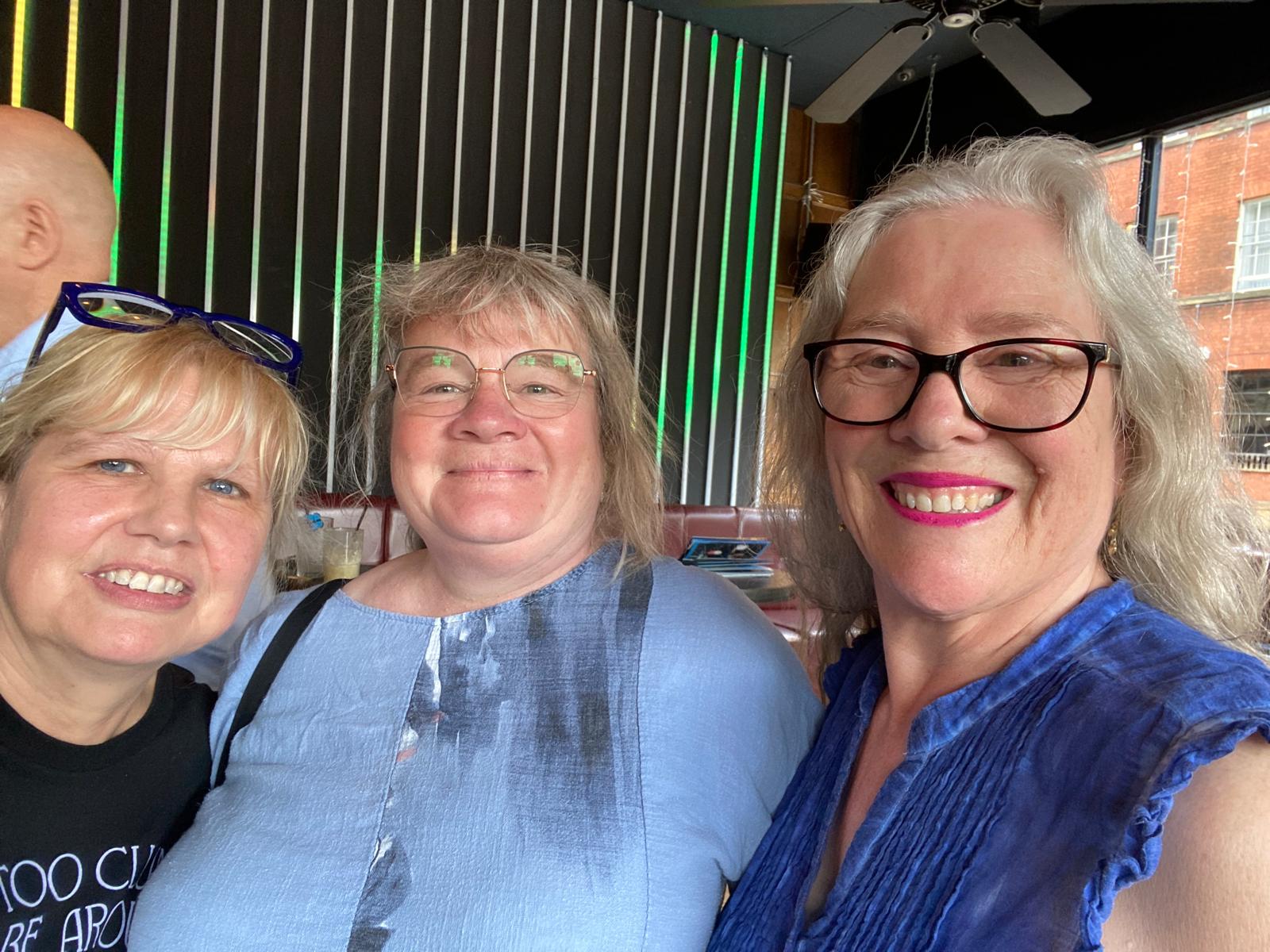
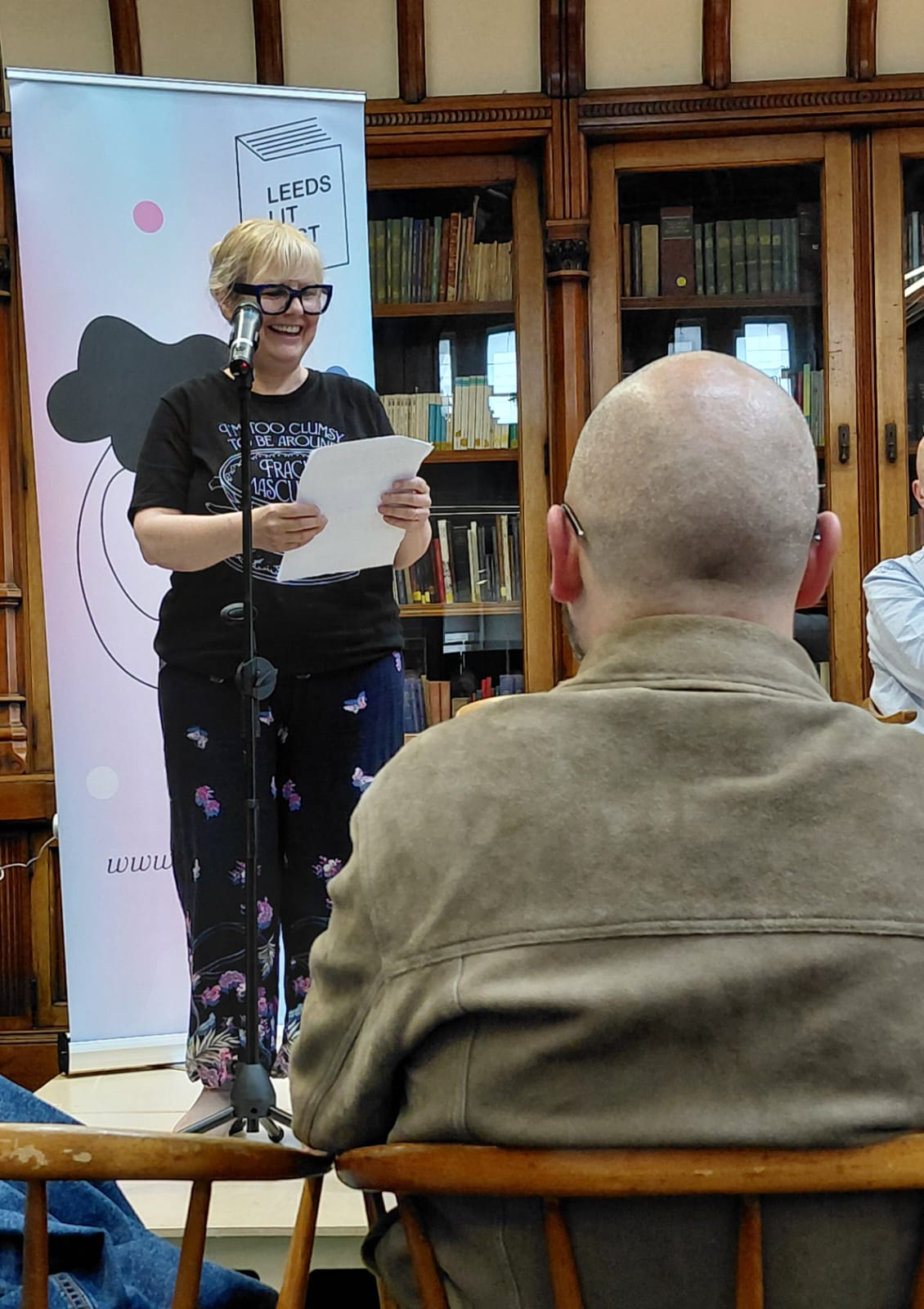
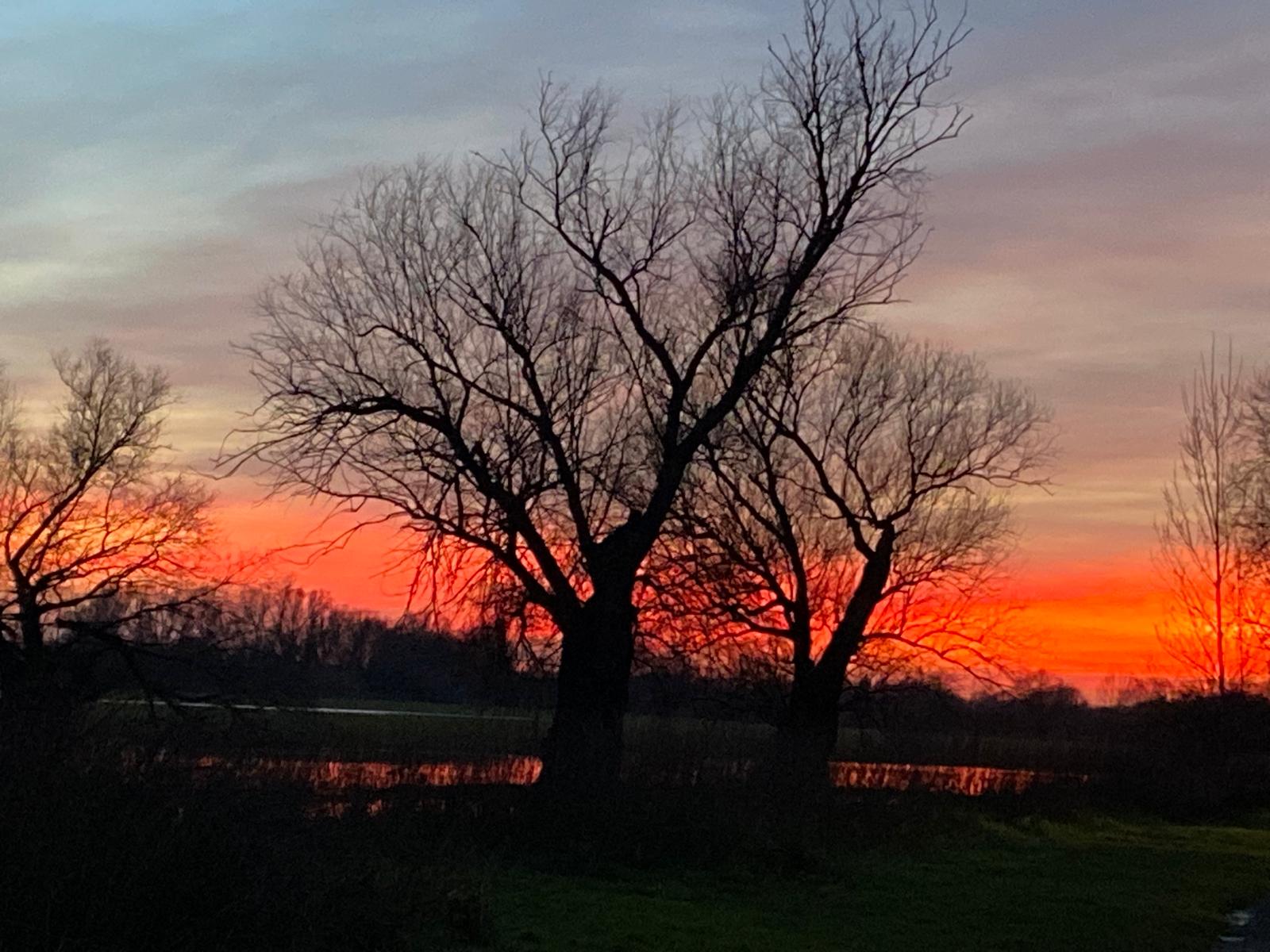
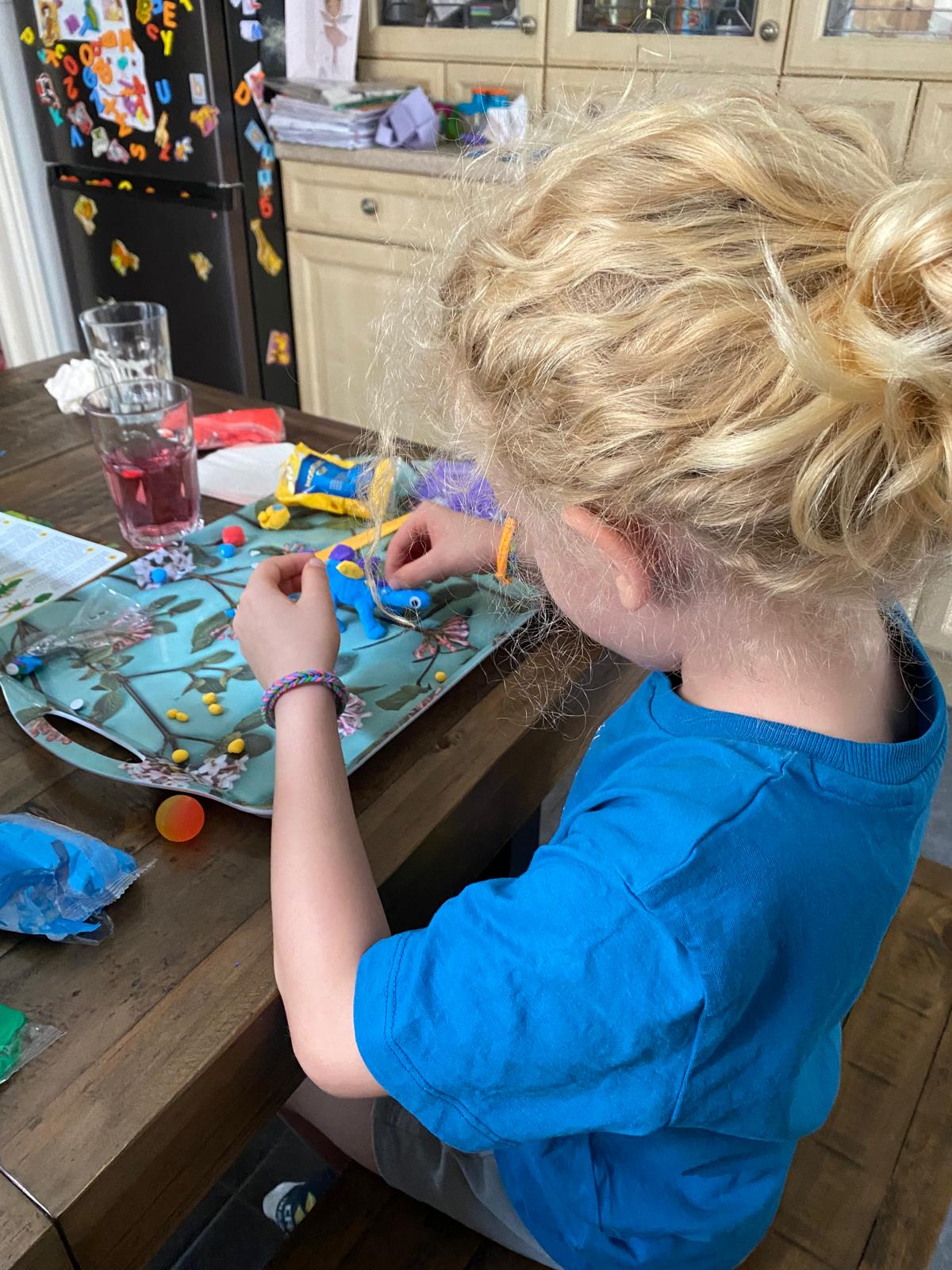
It’s been a weird year of ups and downs in these strange, unsettled and often dark times. Watching the news has been hard to stomach sometimes and writing about what’s going on, either directly or in fiction as subtext or allegory, has been hard too, and yet there have been really good times as I hope the photos below will illustrate. In 2025, I turned 60, my eldest turned 40, my youngest, 25; I went to Poland 5 times, had my 3rd book published, wrote (as yet unfinished) long stuff instead of flash fiction, read at several events including at Halloween, went to some fabulous concerts including Max Richter’s brilliant Sleep at Ally Pally with Harry, saw The Snowman at the Peacock Theatre, had a brill holiday in Pembrokeshire curtesy of bessie mate Clarey Fairy, stayed up a snowy mountain with grumpy husband, attended a wonderful wedding, grew some gorgeous flowers, did cartoons of grandpeeps and loads of crafts with them, watched my youngest son fight in the ring, met a constellation of stellar authors, had two sleeps at Gladstone Library, saw wonderful dawns and sunsets, went to Bat out of Hell the Musical with my Sis and walked up Winter Hill, saw my pup Nolly turn 4, had big fun at the Flash Festival and applied to do a PhD at York St John (more about this in the new year). The non-chronological montage of moments below is by way of documentation and also farewell to the year. Thanks for the memories 2025, but to say I’m looking forward to 2026 and all the writerly challenges it will bring is a wee bit of an understatement, and now we’re past the solstice, it seems like a good time to say farewell. So happy holidays blogosphere peeps. Hope the holidays bring some joy – and see you soon for a brand new start in a couple of weeks.

Launched

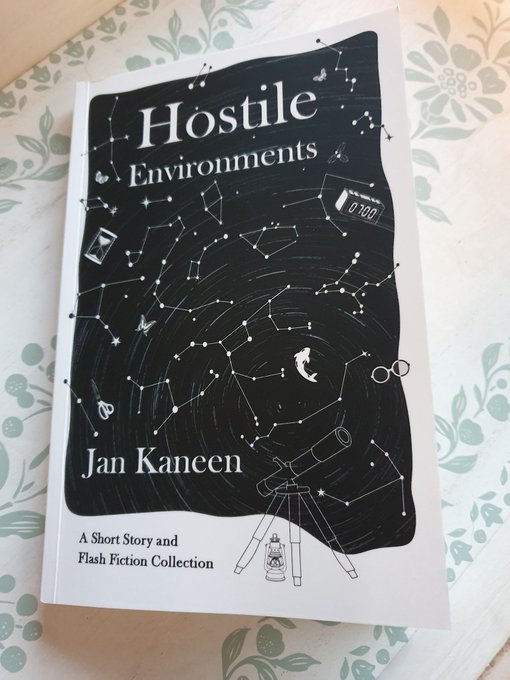
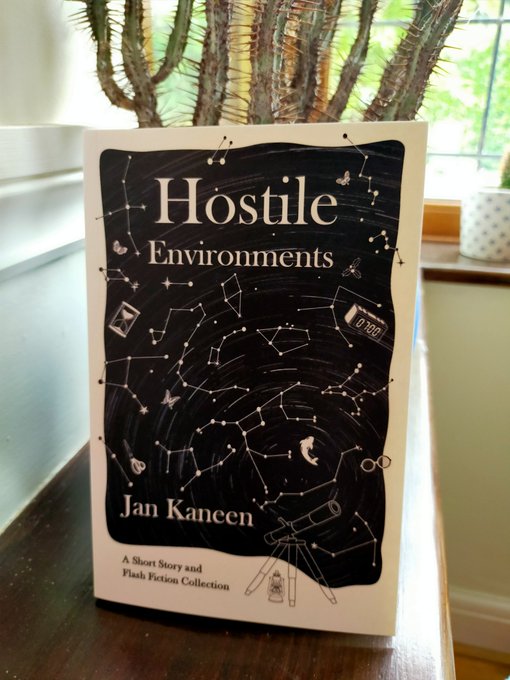
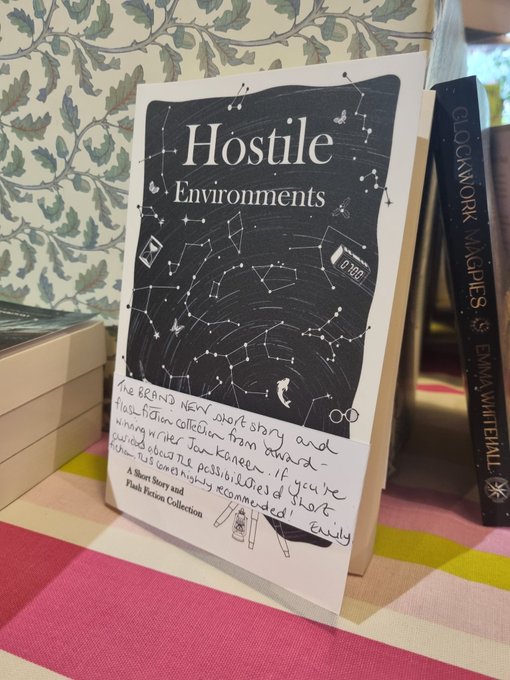
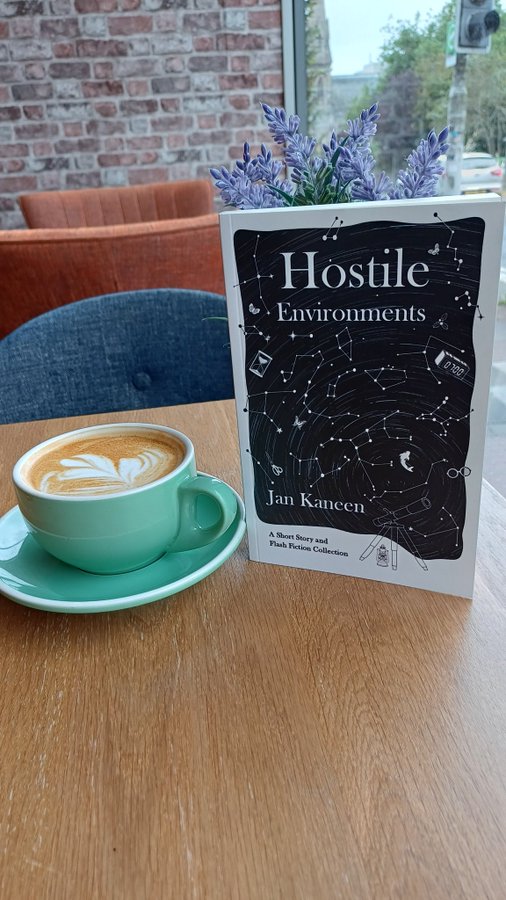
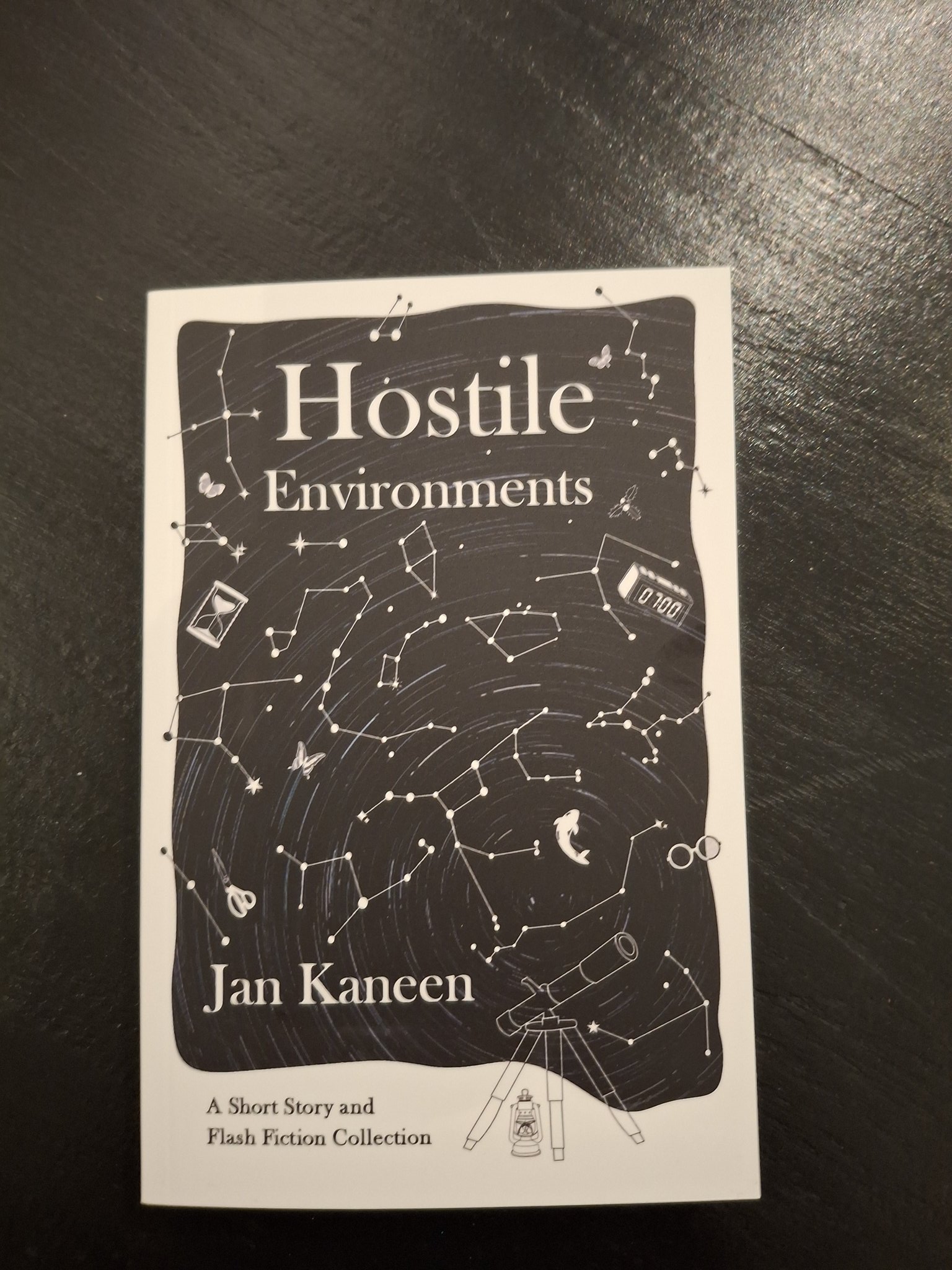
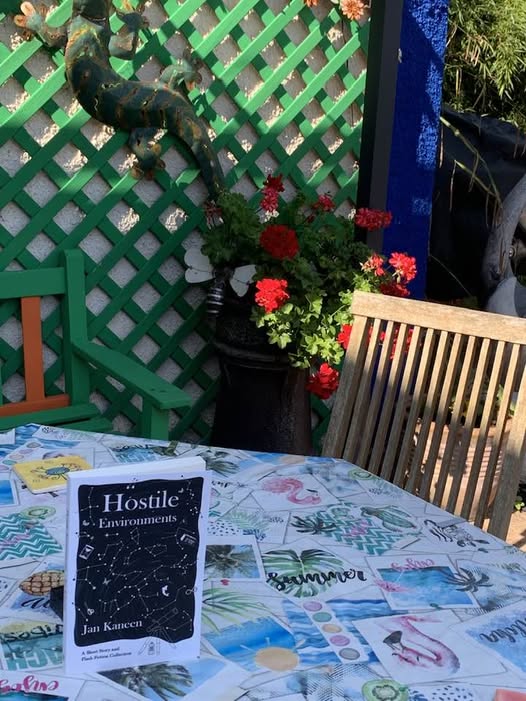
Had a wonderful night on Thursday at the launch of Hostile Environments and have been so thrilled so see copies winging into the world. Above are some that have found their forever homes and/or a place in the best bookshop ever. One is on Northodox’s ‘for sale’ table at the fabulous northern indie that is The Grove Bookshop in Ilkley. Northodox are this month’s indie publisher of the month at The Grove and so have a promotional table there during August which is full of amazing Northodoxian Books. And I’m very happy to report that Hostile Environments has sold out it’s first order there. Thanks so much to everyone who posted photos of their copies including The Grove, who you can read more about by following the link to their website, here: https://www.grovebookshop.com/
And I’m very happy to see from the flowers in some of the photos, that there’s several potential contenders for plant of the day – though I’m not expert enough to be able to identify them all. This being the case, I’m going to nominate the fern in the last photo which I do recognise. I love a fern and grow several myself. They provide lush green backdrops for the bursts of colour provided by petunias and nasturtiums in the flower bad outside my writing shed, but they’ve struggled this super dry, hot summer and needed a bit of additional TLC. But their time is coming, and soon it will be September – cooler shadier days that they much prefer, and even in winter when everything has died back they still make the garden feel alive with their feathery fronds and fractal shapes. Hoping it will be the same for my newly born book which houses several dark and weird stories very well suited to drawing-in evenings and nights by the fire. Going to be doing some spooky season readings in the coming months to help promote Hostile Environments and though the launch is now in the balmy past, the book’s future is only just beginning – which feels really exciting, more of which next time when I should also have good news about the PhD project I’ve been banging on about in previous posts. Safe to say it’s been quite the week in the writing shed, one that I’ll remember for the rest of forever. Thanks for sharing it with me blog buddies. Wouldn’t have been the same without you and if you fancy getting a copy of Hostile Environments either in paperback or as an e-book, here’s the links: https://www.northodox.co.uk/product-page/hostile-environments-paperback https://www.northodox.co.uk/product-page/hostile-environment-ebook

Hostile Environments – the launch

It’s day 7 of my week of blogging to celebrate the publication of Hostile Environments and today I’m mostly promoting the on-line Zoom launch which will be on Thursday night between 7 and 8pm UK time. I’ll put a link to the Eventbrite page where you can book tickets at the end of this blog. It’s free but you do have to book.

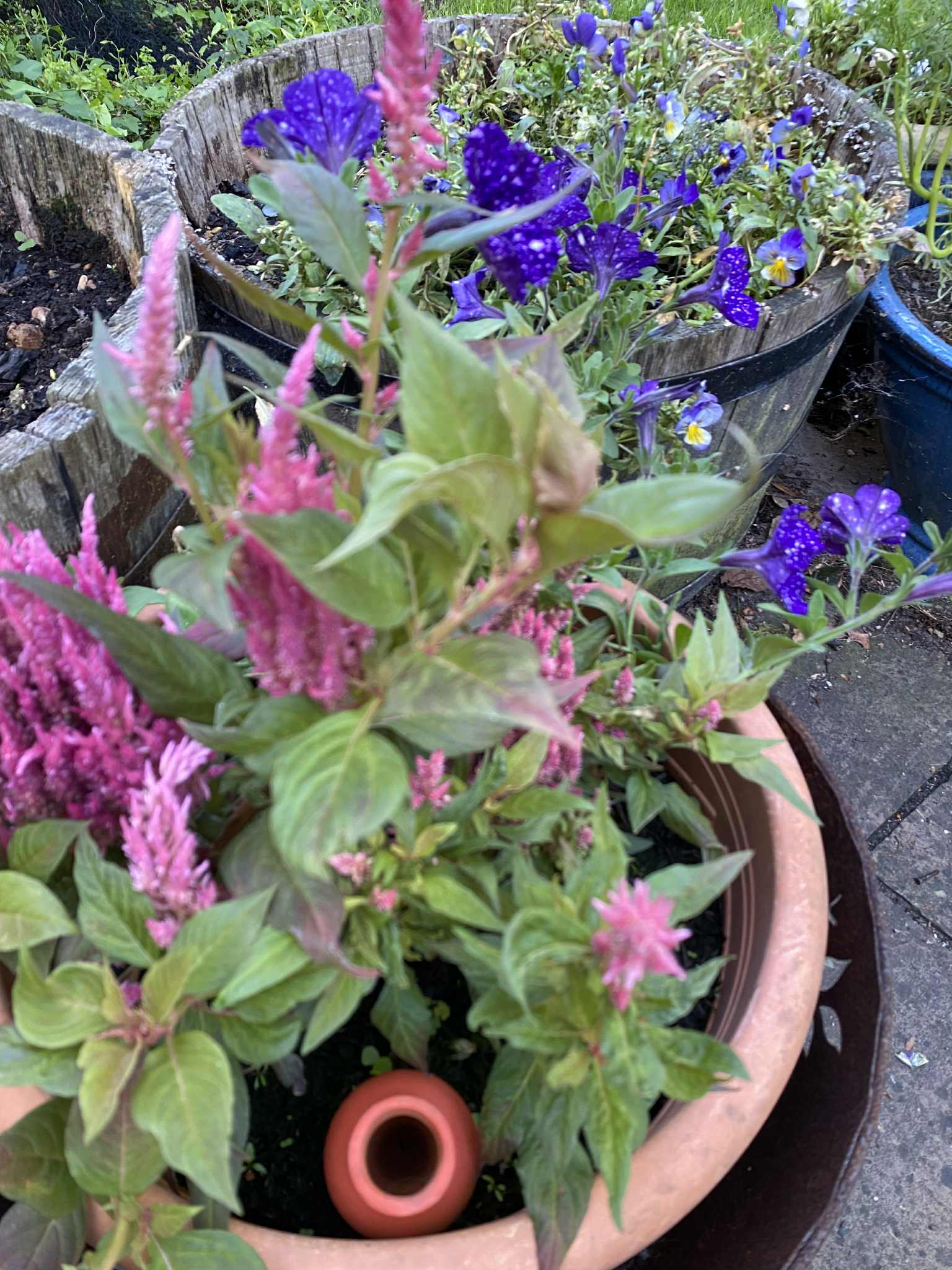
But first – plant of the day – Celosia argentea or plumed cockscomb, or silver cock’s comb, or Lagos spinach. I bought this one (pictured here) from Aldi when I was doing a shop earlier in the year. It was sitting outside in that heatwave we had in spring, looking almost dead and I felt sorry for it, so, not knowing what it was I bought it and brought it home, watered it and it grew and grew. I had no idea what it was but it’s easy to identify and turns out it’s considered an invasive weed in parts of India and china and is grown as a beloved veggie in west Africa where it’s served as boiled greens. It thrives in hot sun (if watered adequately) and is easy to grow – just the sort of plant I like then and perfect for my potager’s garden. I think I will always grow it from now onwards – for the gorgeous brightly coloured grassy flower heads, which are soooo lovely as much as for the leaves which do taste very like spinach. It’s a win win win plant – lovely to look at, great to eat and easy to grow. Wish writing stories came so easily. It’s funny because quite often folks are surprised that writing a teeny flash can take such a long time. To be fair, in my life BCW (before creative writing) I too, thought authors just sat down and wrote and there it was finished. I had no idea that writing was re-writing, editing, experimenting with what you’ve got, leaving everything alone to settle in a drawer, coming back to what you’ve written some time later, then maybe repeating that process all over again, and again, and maybe even again.

Mark Twain got it right – he once wrote to a friend, sorry about the long long letter but I didn’t have time to write a short one. And then sometimes stories do just pop out ready formed – you put pen to paper and ta-dah – a flash. For me this is very rare though because I like to experiment and pare things down, to do an Ursula Le Guin i.e. cut down the word count of a story by half – a really fab exercise to do – why not give it a go? It’s amazing when you do it for the first time, you learn a lot about editing, crafting and your own style of writing. Reet going to finish there today because you know – brevity. Will write more about the PhD application later in the week but in the meantime, here is the link for the launch on Thursday where I’ll be doing readings, a lighthearted generating writing ideas ten minutes, and answering questions from Northodox Press. Bring a brew or some fizz or whatever you fancy and spend an hour in cyberspace talking Hostile Environments. https://www.eventbrite.co.uk/e/hostile-environments-book-launch-tickets-1480973193689?msockid=1f3453cc4e1460930acc46d94f126195

A Rose by Any Other Name

Been trying to identify the name of this compact little climbing rose that’s lived in my garden since before I lived here as it is day six’s plant of the day. Have used three different apps that have so far matched it to (5 different) leaves and flower heads that simply do not conform to what it is, so for now, until someone gives me better info, going to just call it a rose.

Whatever its Latin name might prove to be, it’s defo a hardy specimen. We had the garden landscaped about a decade ago and moved this rose from the bottom to the middle lawn and it took the upheaval in its stride, which is another reason, in addition to: its beauty, its thin, fragile fragrance and the way the petals cluster so thickly that the rose heads are almost like huge buds even when they’re full grown, why I love it so much. It’s not a typical looking rose so I’m glad I’ve got the picture to show you what it really looks like. Without the picture maybe the default setting rose image that might pop into your head would be bigger or more open? Words are weird like that – they signify a thing that we all agree on but leave loads of room for error/difference. I.e. when someone says pig we all think of a pig – but then maybe my default setting pig is different to yours. Maybe the first image that pops into my head when someone says pig is a pygmy Japanese pot bellied pig – and maybe yours is a Gloucester Old Spot, or maybe its Peppa, or Babe. Which just goes to show, that words at once signify something in common but also have loads of margin for non-overlap – which is what makes them so interesting, especially for a writer of flash. That’s kinda what I was going to go on to say at the end of yesterday’s blog before Harry unexpectedly rocked up – about exciting and unexpected effects in writing which can result from wide spans in agreed meanings. Words can at once share and befuddle, or at least mean more than one specific thing to different people which is what, hopefully, I will be looking at when I do my PhD. (Yeay I got there eventually – took a week but you know – steady pace wins the race). It’s by no means a done deal yet, but I’ve put in an initial proposal to York St John to write a horror novella-in-flash as the creative part of a PhD by Creative Practice with a critical commentary, working title Off the Page and Between the Lines – a critical investigation into blank space, internal endings, pause and stasis in writing a horror novella-in-flash. Will write more tomorrow explaining how resonant word meanings fit into all this empty space – but just going to leave that there for now, because you know – white space is important and it doesn’t often get foregrounded. Before then though, here is me reading a story on the BBC last week called A Fairy-tale Ending (from my new collection Hostile Environments). This story depends on loads of breaks and spaces and silences to help with the moving on of vast swathes of narrative time – as I hope you will hear as you listen. I’m on at 1 hr and 21 mins

https://www.bbc.co.uk/sounds/play/m002h308?fbclid=IwY2xjawMFur1leHRuA2FlbQIxMQBicmlkETFMeTRrYU5wOWRMT2ZIbDVoAR7DgvSJnB1zkEpA_-I_lrR-6Gth8013zxSRkdGKS2sPyLsh8ClqD_vG2mi32w_aem_eGclAHX5MC3fbfWtpYxqeQ

When Shape and Blank Space are Storytelling Too

Day three of my week of blogs then to celebrate publication day for Hostile Environments (tomorrow) and today’s plant of the day is the globe courgette which you can see growing here in a pot on me patio outside the writing shed. I’ve never grown a cucurbit in a pot before – they usually go into the ground in beds as they get so big, and I’ve never grown globe courgettes before this year at all. Never saw one before this year in fact, and now they seem to be everywhere – happen someone hybridised them last summer and are knocking the seeds out cheap. The cucurbit family which includes pumpkins, cucumbers, melons and all manner of gourds is very easy to hybridise – in fact if you gather then keep the seeds from year to year, you never know what you’ll get the following summer. They have male and female flowers that are fertilised by flies that spread the pollen. No fertilisation and the fruits just stay small and drop off, fertilised and they swell into whatever. I planted these globe courgettes in a pot because I forgot to label them as seeds in the greenhouse and wasn’t sure what fruit they would yield until they started to appear and was pleasantly surprised when they became these lovely shiny deep green beauties. They are very good for stuffing and roasting – even the skin in crispy delicious done in the air fryer. What I didn’t expect when growing them, was the early advent of the wee cyclamen underneath. These gorgeous pinky petals usually only poke through much later in the year, bringing showers of pink and red and white to garden as the days start to darken. I’m thinking maybe the shadow cast by the huge green zucchini leaves tricked them into thinking it’s October and so out they popped – and they look so lovely there like a younger, sibling basking in the protective shade of their older sister – which lead me to thinking, on this book-publication-day eve, how stories can change depending on where they are placed inside a book and how they are set on the page. Flash fiction of all the prose forms is the one most aware of how it exists as a form or a shape I reckon. Not always though – sometimes a great flash is a great story written in the (brief) form of a story with a beginning, a middle and an end (in that order). But so often it’s not. So often flash sits on the page aware of the page – like a poem does, making its shape part of the story telling even. In recent times this sort of flash has been called hermit crab flash because – well you can see why – because hermit crabs borrow their shells – but I like the term hybrid flash better because quite often non-conformist flash fictions don’t borrow a shape , they are the shape. The storytelling, the beating heart of the story – its life and soul comes from the shape – it’s not an afterthought or tacked on afterwards. Here’s one of my flash fictions that does what I just described. How it sits on the page, the blank spaces in between the words even, the pause and moments of quiet, the emptiness are all part of the intrinsic storytelling. And so too is the juxtaposition of the form and story which at once jar against each other and meld together – a bit like the lovely cyclamen and the huge courgettes – strange but satisfying flower bed fellows. But before you read it – I just remembered that, yet again I’ve not mentioned that bloody PhD application thang I’ve been banging on about for three days now. Tomorrow it will have to be…

How To Keep The Hunger At Bay

By Jan Kaneen

  1. Preheat oven to 180 degrees then go pick apples. In the wet’s best, on the darkest day of autumn, when everything smells of mold and mushrooms and the garden looks like rust and cinders. But don’t let the fruit ruin waiting for perfection.
  2. Stand under gnarled branches catching raindrops, marveling at how young the skin on your palm looks, not like the windfallen wrinkles everywhere else.
  3. Place apples in appropriate receptacle. I use a trug made from sheets of birch. It’s got a long flat bottom so the apples lie side-by-side without bruising when I hurry down garden to get out of the weather.
  4. Wipe fruit carefully so skins shine like wintery cheeks, like Georgy’s used to when he came inside for a warm on snowy days and the stove was lit.
  5. Don’t peel. A little skin will give the edges a ruddy tinge, and anyway, it’s good for you – full of roughage and it makes your hair curl – least that’s what I always told him when he used to pull his face.
  6. Slice into cored crescents that look like rose petals and place into buttered tart dish. I arrange mine in circular swirls that coil inward and make a pattern that looks like forever.
  7. Make caramel by heating butter and sugar. Most recipes say not to stir but I do because that’s the bit he loved best – standing on his three-legged stool at the cooker in his Winnie-the-Pooh apron, watching the crystals dissolve into liquid gold, like alchemy.
  8. Add four pinches of cinnamon. One for mummy, one for daddy and two for Georgy, then a squeeze of lemon. An edge of sharpness is necessary to cut through the syrup.
  9. Pour over apples then take block of shop-bought pastry from fridge. This is a matter of preference of course, so feel free to adapt to personal circumstance, but forty-odd years of following this recipe has taught me life’s too short for homemade rough-puff.
  10. Roll thin and place on top of apples, tucking in edges like a child’s blanket, then bake for fifty minutes.
  11. As scent of caramelized apples creeps like yesterday into warm kitchen, pour a glass of something lovely and remember – when you planted the sapling a lifetime ago, when it meant nothing and you were so impossibly numb-and-sensitive-at-the-same-time you couldn’t feel anything though everything still managed to hurt – opening your eyes, birdsong, hearing your own name… and a year later when you finally scattered ashes round the reedy stem… and the year after that, harvesting the first crop.
  12. Smile or cry. It doesn’t matter which.
  13. Take tart from oven and cool, but not too much. Grief, hope, love, remembrance – all are dishes best served warm.
  14. Eat as many slices as you need, savouring every last bitter-sweet mouthful until you’re so tip-top full to the brim you think you’ll never be able to manage another bite.
  15. Take another bite.

Weeks Like These…

…don’t come along very often for writers of strange, surreal, non-conventional and not all that commercial fiction. That is to say weeks in which your third book is published, so going to blog every day till Sunday, by way of celebration.

Been thinking about the industry that is publishing a lot in the run up to Thursday (launch day for Hostile Environments) – and its a weird old business I reckon. Though I’m on my third book, I’ve not got an agent and to be fair I’ve never really tried to get one other than via entering stories into comps that agents might see. And the longer my agentless status has gone on, the more I’ve become totally fine about it because at the end of the day I don’t write to eat. If I did it might be different but I started writing 10 years ago to sort my head out and see if I could. And it really worked for me and my mental health which has made me super grateful and I find it proper strange that so many people in this weird society we live in, want to monetise everything, even creativity. It’s like nothing has a purpose without the wonga it generates, and loads of people I know quite well still ask how much I earn/expect to earn from my writing, what I’ve sold, what I’ve won prize-money wise. And I’m not gunna lie – when I first started writing, the prize winning was great fun, and vindication too – but the longer I’ve gone on, the more I just like winning to get my work read, not necessarily sold (though all prize money is very gratefully accepted). My new collection of dark short stories and flash fictions is never going to sell a million copies. There I’ve said it. It’s short fiction, and weird, unconventional short fiction at that. Agents always seem to want to know when they’re asking for pitches, where books would sit in bookshops and which best sellers they’re most like. Strange that something new and entirely different is never wanted. Not at first. I have no idea where Hostile Environments would sit on a book shelf in Waterstones other than in the short story or flash fiction section. Or maybe on a table with other titles by indie publishers. When my publisher, Northodox decided to publish my book, they knew they would not be retiring on the proceeds. They took it on because my words spoke to them, because they loved my stories and wanted to get them read. And that’ll do for me. I want to get my stories read too. In fact its super important to me that they do get read, because I don’t really think a story’s finished till its been shared with other minds. Flash fiction demands a lot of its readers – with its concision, brevity and implication. Flash readers have to really lean in and join metaphorical dots – so much so, a well crafted flash can mean one thing to one reader and something totally different to another, and it’s that meeting of minds that I love about being a writer of it. So you see unread flash fiction really is unfinished flash fiction to my way of thinking.

Also. This. Imagine that in 100 years someone finds one of my books in a charity shop book sale say, or cyber-mines it from a long dead website, or digs one up from a ruined library in the aftermath of a war we have not yet foreseen – and they read one of my stories and it fires their neurones and their brains spring into action making synaptic leaps and other connections – and though I will be long dead and my atoms will be scattered, my mind will have connected with another human being over swathes of time and from beyond the grave, just because I wrote some stories and Northodox had the presence of mind to publish them in print and digitally. People think quantum entanglement is mind-blowingly weird and wonderful – but so is reading and writing -i t’s sorcery, and time-travel and telepathy all at the same time.

Anyhoo, back on planet earth, last week, I did an interview with the folk at Northodox about writing and creating. Here’s the link if you fancy having a read https://www.northodox.co.uk/post/author-interview-jan-kaneen and if you do feel moved to pre order a copy of Hostile Environments all the deets are there.

But in the meantime, here’s me doing a reading of one of my flashes that I just recorded especially for this blog. It’s not from Hostile Environments as I explain on the vid, but as I’m going to post every day this week, thought I’d release some of my stranger flash fictions into the wild too. Here’s the link to where it appears online as text ,if you prefer https://theshortstory.co.uk/words-and-sayings-by-jan-kaneen/ and below is my recording which carries a trigger warning with ref to toxic societal gender assumptions and uses sayings that would cause offence in their usual contexts, but hopefully not in this one, though they might well still be shocking. Reet that’s it for Monday. See you tomorrow when I will talk about the new project I have started to pursue – applying to York St John to do a creative writing PhD. Until tomorrow then. Oh yes and If you were wondering about the pot of flowers at the start of this post. Going to do a ‘flower of the day’ each day here too. I love growing flowers and veggies as well as stories and today I’m celebrating teeny lobelia and how though they might be small, they bring humongous joy.